
2026 Top Legal Alternatives to Drone Jamming for Buyers

Drone Jamming can sound like a direct fix for unwanted drones, but interference may create new safety and compliance risks. Buyers need options that fit their site, threat level, and local rules. The practical question is not simply how to stop a drone. It is how to detect, assess, and manage an incident without disrupting nearby aircraft or communications.

Security technologist Bruce Schneier has said, “Security is a process, not a product.” That principle applies here. A rooftop sensor, trained staff member, and clear escalation plan may be more useful than a powerful device used without context. Some sites may also consider compliant detection systems, physical safeguards, or coordination with authorized aviation and security officials. Requirements vary by location, so buyers should verify current rules with qualified counsel and relevant authorities.

Details matter. Can the system distinguish a drone from birds near a loading bay? Who reviews an alert at 2 a.m.? What happens when a camera loses visibility in rain? Small questions. They expose real gaps.

This guide compares legal alternatives to Drone Jamming for buyers evaluating detection, deterrence, and response. It focuses on practical trade-offs, documentation, and vendor claims that deserve scrutiny. No tool removes every risk. And a polished product sheet is not proof of performance. Some recommendations may need revisiting as regulations and technology change.
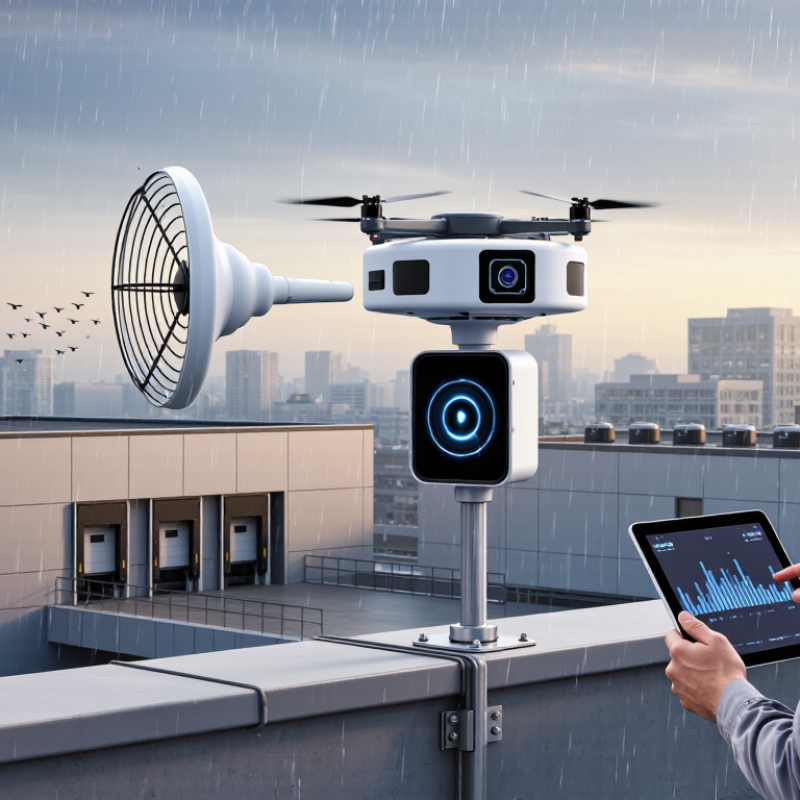
2026 Top Legal Alternatives to Drone Jamming for Buyers

Understanding Drone Jamming Laws and Buyer Requirements in 2026

In 2026, buyers should treat drone jamming as a legal-risk issue, not a routine security feature. Transmitting interference can disrupt navigation, emergency communications, and other nearby devices. Rules vary by country and location, and permissions may be limited to specific authorities. A vendor’s claim of “compliance” is not a substitute for written approval from the relevant regulator.

Start by defining the site’s real need: early warning, identification, or protection of a restricted area. A detection system may combine radio-frequency monitoring, radar, and camera verification. Ask what it can detect, how often alerts are reviewed, and whether it records time-stamped evidence. Check data retention, privacy controls, cybersecurity, and integration with existing procedures. Test it at the actual site; buildings and weather can affect performance. Small details matter.

Buyers should also request a clear escalation plan. Who receives an alert at 2 a.m.? Who contacts local authorities, and how quickly? Confirm training, maintenance, false-alarm handling, and support after installation. Get legal and technical review before purchase, especially near airports or public infrastructure. I would not assume one system fits every site. That assumption is easy to make, and hard to undo.

Assessing Drone Risks and Site-Specific Security Needs

Drone risk is not the same at every site. A hospital helipad, a warehouse yard, and a rural event space face different exposure, flight patterns, and safety concerns. Start with a site walk: note public access points, rooflines, nearby roads, and areas where staff cannot easily see approaching aircraft. Ask what matters most, such as protecting people, sensitive equipment, or private operations. Keep a written record of incidents and near misses. Small details matter.

Choose lawful measures that match the risk. Trained staff can use visual observation and approved detection systems, while clear reporting procedures help teams respond consistently. Protect sensitive areas with access controls, covered work zones, and sensible scheduling where practical. Set a contact path for local aviation or public-safety authorities, and check applicable rules before collecting or sharing imagery. Privacy matters too.

A plan can look tidy on paper and still fail during a busy shift. Test it with a short exercise: who notices the aircraft, who alerts the site lead, and where do people move? Review false alarms and staff feedback, not just confirmed sightings. No single tool fits every property. Reassess after construction, public events, or changes in nearby flight activity, and seek qualified security advice when the consequences could be serious.

Comparing Legal Drone Detection and Identification Systems

Comparing legal drone detection and identification systems begins with a basic distinction: detection means something is present; identification helps explain what it is. The FAA’s 2024–2044 Aerospace Forecast estimated about 1.8 million recreational small drones in the U.S. fleet in 2023. That scale makes layered monitoring useful, but it does not make every alert a security incident. Context matters.

Remote ID receivers can read compatible broadcast information, such as a drone’s identification and location. The FAA’s Remote ID rule took effect in 2023, making this a practical starting point for authorized site operators. Radio-frequency sensors may detect communication signals, while radar can identify some aircraft without relying on those broadcasts. Each has limits: buildings can block signals, and birds or nearby equipment may trigger confusing returns. That distinction matters.

Buyers should compare detection range, coverage maps, alert latency, data retention, and integration with existing security systems. Ask vendors to demonstrate performance around actual buildings, not only in open fields. Also confirm how the system handles missing or inconsistent identification data. A detection is not proof of intent. No setup is perfect; even a well-tested system may leave gaps, and operators should document how staff verify alerts before acting.

Evaluating Lawful Mitigation Options and Authorized Response Plans

Legal alternatives to drone jamming begin with reliable detection and a clear escalation path. The FAA’s UAS Sightings Reports note more than 100 drone sighting reports near U.S. airports in many months. That figure reflects reports, not confirmed threats. Buyers should compare detection tools by coverage, weather performance, false alarms, and recordkeeping. A layered setup may combine remote identification monitoring with radar or visual confirmation. Keep the process simple. A trained staff member should verify alerts, record time and location, and notify the designated aviation or public-safety authority.

An authorized response plan should name decision-makers, define site boundaries, and set safe actions for staff and visitors. Options may include pausing outdoor activities, moving people indoors, protecting sensitive areas with approved physical barriers, and preserving sensor logs for investigators. Confirm local rules with qualified counsel and relevant authorities before purchasing or deploying equipment; permissions vary by jurisdiction and setting. Do not assume that detecting a drone grants authority to interfere with it. One weakness deserves attention: a detection system can produce alerts without explaining intent. Practice realistic scenarios, including false alarms, and review each response afterward. Imperfect records can still reveal where procedures need work.

Selecting Vendors, Verifying Compliance, and Planning Ongoing Support

For buyers considering legal alternatives to drone jamming, vendor selection should begin with clear operational needs. Ask whether a provider offers passive detection, trained visual monitoring, or site procedures for reporting an unexpected aircraft. Request documented test results, realistic detection limits, and a sample incident log. A polished demonstration is useful, but it cannot replace evidence from a setting similar to yours.

Tips: Check applicable aviation, privacy, and data-retention rules before signing. Ask who can access recordings, how long they are kept, and how alerts reach your team. Get support hours and response targets in writing. Small details matter.

Verify compliance with qualified legal or aviation advisers in each operating location; requirements can differ. Confirm that equipment and staff training match the stated use, and ask vendors to explain limitations plainly. Plan for maintenance, software updates, staff turnover, and periodic drills. Set a review date after the first month, then compare alerts with actual observations. A checklist may still miss a practical problem, such as poor coverage behind a warehouse wall. That is worth admitting early, and correcting through a documented site review rather than relying on stronger claims.

2026 Top Legal Alternatives to Drone Jamming for Buyers

Selecting vendors, verifying compliance, and planning ongoing support

This U.S. regulatory timeline highlights milestones buyers should consider when evaluating lawful options such as drone detection, Remote ID monitoring, geofencing, and operational or physical mitigation. Confirm which rules apply to your use case and location, and ask vendors how they support compliance updates and ongoing operations. Unauthorized radio jamming is generally prohibited under federal law.

Sources: FAA Part 107 · FAA Remote ID · FCC jammer enforcement

Scroll to Top