2026 Top VFD Control Panel Trends for Global Buyers?

As industries evolve, the demand for efficient and reliable VFD control panels continues to grow. Renowned expert in automation technology, Dr. Alice Green, stated, “The future of VFD control panels is about integration and adaptability.” This insight highlights a significant trend as global buyers seek innovative solutions.

VFD control panels enhance energy efficiency and operational flexibility. Companies are now focusing on advanced features such as IoT connectivity. This can lead to improved monitoring and real-time adjustments. However, integration challenges remain a concern. Many businesses must evaluate existing infrastructure compatibility before upgrading.

The market is witnessing a shift toward user-friendly designs. Buyers desire panels that simplify programming and troubleshooting. Despite these advancements, some users still report difficulties in adapting to new technologies. Addressing these issues will be crucial for manufacturers. The future of VFD control panels should focus on both functionality and user experience.

2026 Top VFD Control Panel Trends for Global Buyers?

Emerging Technologies in VFD Control Panels for 2026

The landscape of Variable Frequency Drive (VFD) control panels is evolving as 2026 approaches. Emerging technologies are reshaping the industry, presenting new possibilities for efficiency and control. A recent report from the International Energy Agency (IEA) highlights that VFDs can save up to 50% on energy consumption when compared to conventional systems. This transition not only reduces operational costs but also supports global sustainability goals.

Wireless technology is gaining traction in VFD control panels. It enables remote monitoring and diagnostics, providing real-time data to operators. The ability to track performance through advanced analytics can significantly reduce downtime. According to a market research report, the adoption of wireless VFDs is expected to increase by 35% in the coming years. However, challenges remain, including cybersecurity risks and the need for robust infrastructure.

Integration with artificial intelligence (AI) is another key trend. AI algorithms can optimize motor performance, adjusting speeds based on real-time conditions. This innovation could enhance operational efficiency, but implementation can be complex. A study from the International Journal of Advanced Manufacturing Technology reported that many companies face hurdles in training personnel and adapting existing systems. As the industry adopts these technologies, reflections on user experience and training will be crucial for successful transitions.

2026 Top VFD Control Panel Trends for Global Buyers

Trend Description Impact Adoption Rate
IoT Integration Enhanced real-time monitoring and data analytics capabilities. Increased efficiency and predictive maintenance. 70%
Wireless Communication Facilitates remote control and data access without wired connections. Reduced installation costs and improved accessibility. 60%
Energy Efficiency Focus on reducing energy consumption through smarter algorithms. Lower operational costs and enhanced sustainability. 75%
User-Friendly Interfaces Simplified controls and dashboards for improved user interaction. Enhanced ease of use and reduced training time. 65%
Advanced Diagnostics Integration of predictive analytics and fault detection technologies. Minimized downtime and improved reliability. 80%

Top Features to Look for in VFD Control Panels

2026 Top VFD Control Panel Trends for Global Buyers?

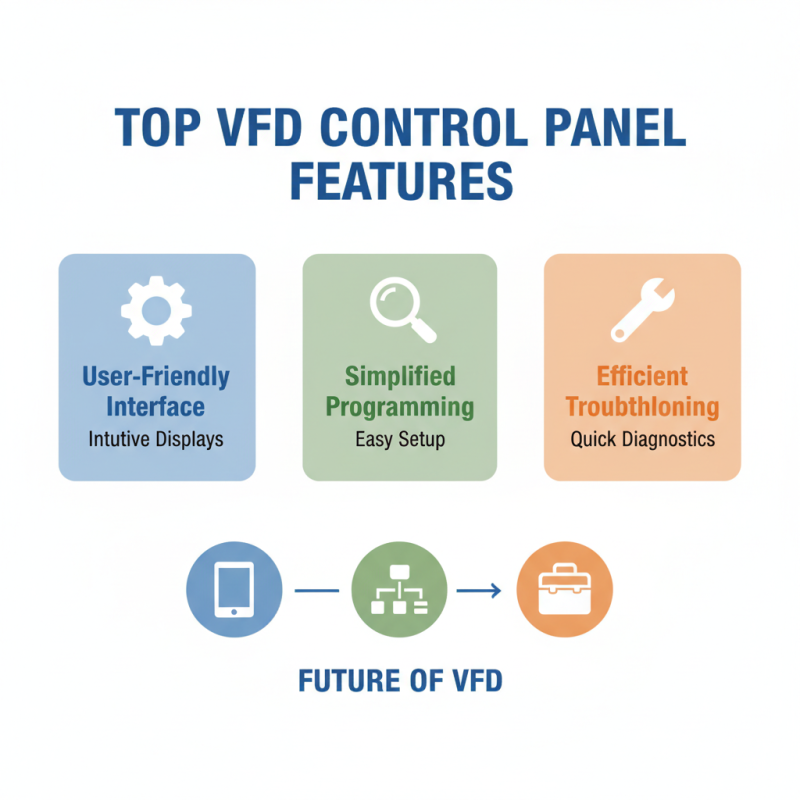
When exploring the future of Variable Frequency Drive (VFD) control panels, buyers must focus on essential features. A user-friendly interface significantly enhances operational efficiency. Look for panels equipped with intuitive displays. This can simplify programming and troubleshooting tasks.

Connectivity is another key feature. A reliable VFD control panel should support various communication protocols. This allows seamless integration with existing systems. The ability to monitor performance remotely is also crucial. It can help identify issues before they escalate.

Tips: Ensure the chosen panel has robust safety features. Overvoltage and overload protection can prevent costly damage. Regular updates and upgrades are important as technology evolves.

Another practical aspect to consider is energy efficiency. VFD control panels that minimize energy consumption contribute to sustainability efforts. Regular maintenance is important to ensure long-term reliability. Inadequate maintenance can lead to unexpected failures, potentially causing operational downtime. Emphasizing these features will not only align with current trends but also prepare buyers for future challenges.

Sustainability Trends Influencing VFD Control Panel Design

As industries evolve, sustainability is becoming a cornerstone in the design of VFD control panels. The drive for energy efficiency is pushing manufacturers to innovate. A focus on reducing carbon footprints has transformed materials and processes. Many now use eco-friendly components that are recyclable or biodegradable. This shift not only benefits the planet but also attracts environmentally conscious customers.

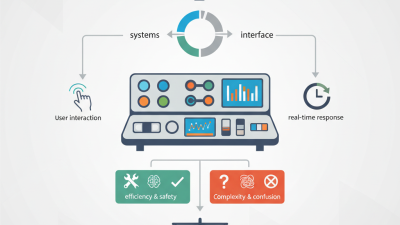
Modern VFD control panels are increasingly equipped with smart technologies. These features enhance operational energy management while minimizing waste. However, the integration of smart systems can pose challenges. Companies often struggle to balance advanced tech with user-friendliness. This is a crucial aspect to consider, as too much complexity can alienate some end-users.

In addition, there is a growing trend toward modular designs. These can easily adapt to various applications, reducing the need for entire panel replacements. Despite their advantages, modular systems can lead to higher initial costs. Buyers must weigh the long-term benefits against upfront investments. It's essential to address these nuances when discussing sustainability in VFD control panel design.

Global Market Insights: Regional Demand for VFD Control Panels

The global demand for VFD (Variable Frequency Drive) control panels is evolving. Each region has distinct needs based on industry preferences. For instance, North America shows a strong inclination towards energy efficiency. This focus drives manufacturers to innovate, improving energy-saving functionalities in their products.

In contrast, the Asia-Pacific region emphasizes integration with automation systems. Industries here are adopting smart technology rapidly. The demand for user-friendly interfaces and remote monitoring capabilities is rising. Europe showcases a unique preference for compliance with environmental standards. Eco-friendly designs are gaining traction among buyers, reflecting a commitment to sustainability.

As markets adapt, challenges remain. Manufacturers often struggle to balance innovation and cost. Additionally, global supply chain disruptions can affect product availability. Buyers may express frustration over inconsistent quality. There’s a need for better communication about product specifications and performance standards. Understanding these diverse regional demands can foster a more responsive market.

Future Innovations: Predictions for VFD Control Panel Functionality

The field of Variable Frequency Drive (VFD) control panels is evolving rapidly. By 2026, we can expect innovative functionalities that enhance efficiency and integration. Recent reports suggest that the global VFD market is projected to reach USD 20 billion by 2026, highlighting a growing demand for advanced control solutions.

Future VFD control panels may emphasize real-time monitoring. Enhanced data analytics capabilities will allow users to optimize system performance. This can reduce energy consumption by as much as 30%, according to recent studies. Emerging technologies, including IoT and AI, could play a pivotal role in improving automation levels. However, the integration of these technologies poses challenges, particularly regarding cybersecurity. Ensuring data security will be critical.

Tip: When selecting a VFD control panel, consider scalability. Choose systems that can evolve with future technologies. Ongoing training for personnel is equally important to adapt to new functionalities.

Flexibility in design is becoming essential. Customizable features can enhance user experience but may lead to complexity. Some users might find the learning curve steep when faced with new interfaces. This raises questions about the effectiveness of industry training programs. Emphasizing user-friendly designs could alleviate some of these issues.

2026 Top VFD Control Panel Trends

Scroll to Top