What is a 3 Phase Compressor Motor and How to Choose One?
Understanding the 3 Phase Compressor Motor is crucial for industrial applications. These motors are widely used in various sectors, such as refrigeration and air conditioning. A 3 Phase Compressor Motor provides efficient power delivery, reduces energy consumption, and enhances performance. Selecting the right motor can greatly impact your system's efficiency.
When considering a 3 Phase Compressor Motor, several factors must be taken into account. The motor's size, voltage, and horsepower are essential for ensuring optimal operation. It's important to reflect on your specific requirements, as not all motors fit every application. A mismatch could lead to inefficiencies or even equipment damage.
Choosing the right motor involves more than just specifications. You'll want to consider reliability and vendor reputation. Researching brands and reading reviews can guide you toward a trusted choice. Ultimately, the right 3 Phase Compressor Motor will ensure that your system operates smoothly and efficiently. This decision is crucial, yet often overlooked, demanding careful thought and attention.
What is a 3 Phase Compressor Motor?
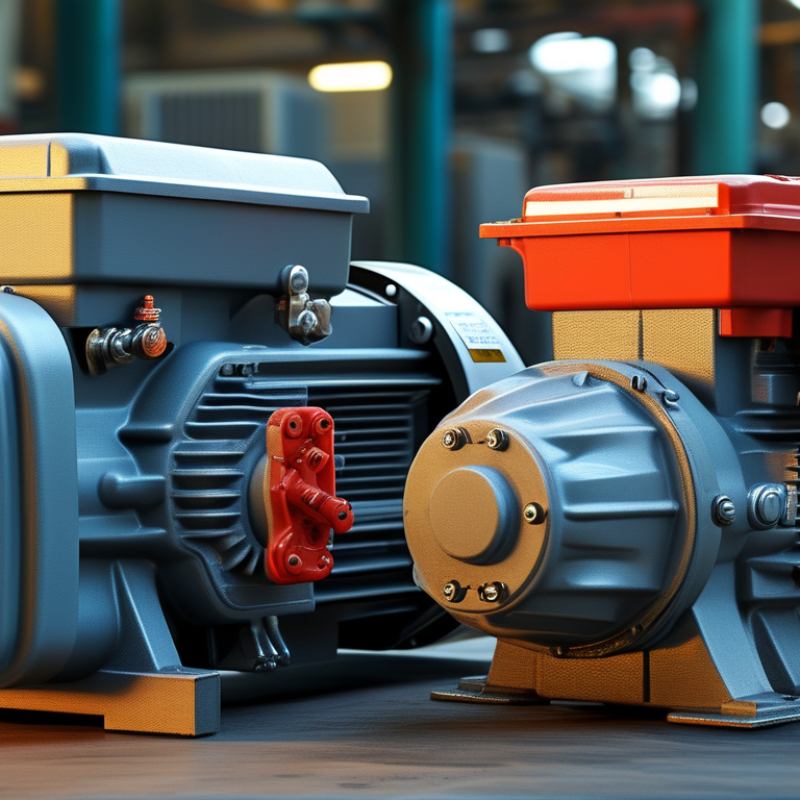
A 3 phase compressor motor is a specific type of electric motor widely used in industrial applications. It operates on three alternating currents, providing more power and efficiency than single-phase motors. Typical applications include refrigeration, air conditioning, and other heavy-duty machinery. This motor design ensures smoother operation and less vibration, enhancing the longevity of equipment.
When selecting a 3 phase compressor motor, several key factors come into play. The motor's horsepower needs to match the compressor's requirements. You must also consider the voltage and amperage; mismatches can lead to inefficiency or damage. Pay attention to the type of cooling—air or liquid. This detail affects performance and reliability in various environments. It's essential to consult technical specifications but also to weigh practical experience and user feedback in your decision-making process.
Key Features of 3 Phase Compressor Motors
3 phase compressor motors are widely used in industrial applications. They are known for their efficiency and reliability. Key features significantly influence their performance. Understanding these features helps in making informed decisions when choosing a motor.
One essential aspect is the power rating. Most 3 phase compressor motors range from 1 HP to over 500 HP. A 2022 industry report indicated that a higher power rating typically results in better performance and longevity. Efficiency ratings are also crucial. Motors that follow NEMA Premium Efficiency guidelines can reduce energy costs by 3% to 8% compared to standard motors. This efficiency can lead to significant savings over time.
Another vital feature is the insulation class. Motors with higher insulation classes can withstand higher temperatures, thus improving durability. Class F insulation can handle temperatures up to 155°C. Cooling methods also vary. Some motors use fan cooling while others are air-cooled. Selecting the right cooling method can enhance the motor's lifespan. Careful consideration of these features ensures optimal compressor performance, aligning with industrial standards.
What is a 3 Phase Compressor Motor and How to Choose One? - Key Features of 3 Phase Compressor Motors
| Feature | Description | Benefits |
| Efficiency | High efficiency ratings (up to 95%) for reduced energy consumption. | Lower electricity bills and reduced operational costs. |
| Power Rating | Available in various power ratings, from 1 HP to over 100 HP. | Versatile options for different compressor sizes and applications. |
| Durability | Designed for heavy-duty use, with robust materials and construction. | Long service life and reliability in various environments. |
| Maintenance | Low maintenance requirements and easy access to components. | Reduced downtime and lower maintenance costs. |
| Noise Level | Quieter operation compared to single-phase motors. | Improved working conditions and compliance with noise regulations. |
| Control Systems | Compatible with variable frequency drives (VFDs) for speed control. | Enhanced efficiency and flexibility in operation. |
Advantages of Using a 3 Phase Compressor Motor
A 3 Phase Compressor Motor offers significant advantages for industrial applications. One of the key benefits is efficiency. These motors typically achieve an efficiency rating of over 90%. In comparison, single-phase motors often lag behind at around 70-80%. This means lower energy costs in the long run.
Another advantage is the reduction in operational vibrations. 3 Phase motors tend to run smoother since the rotational power is more consistent. According to industry reports, consistent power delivery can reduce maintenance needs. This is crucial for companies seeking to minimize downtime.
The performance under heavy loads is another noteworthy feature. With their capability to handle higher loads without overheating, they are ideal for continuous operation. However, selecting the right motor does require careful consideration of specific needs and site conditions. Not all environments may be suitable for a 3 Phase motor. Understanding these factors can greatly enhance operational efficiency and extend the motor's lifespan.
Factors to Consider When Choosing a 3 Phase Compressor Motor
When selecting a 3 phase compressor motor, several factors must be taken into account. Efficiency is crucial. Motors with higher efficiency ratings, typically above 90%, can significantly reduce energy costs. According to the U.S. Department of Energy, energy-efficient motors can save companies thousands annually. Additionally, consider the motor's service factor. A service factor above 1.0 means the motor can handle occasional overloads, increasing reliability in demanding operations.
The power and size of the motor are also important. The total horsepower needed for the application directly impacts motor choice. Many applications require a specific RPM range, making it essential to match the motor speed with the compressor's requirements. Consulting with engineering resources can be beneficial, as they can provide insights on optimal sizing and compatibility.
Environmental factors should not be overlooked. Temperature variations and humidity levels can affect motor performance. If the motor operates in a hot or humid setting, insulation class becomes crucial. Motors designed for extreme conditions offer better durability. Overall, balancing efficiency, power, and environmental capabilities will lead to better performance in industrial applications.
Common Applications for 3 Phase Compressor Motors
Three-phase compressor motors are widely utilized in various industries. Their reliability and efficiency make them essential for many applications. Common uses include refrigeration, air conditioning, and industrial processes. In these sectors, these motors power large compressors, ensuring optimal performance.
Selecting the right three-phase compressor motor is crucial. Consider the requirements of your application. Factors such as power ratings, efficiency, and duty cycle are essential. A motor that fits your needs will enhance productivity. Overloading a motor can lead to failures and costly repairs.
Tips: Always assess the operating environment. High temperatures or humidity can affect performance. Ensure adequate cooling for longevity. Additionally, think about maintenance. Regular checks can prevent unexpected breakdowns. Evaluate the manufacturer’s reputation and service support. A trusted supplier can provide essential guidance.

