Why is the Aeration Process Crucial in Wastewater Treatment?
The Aeration Process In Wastewater Treatment plays a vital role in maintaining water quality. According to Dr. Emily Carter, a leading expert in environmental engineering, "Aeration is the heartbeat of effective wastewater treatment." This process enhances the dissolution of oxygen, which is essential for aerobic microbial activity. These microorganisms break down pollutants and organic matter, significantly reducing toxicity in treated water.
Effective aeration not only aids in removing contaminants but also promotes nutrient removal. However, challenges remain. For instance, insufficient aeration can lead to incomplete treatment. On the other hand, excessive aeration can waste energy and increase operational costs. Both scenarios highlight the need for balanced techniques in the aeration process.
Understanding the complexities of the Aeration Process in Wastewater Treatment is crucial for achieving sustainable water management. As various industries face stringent regulations, refining this process becomes more important. Continuous research is necessary to optimize aeration systems, ensuring they meet the demands of modern wastewater treatment facilities.
Importance of Aeration in Enhancing Biological Treatment Efficiency
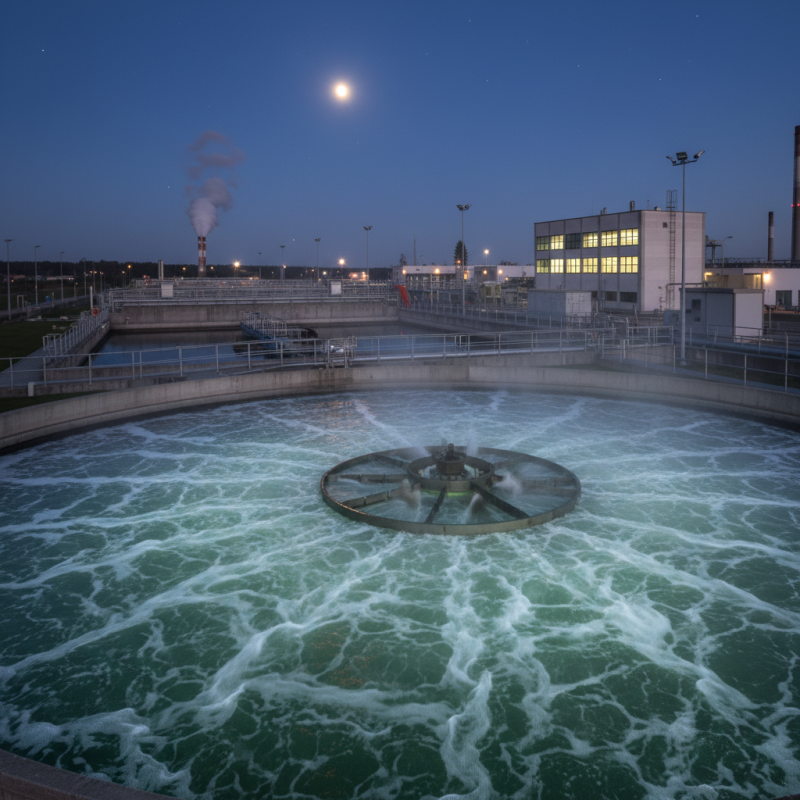
Aeration is a key step in wastewater treatment. It enhances biological treatment efficiency by supplying oxygen to microorganisms. These tiny organisms break down organic matter, making water cleaner. Without aeration, these microbes struggle to survive, slowing down the process.
Proper aeration increases the efficiency of biochemical reactions. It boosts the metabolic rate of microorganisms. A well-aerated system ensures that pollutants are effectively reduced. Think about the impact of insufficient oxygen. It can lead to longer treatment times and decreased water quality.
Tips for effective aeration include monitoring dissolved oxygen levels. Regular maintenance of aeration equipment is essential. It helps to prevent malfunctions that could disrupt the treatment process. Ensure that the aeration system is appropriately designed for the specific wastewater characteristics. Each type of wastewater may require a different aeration approach. This ensures optimal performance and environmental protection.
Why is the Aeration Process Crucial in Wastewater Treatment?
| Aspect | Description | Impact on Treatment |
| Oxygen Supply | Aeration increases dissolved oxygen levels in the wastewater. | Essential for aerobic microorganisms to thrive, enhancing organic matter breakdown. |
| Nitrogen Removal | Supports nitrification processes which convert ammonia to nitrates. | Reduces nitrogen levels, mitigating eutrophication in receiving waters. |
| Suspended Solids Removal | Aeration causes flocculation of suspended particles. | Improves sedimentation in secondary clarifiers, enhancing overall treatment efficiency. |
| Pathogen Reduction | Aerobic conditions inhibit pathogen growth. | Leads to safer effluent discharge into water bodies. |
| Energy Consumption | Aeration systems can be energy-intensive. | Monitoring and optimizing aeration can reduce operational costs. |
Aeration's Role in Preventing Anaerobic Conditions and Odor Issues
Aeration is a vital process in wastewater treatment. It introduces air into the water, promoting aerobic microbial activity. This process significantly helps prevent anaerobic conditions in wastewater treatment plants. Without aeration, organic matter breaks down anaerobically. This leads to the production of hydrogen sulfide and methane. These gases contribute to foul odors, creating issues for nearby communities.
In addition to odor control, aeration enhances the efficiency of treatment processes. Aerobic bacteria thrive in oxygen-rich environments. They break down waste much faster than their anaerobic counterparts. This faster breakdown reduces treatment time and improves water quality. However, inadequate aeration can lead to stagnant zones where odors can develop. Monitoring and adjusting aeration levels are crucial.
The design of aeration systems can vary, sometimes leading to inefficiencies. Operators must regularly assess the performance of these systems. Even small changes in demand can impact aeration effectiveness. Over time, some equipment may underperform, necessitating updates or replacements. Therefore, consistent evaluation is important to maintain optimal treatment conditions.
Impact of Aeration on Nutrient Removal in Wastewater Systems
Aeration plays a vital role in wastewater treatment, especially in nutrient removal. The process involves introducing air into the wastewater to promote aerobic microbial activity. This activity helps to break down organic matter and nutrients, particularly nitrogen and phosphorus. In fact, research shows that effective aeration can enhance nitrogen removal by up to 30% in conventional wastewater treatment facilities.
However, the aeration process is not always perfect. It requires careful control of oxygen levels to prevent inefficient operation. Over-aeration can lead to high energy costs and excessive sludging. In contrast, under-aeration may result in incomplete nutrient removal. Studies indicate that optimizing aeration can reduce energy consumption by 15-20%, demonstrating the importance of balancing efficiency with performance.
Nutrient loading in wastewater systems significantly influences treatment efficiency. High concentrations of nitrogen and phosphorus can trigger algal blooms in receiving waters. This situation exacerbates water quality problems. Continuous monitoring of nutrient levels can provide insights into the aeration process's effectiveness. Therefore, addressing these challenges is essential for sustainable wastewater management and environmental protection.
Aeration System Design: Key Parameters and Performance Metrics
Aeration plays a key role in wastewater treatment, enhancing the biological decomposition of contaminants. Proper design of the aeration system is critical for ensuring optimal performance. Several key parameters influence this design, including aeration rate, energy efficiency, and oxygen transfer efficiency. These factors dictate how effectively microorganisms can break down organic matter.
Monitoring performance metrics is vital to assess the efficiency of the aeration system. Parameters such as dissolved oxygen levels and mixed liquor suspended solids can indicate how well the process is functioning. It's not uncommon for systems to underperform due to insufficient air supply or irregular mixing patterns. Operators must regularly evaluate these metrics to make necessary adjustments.
However, designing an effective aeration system presents challenges. Balancing energy consumption and treatment efficiency can be difficult. In some instances, systems may become outdated, leading to increased costs or lower reliability. Regular assessments and updates to the aeration strategy are essential. Investing in staff training can further enhance system management and performance.
Current Trends in Aeration Technologies for Wastewater Treatment
Aeration plays a key role in wastewater treatment, providing essential oxygen to microbes. These microbes break down organic pollutants, making water cleaner. Recently, new aeration technologies have improved efficiency and reduced costs.
One current trend is the use of fine bubble aeration systems. These systems release tiny air bubbles, increasing contact area with water. They enhance oxygen transfer rates, allowing for better treatment. Another innovation is the use of energy-efficient blowers. These blowers save energy while providing adequate air supply. However, the initial investment for these technologies can be high.
Smart aeration control technologies are also emerging. They use sensors to monitor oxygen levels in real-time. This allows for automatic adjustments, optimizing energy use. Despite these advancements, some facilities struggle to implement new systems effectively. Training staff on new technologies often proves challenging. Overall, the evolution of aeration methods continues to shape the wastewater treatment landscape.
Current Trends in Aeration Technologies for Wastewater Treatment

