OCPP Smart EV Charger Benefits for Global Buyers?
In the rapidly evolving world of electric vehicle charging, the OCPP Smart EV Charger stands out. According to Maria Thompson, an industry expert at EcoCharge Solutions, "The OCPP standard is key to empowering the EV market globally." This statement highlights the importance of interoperability and flexibility in charging solutions. With the global shift towards electric mobility, understanding the benefits of OCPP Smart EV Chargers is essential for buyers worldwide.
OCPP Smart EV Chargers offer enhanced compatibility with various electric vehicles, making them an appealing choice. They support seamless integration with different networks and platforms. This flexibility can lead to significant cost savings in the long run. However, it’s important to note that not all chargers are created equal. Some may lack essential features that buyers should consider.
Investing in OCPP Smart EV Chargers can be a transformative decision. They not only improve the charging experience but also contribute to a more sustainable future. However, buyers must research and evaluate their specific needs. This ensures that they invest in chargers that truly meet their requirements and expectations.
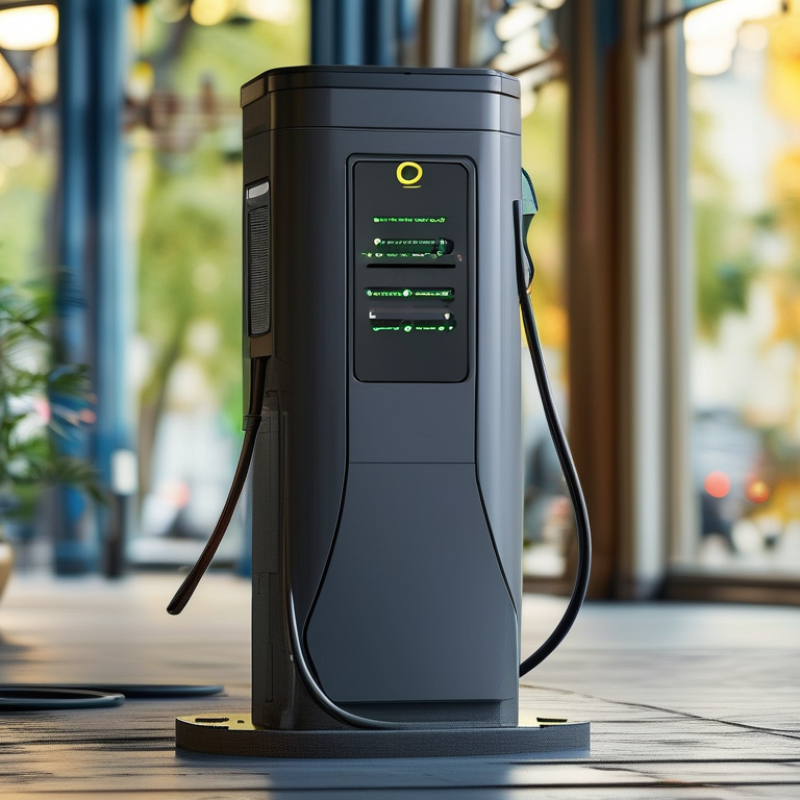
OCPP Smart EV Charger: Overview of Technology and Standards
OCPP, or Open Charge Point Protocol, represents a significant advancement in EV charging technology. It standardizes communication between electric vehicle chargers and central management systems. This framework promotes interoperability across various charging networks. As a result, it allows buyers to select chargers from different manufacturers seamlessly. The ability to easily switch providers increases flexibility for operators and users alike.
One notable feature of OCPP is its open nature. This openness encourages innovation and competition among manufacturers. More options enhance affordability and improve service quality. However, the standard's flexibility may lead to inconsistencies in implementation. Buyers need to be cautious when selecting chargers to ensure compatibility with existing infrastructure.
Furthermore, OCPP provides detailed monitoring and reporting capabilities. Users can track energy usage and performance in real time. Such insights can help optimize charging strategies and reduce costs. Nonetheless, the integration of OCPP might require upfront investment. Companies should reflect on long-term benefits versus initial expenses. Balancing these factors is essential for making informed choices.
Market Demand for Smart EV Chargers: Statistics and Trends
The global demand for smart EV chargers has seen remarkable growth. According to a recent market report, the smart EV charging market is expected to reach approximately $30 billion by 2027. This surge is driven by the rise of electric vehicle (EV) adoption globally. In 2021 alone, EV sales increased by over 40%, highlighting a significant shift toward sustainable transportation.
Government incentives and environmental concerns are key factors influencing this trend. Many countries offer tax credits and rebates for EV purchases, which indirectly boost the charger market. A report by the International Energy Agency indicates that charging infrastructure must grow by 30% annually to meet future EV demands. Reliability is paramount; consumers seek charging solutions that minimize downtime.
Yet, challenges remain. The integration of smart technologies can be complex. User training is often required to fully utilize these systems. Moreover, the grid's capacity to handle increased load is a concern for some regions. Data from research institutions shows that public awareness and education on EV benefits and charging solutions are crucial for future growth.
Key Benefits of OCPP Compliance for Global Buyers in EV Charging
The Open Charge Point Protocol (OCPP) has emerged as a game changer in the EV charging landscape. Compliance with OCPP offers several key benefits that resonate with global buyers. First, it significantly enhances interoperability. A recent study by the International Energy Agency showed that interoperability can improve user experience by 30%. Users can charge their vehicles seamlessly across different networks, increasing convenience and reducing charging-related anxiety.
Moreover, OCPP compliance promotes scalability. According to a report published by the Global EV Outlook, the worldwide EV market is projected to grow exponentially. As demand rises, charging infrastructure must expand in tandem. OCPP allows buyers to add or replace charging stations without restrictions. This flexibility is crucial as new technologies emerge and consumer preferences evolve, ensuring that investments are protected over time.
However, it is important to reflect on the challenges of OCPP adoption. Some buyers may face initial setup complexity and integration hurdles. These issues could deter businesses from committing to an OCPP-compliant infrastructure. Addressing these shortcomings is essential for maximizing the protocol’s advantages. As the EV market evolves, stakeholders must continue to evaluate their strategies, ensuring a better alignment with OCPP benefits.
Cost Savings and ROI: Financial Insights for OCPP Smart Chargers
OCPP smart EV chargers offer impressive cost savings and potential for ROI. According to a recent industry report, smart chargers can reduce energy costs by up to 30% due to their advanced energy management features. These chargers optimize charging sessions and avoid peak energy pricing, making them financially appealing for businesses and consumers alike.
Implementing OCPP smart chargers can lead to an ROI of about 15-25% annually. This is primarily due to lower operational costs and reduced downtime. Smart chargers also provide data analytics, helping users understand energy usage patterns. Monitoring these metrics allows for informed decisions regarding charging infrastructure.
Tip: Consider analyzing your local energy rates before investing. Some regions offer incentives for renewable energy usage.
Another point to consider is initial investment. While OCPP chargers may have higher upfront costs, the long-term savings often outweigh these. Investing in smart technology can significantly enhance user experience. Efficiency can be improved through optimization software over time.
Tip: Look for partnership opportunities with energy providers. They often have programs that support EV infrastructure development.
Future Outlook for OCPP Smart EV Chargers in Sustainable Transportation
The future of OCPP smart EV chargers looks promising in the context of sustainable transportation. As electric vehicle adoption increases, the demand for efficient charging infrastructure surges. OCPP chargers enhance interoperability, enabling seamless connection across various EV models. This flexibility is essential in today’s diverse electric vehicle market. With the rapid growth of renewable energy sources, these chargers can integrate with green energy systems, optimizing energy consumption and reducing carbon footprints.
Yet, challenges remain. Some users report concerns about compatibility with older systems. This inconsistency could hinder user experience. Moreover, the complexity of installation can deter potential buyers. Addressing these issues is crucial for broader acceptance. There needs to be ongoing dialogue among manufacturers, policymakers, and consumers. As technology evolves, OCPP smart EV chargers must adapt to meet the needs of all stakeholders, ensuring they remain a crucial component in the drive toward a sustainable transport future.

