Top 10 Benefits of Using PLC Control Panels for Automation
In today's fast-paced industrial landscape, automation plays a crucial role in enhancing operational efficiency. The use of a PLC control panel has emerged as a vital element in this process. These panels provide a cohesive solution for monitoring and controlling various automated systems. They integrate advanced technologies, allowing for real-time data processing and control.
When considering the adoption of PLC control panels, it’s important to recognize their benefits. These panels are designed to improve productivity by streamlining operations and reducing human error. They also facilitate easier maintenance and troubleshooting, which can save time and costs in the long run. Moreover, a well-implemented PLC control panel encourages flexibility in production processes, adapting quickly to changing demands.
However, companies must remain mindful of their specific needs before making the switch. Not every automation solution is suitable for every application. Understanding the unique operational environment is essential for maximizing the advantages of a PLC control panel. By acknowledging these nuances, businesses can leverage the full potential of automation while minimizing potential pitfalls.
Understanding PLC Control Panels and Their Functionality
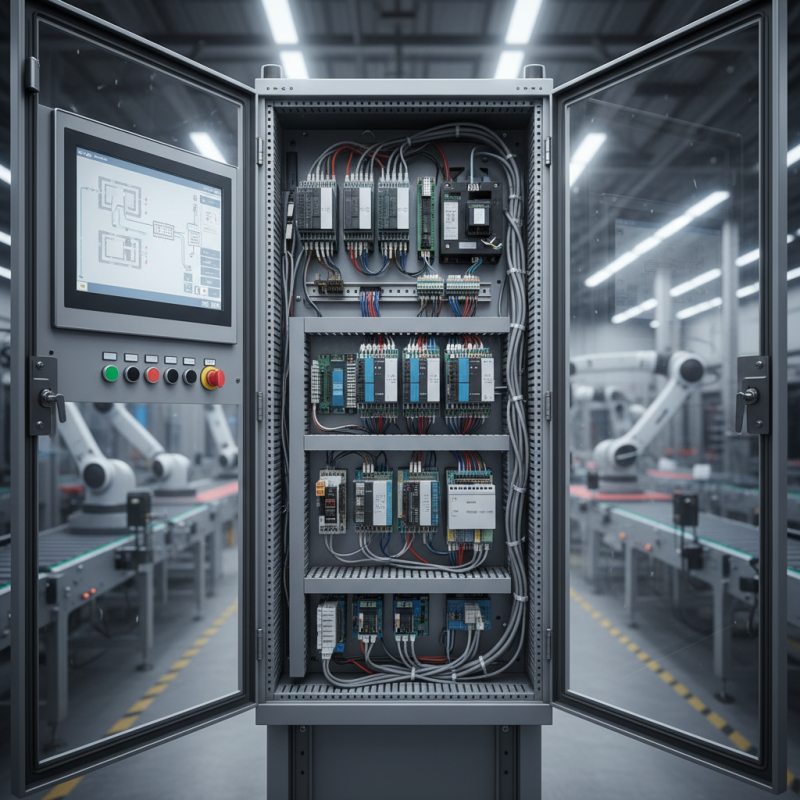
PLCs, or Programmable Logic Controllers, play a crucial role in automation. These panels streamline various industrial processes. They function as specialized computers, executing commands based on programmed instructions. Operators can monitor and control machinery with ease using a PLC. This enhances operational efficiency and accuracy in production lines.
A key feature of PLC control panels is their adaptability. They can integrate with various sensors and equipment. This makes them versatile for different industries. Customized programming allows for unique applications. It’s essential to understand the layout and design of the panel for effective use. Mistakes can occur in wiring or software configuration. Careful planning is necessary to avoid these pitfalls.
The reliability of PLC control panels is another important aspect. They are designed to withstand harsh conditions. However, occasional failures can happen, leading to downtime. Regular maintenance checks become vital for optimal performance. Understanding the functionality helps prevent issues before they arise. Employing best practices can lead to improved system resilience.
Key Advantages of Automation in Industrial Processes
Automation plays a crucial role in modern industrial processes. It streamlines operations, reduces human error, and enhances efficiency. For instance, using PLC control panels can significantly minimize downtime during production. Operators can quickly troubleshoot and rectify issues with improved visibility into processes.
Another key advantage is that automation allows for consistent product quality. Machines maintain precision and adherence to specifications better than manual methods. By implementing automated systems, industries can ensure that every item produced meets rigorous standards. This consistency builds trust with customers.
However, transitioning to automation isn't always smooth. Employees may resist changes, fearing job losses. Training and support are necessary to foster a culture of collaboration between humans and machines. Finding the right balance can be challenging, yet it is vital for the long-term success of industrial automation.
Enhancing Efficiency Through PLC Control Panel Integration
PLC control panels are revolutionizing automation processes. Their integration enhances efficiency significantly. These panels streamline operations, reducing downtime. Real-time monitoring and control are made possible. Operators can respond swiftly to issues, which speeds up overall production flow.
In industries like manufacturing, PLC control panels play a crucial role. They allow precise control of machinery and processes. Automated systems reduce human error and enhance safety. With improved productivity, businesses can meet demands effectively. However, users often overlook the importance of regular maintenance. Neglecting this can lead to unexpected failures.
Data from PLC systems provides valuable insights. Analyzing this data can help identify inefficiencies. Companies can make informed decisions based on real-time metrics. Yet, extracting valuable information can be complex. Many teams may need training to interpret these results effectively. Balancing automation with skilled personnel is an ongoing challenge.
Improved Safety Features Associated with PLC Control Panels
PLC control panels significantly enhance safety in industrial automation. According to a report by the International Safety Equipment Association, over 25% of workplace injuries are linked to machine operation. PLCs help mitigate these risks by providing advanced safety features. They enable safer machine operation through real-time monitoring and automated emergency shutdowns. This creates a safer work environment for operators.
Additionally, PLCs can integrate with safety protocols more easily than traditional systems. A study by Automation.com suggests that facilities using PLCs experience a 30% reduction in accident rates. These panels use programmable logic to ensure compliance with safety standards and protocols. Real-time feedback allows for rapid response to potential hazards.
However, reliance on PLCs can also introduce vulnerabilities. Companies must regularly update the software to address new security threats. Failure to do so may lead to safety breaches. Regular training for personnel is essential to maximize the effectiveness of PLC systems. Despite these challenges, the potential for improved safety with PLC control panels is undeniable.
Top 10 Benefits of Using PLC Control Panels for Automation
Cost Savings Over Time with PLC Automation Solutions
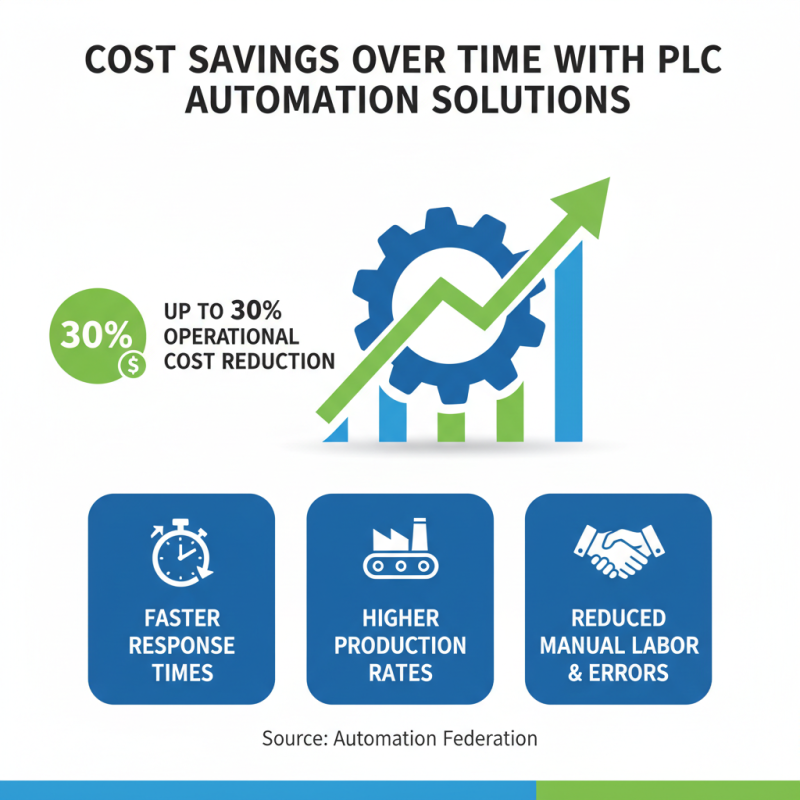
PLC (Programmable Logic Controller) control panels are transforming automation in industries today. One key advantage is the cost savings they offer over time. Research from the Automation Federation indicates that businesses can save up to 30% in operational costs through efficient automation solutions. These systems streamline processes, reducing manual labor and minimizing errors. For example, implementing a PLC can lead to faster response times and higher production rates.
In addition, companies often see a return on investment (ROI) within the first couple of years. A report by the International Society of Automation reveals that manufacturers using PLCs improve productivity by approximately 25%. This improvement translates into not just financial gains, but also enhanced product quality. Downtime is reduced significantly, contributing to further cost effectiveness. Yet, organizations may face challenges. Initial investment costs and the need for employee training are notable hurdles. It requires careful planning and execution.
Furthermore, while PLCs save costs, maintenance is crucial. Regular upkeep ensures that the systems run smoothly, avoiding potential disruptions. Companies must also adapt to rapid technological changes. Embracing these innovations can be daunting. However, the long-term benefits of PLC automation are clear—improved efficiency, reduced operational costs, and better allocation of resources.