Best Automation Control Panel for Efficient Operations?

In today’s fast-paced industrial landscape, the importance of an effective automation control panel cannot be overstated. This vital component enhances operational efficiency and reduces manual intervention. Businesses rely on automation to streamline processes and improve productivity. However, finding the best automation control panel tailored to specific needs can be challenging.

Key factors must be considered. These factors include compatibility, user-friendliness, and scalability. Each operation has unique requirements, and there is not a one-size-fits-all solution. The right automation control panel should integrate easily with existing systems. It should also allow real-time monitoring and control. Users often overlook these details, resulting in inefficiencies.

Investing in a high-quality automation control panel can lead to significant long-term benefits. However, companies must weigh the options carefully. Poor choices may lead to unnecessary complications and increased costs. Understanding the nuances of available technology is essential. The search for the perfect automation control panel requires both time and expertise.
Best Automation Control Panel for Efficient Operations?

Definition and Functionality of Automation Control Panels

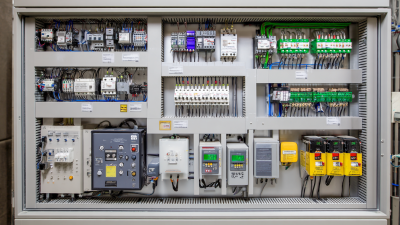
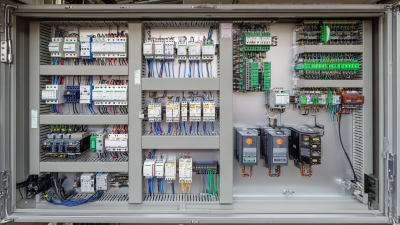
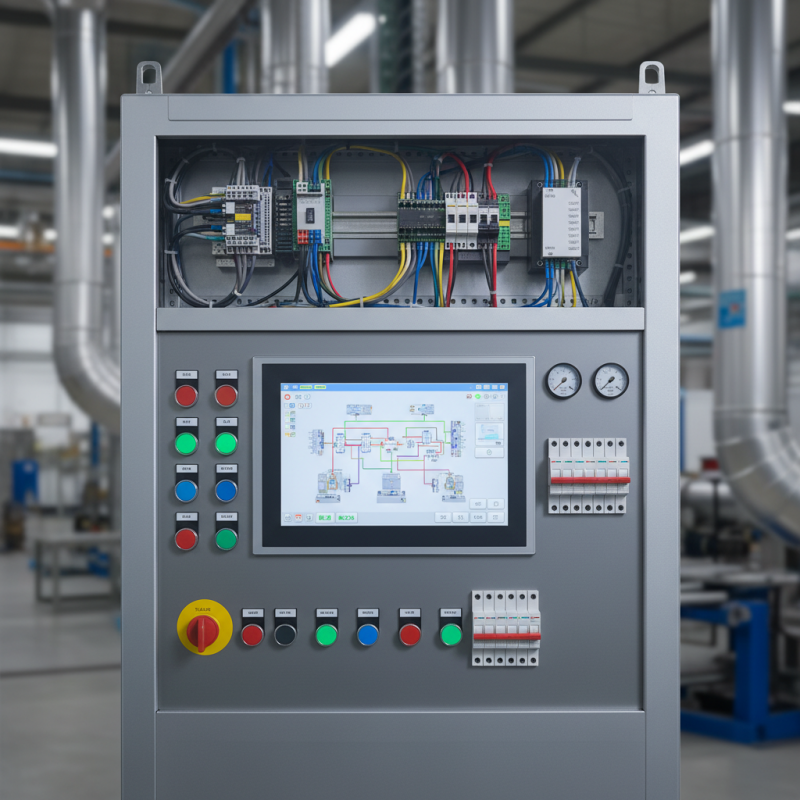
Automation control panels are essential for modern industrial operations. They provide a centralized interface to monitor and control various automated processes. Their functionality includes managing machinery, regulating functions, and providing feedback on system performance. By connecting sensors and actuators, these panels ensure seamless operations.

Tips: When choosing a control panel, consider its compatibility with existing systems. Always review software capabilities. This can save time and reduce errors.

These panels vary in complexity. Some feature basic controls, while others incorporate advanced functionalities such as data logging and remote monitoring. A well-designed panel contributes to efficiency and safety in operations. However, not all panels are the same. Some may lack essential features, leading to difficulties in integration.

Tips: Assess your operational needs carefully. Involve technicians in the selection process. Their insights can pinpoint potential issues ahead of time.

Automation control panels are a cornerstone of efficient operations. Investing in the right panel can enhance productivity. Negligence in this choice can lead to complications. Always conduct thorough research before deciding.

Best Automation Control Panel for Efficient Operations

Feature Description Benefits
User Interface Intuitive design that allows users to easily navigate and control operations. Reduces training time and increases user efficiency.
Integration Capability Compatible with various industrial devices and software platforms. Enhances system interoperability and data sharing.
Scalability Can be expanded easily to accommodate new processes or technologies. Allows businesses to grow without extensive system overhauls.
Data Analytics Provides real-time data analysis and reporting tools. Facilitates informed decision-making based on operational insights.
Security Features Includes user authentication, role-based access, and data encryption. Protects sensitive information and prevents unauthorized access.
Support and Maintenance Offers ongoing technical support and regular updates. Ensures system reliability and up-to-date functionalities.

Key Features to Look for in Automation Control Panels

Best Automation Control Panel for Efficient Operations?

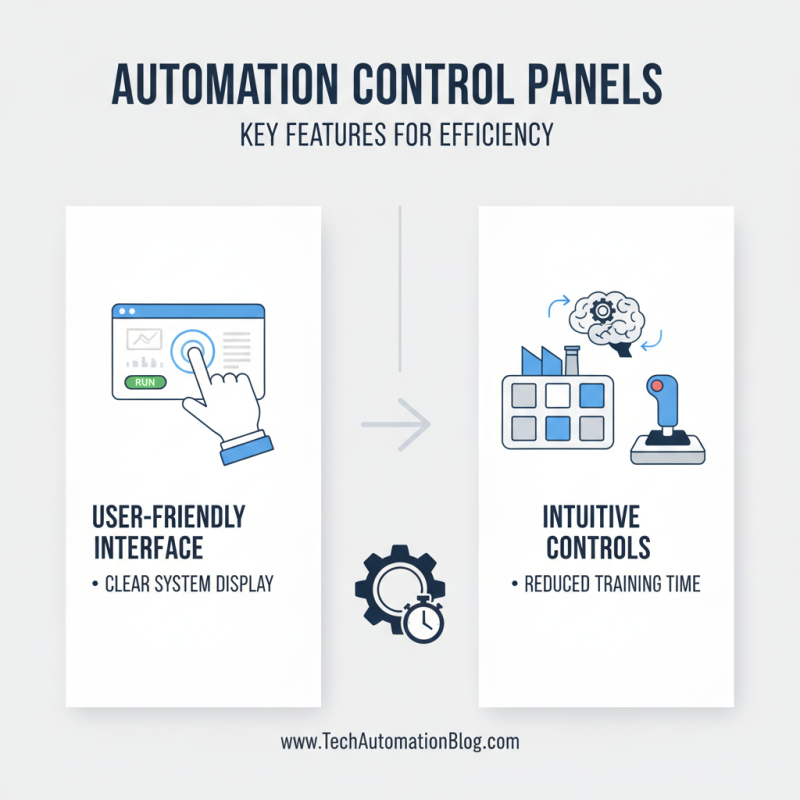
When choosing an automation control panel, several key features enhance efficiency. First, look for user-friendly interfaces. A clear display helps operators quickly understand system status. Intuitive controls reduce the time spent on training.

Another essential feature is scalability. A control panel should grow with your needs. Ensure it can be modified easily as operational demands change. A panel that’s too rigid could lead to inefficiencies.

Connectivity options are also crucial. A good control panel allows for seamless integration with other systems. Enhanced communication capabilities improve data sharing and overall performance.

Tips: Regularly evaluate the features of your control panel. Ask your team for feedback on usability. Adaptability is vital; features should match your evolving requirements. Consider upgrading when new technologies emerge. Stay proactive in maintaining operational efficiency.

Types of Automation Control Panels and Their Applications

Automation control panels play a crucial role in diverse industries. They are essential for managing and optimizing operations. Different types cater to various applications, each with unique features.

For instance, PLC-based panels are common in manufacturing settings. They provide reliable control and flexibility for complex processes. HMI panels, on the other hand, focus on user interaction. Operators can monitor systems easily through graphical interfaces. This enhances decision-making and speeds up response times.

Another type is the DCS panels. These excel in large industrial environments. They coordinate numerous processes efficiently. However, they can be costly and may require extensive training. Not all facilities need this complexity. Understanding the specific requirements of your operations is key. Reflect on what works best for your situation to ensure effective automation.

Advantages of Implementing Automation Control Panels in Operations

Best Automation Control Panel for Efficient Operations?

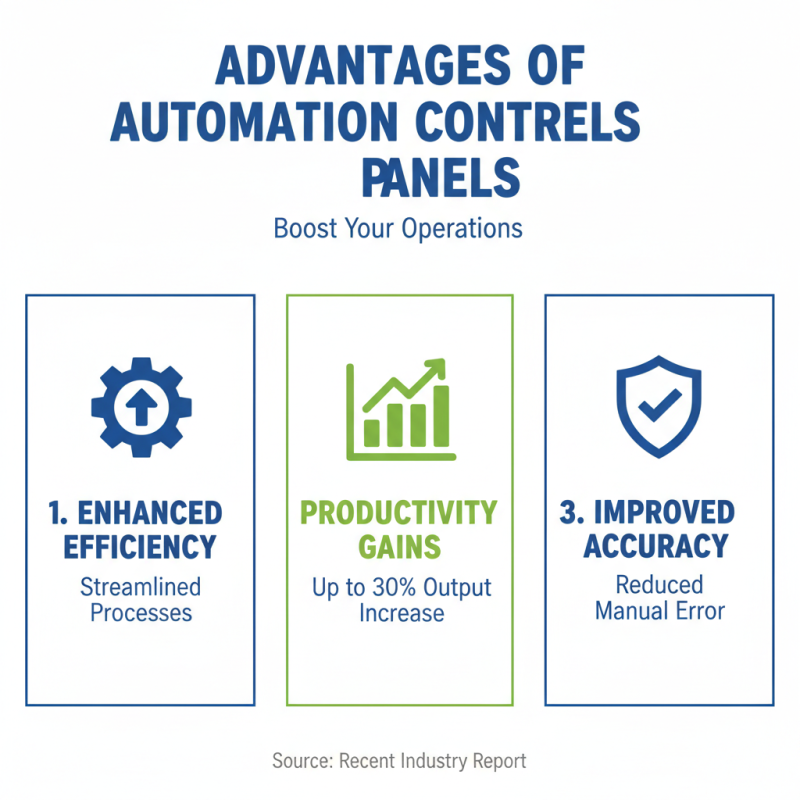
Automation control panels play a crucial role in enhancing operational efficiency. Implementing these panels can lead to significant productivity gains. According to a recent industry report, companies that utilize automation can increase their operational output by up to 30%. This increase is largely due to reduced manual intervention and improved accuracy in processes.

Additionally, automation reduces human error, which can cost businesses substantially. A survey showed that operational mistakes often account for around 20% of total expenditures. By investing in control panels, organizations can minimize these costly errors and improve overall reliability. Enhanced data collection allows for better decision-making, which drives further efficiencies.

**Tip:** Start by assessing specific operational needs before implementing automation. Understand where automation can save time and money. Remember, not all processes are suited for automation.

Leveraging automation also leads to improved safety in environments with hazardous tasks. Employees can focus on strategic initiatives rather than mundane tasks. Regular reviews of automation performance can identify areas for improvement. Embracing a culture of continuous feedback ensures that the technology evolves alongside business needs.

**Tip:** Engage employees in discussions about automation. Their insights can reveal potential hurdles and optimize the transition process. Continuous training is critical to maximize investment in automation technologies.

Best Practices for Maintaining Automation Control Panels for Efficiency

Effective maintenance of automation control panels is crucial for operational efficiency. Regular inspections are necessary to identify potential issues early. According to a study by the National Institute of Standards and Technology, routine maintenance can decrease downtime by 30%. This statistic highlights the importance of being proactive rather than reactive.

Tips: Keep a maintenance log. Documenting services performed can help track wear and tear. Establish a schedule for regular checks. Consistency is key in detecting faults early.

Environmental factors also play a role. Dust, moisture, and temperature fluctuations can affect panel operation. In a survey by the Control Systems Users Association, 45% of respondents reported that environmental conditions contributed to equipment failures. Regular cleaning and the use of protective covers can mitigate these risks.

Tips: Consider installing filters or ventilation systems. Reduce dust accumulation and improve air quality. Evaluate the location of your control panels. Placement can make a significant impact on their longevity.

Best Automation Control Panel Performance Metrics

Scroll to Top