
What Is the Best Chemical Eyewash Station in 2026?
A chemical splash can happen in seconds: a loose hose shifts, a bottle tips, or a worker turns too quickly. In that moment, a Chemical Eyewash station must be easy to spot and simple to activate. The best choice for 2026 is not automatically the newest or most expensive model. It is the unit that fits the actual hazards, room layout, water supply, and maintenance capacity of the workplace.
This guide compares key options, from plumbed stations to self-contained units. It looks at spray pattern, hands-free operation, access, and the time needed to reach the station. A clear path matters. So does a reliable water supply. A unit hidden behind stored cartons may look compliant on paper, yet fail the practical test. Small details count.
Selection should begin with a site-specific hazard review and the chemical’s safety information. Check manufacturer instructions and applicable workplace requirements before installation. Then consider routine flushing, inspection records, replacement parts, and whether staff can operate the unit without confusion. These steps are easy to overlook. They should not be. No product can replace training or appropriate medical evaluation after exposure. And one uncomfortable truth remains: even a well-chosen station is only useful when it works, stays accessible, and is checked consistently. The sections ahead offer a practical framework for comparing products without treating a single feature as a guarantee of safety.
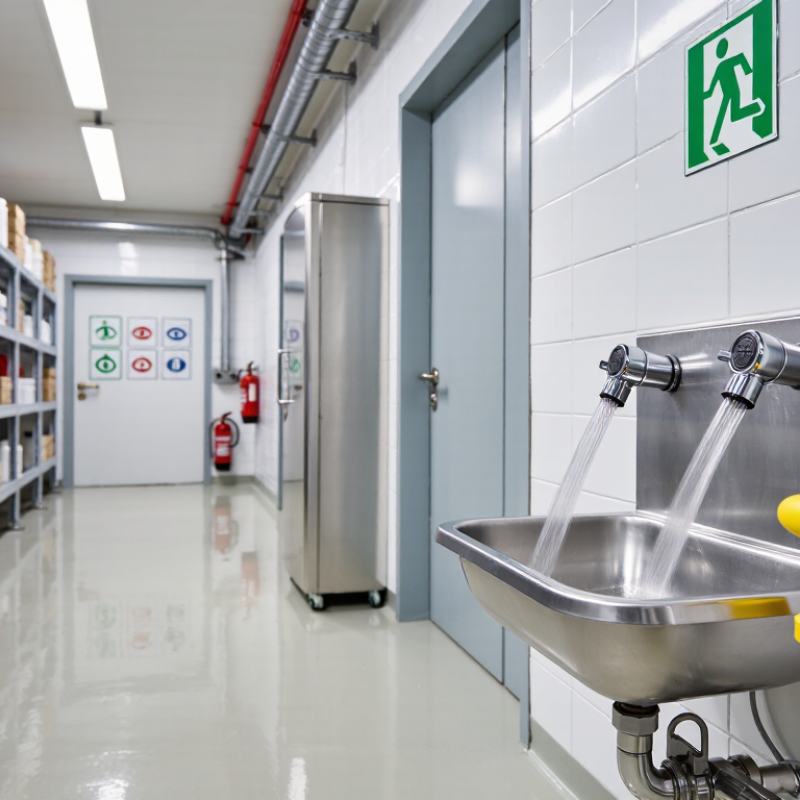
Chemical Eyewash Stations: Types, Purpose, and ANSI/ISEA Z358.1 Scope
A chemical eyewash station is emergency equipment for flushing the eyes after a splash. The best choice depends on the hazard, water supply, and room layout—not a product label. OSHA estimates that about 2,000 U.S. workers experience job-related eye injuries requiring medical treatment each day. Chemical exposure can make rapid access especially important. Seconds matter.
Common options include plumbed units, self-contained units, and combination stations with an eyewash and drench shower. Personal rinse bottles may help remove debris during initial response, but they do not replace a compliant emergency station. ANSI/ISEA Z358.1 sets performance and installation criteria for emergency eyewash and shower equipment. For example, an eyewash must deliver at least 0.4 gallons per minute for 15 minutes. The standard also addresses tepid water, accessibility, activation, and maintenance. Check the applicable edition and site requirements.
A practical selection starts with the chemical’s safety data sheet and the likely splash zone. A station should be reachable along a clear route, with no doors or stored boxes slowing access. That detail is easy to overlook. Plumbed units need a dependable water supply; self-contained models need scheduled inspection and fluid replacement. Combination units suit locations where both eye and body exposure are possible. Test the unit regularly, and keep the path and drain area clear. Real rooms are messy, so a paper plan alone is not enough.

Required Eyewash Flow: 0.4 GPM for 15 Minutes Under ANSI/ISEA Z358.1
Choosing a chemical eyewash station means checking more than its label. Under ANSI/ISEA Z358.1, an eyewash unit should deliver at least 0.4 gallons per minute for 15 minutes. Both eyes must receive a gentle, simultaneous flow. That sustained rinse helps dilute and remove contaminants while the user keeps their eyelids open.
A practical check is to activate the station and measure its output, rather than assume the specified flow is being reached. Look for clear access, an unobstructed drain, and spray heads protected from dust. The controls should be easy to operate with one hand, leaving the other available to hold the eyelids open. Water should be tepid; a painfully cold stream can make someone stop rinsing early. Small details matter.
The right setup depends on the work area. A plumbed unit may suit a fixed workstation, while a self-contained model may be needed where plumbing is unavailable. Either way, verify that it can maintain the required flow for the full 15 minutes, and follow the manufacturer’s inspection and maintenance instructions. A brief weekly activation can reveal blocked nozzles or weak pressure, but it does not replace a measured flow check. It is easy to focus on the equipment and overlook access. Keep the path clear.
What Is the Best Chemical Eyewash Station in 2026? - Required Eyewash Flow: 0.4 GPM for 15 Minutes Under ANSI/ISEA Z358.1
| Evaluation Dimension | Recommended Requirement or Feature | Why It Matters |
|---|---|---|
| Minimum eyewash flow | At least 0.4 gallons per minute (GPM), approximately 1.5 liters per minute, delivered to both eyes simultaneously. | Provides the minimum flushing flow specified for an eyewash under ANSI/ISEA Z358.1. |
| Flushing duration | Continuous flushing for at least 15 minutes. | A station must sustain the required flow for the full flushing period. At 0.4 GPM, that equals at least 6 gallons of water delivered. |
| Water temperature | Use tepid flushing fluid; ANSI/ISEA Z358.1 defines tepid as 60–100°F (16–38°C). | Water that is excessively hot or cold may discourage users from completing the full flush. |
| Water delivery | Provide a controlled, gentle flow that does not injure the eyes, with outlets positioned to flush both eyes at once. | Effective rinsing should not create additional injury or require the user to flush one eye at a time. |
| Activation and operation | Use a clearly identifiable, easy-to-reach actuator that starts the flow quickly and keeps it on without continuous hand pressure. | In an emergency, users may have impaired vision or limited ability to operate controls. |
| Location and access | Install the station on the same level as the hazard, in an unobstructed area, and within a 10-second travel time. | Fast, direct access is essential after a chemical splash. Assess hazards and applicable standard requirements when determining placement. |
| Plumbed eyewash station | Best suited where a dependable water supply and suitable drainage are available; verify that the installed unit delivers the required flow and duration. | A continuous supply can support extended flushing, but water quality, temperature, accessibility, and maintenance still need attention. |
| Self-contained eyewash station | Consider where plumbing is unavailable; confirm usable capacity, specified flow, flushing duration, fluid replacement schedule, and operating temperature. | Portable or self-contained equipment must be capable of providing the required flushing performance. Personal eyewash bottles are supplemental and do not replace a compliant primary station. |
| Routine readiness checks | Activate plumbed units weekly to verify operation and help clear the supply line; inspect and maintain equipment in accordance with ANSI/ISEA Z358.1 and the manufacturer’s instructions. | Regular checks help identify blocked outlets, leaks, inadequate flow, or other problems before an emergency occurs. |
| Selection decision | The best station is one that meets the applicable standard, suits the chemical hazards and site conditions, is easy to reach, and can be tested and maintained consistently. | Confirm the final selection and installation against the current standard, workplace risk assessment, and local requirements. |
Placement Rules: Reaching an Eyewash Within 10 Seconds
What Is the Best Chemical Eyewash Station in 2026?
Placement Rules: Reaching an Eyewash Within 10 Seconds
A suitable chemical eyewash station is only useful if workers can reach it quickly. Place it within a 10-second walk of areas where chemical splashes are possible. Measure the actual route, not the straight-line distance. A cart, closed door, or narrow aisle can add precious seconds. Keep the path on the same level and free of obstacles. The station should be easy to spot, clearly marked, and reachable without searching for a key. For corrosive hazards, even a short delay matters. Check applicable workplace guidance and assess the specific chemicals and tasks; one layout will not fit every room.
Tips: Walk the route with a timer. Try it during a normal shift. Keep the floor clear. Don’t place supplies in front of the unit. Confirm workers know how to activate it.
Placement needs ongoing attention. Recheck access after benches, storage, or production equipment move. A station that met the 10-second target last month may now be blocked. Include routine activation checks and follow the equipment maker’s instructions for flushing and maintenance. Tepid flushing water can support effective rinsing, but temperature and flow requirements depend on the applicable standard. I’d also ask workers to point out awkward turns or hidden obstructions; floor plans can miss them. Small details count.
Plumbed vs. Self-Contained Stations: Supply, Maintenance, and Use Cases
What Is the Best Chemical Eyewash Station in 2026?
Plumbed vs. Self-Contained Stations: Supply, Maintenance, and Use Cases
The best station depends on the hazard, room layout, and water access. A plumbed unit offers a continuous water supply, making it practical near fixed chemical processes. But it needs reliable plumbing, suitable water temperature, and clear access. A blocked route or frozen pipe can make a well-chosen station useless. Water flow and operation should be checked according to the manufacturer’s instructions and applicable workplace requirements.
Self-contained stations suit remote areas, temporary work zones, or rooms without nearby plumbing. Their limits are easy to overlook. The tank holds a finite volume, so teams must track fluid condition, expiry dates, cleaning, and refills. Check that the unit is reachable without moving equipment, and confirm its flushing instructions match the chemicals present. In either setup, consult safety data sheets and site procedures; immediate, thorough rinsing matters.
Tips: Keep the path clear, mark the station visibly, and show workers how to activate it. Test plumbed units on the recommended schedule. Inspect self-contained supplies regularly, not just before an audit. A station can look ready and still fail a simple check. Decide based on actual exposure risks, access, maintenance capacity, and the specific flushing guidance for your workplace.
Choosing a 2026 Station: Tepid Water at 60–100°F and Compliance Checks
Choosing a chemical eyewash station in 2026 starts with water temperature, not appearance. ANSI/ISEA Z358.1 specifies tepid flushing fluid at 60–100°F (16–38°C). Its performance criteria also call for at least 0.4 gallons per minute for 15 minutes. These figures give buyers practical checks, not a guarantee that every installation is suitable. OSHA’s 29 CFR 1910.151(c) requires suitable flushing facilities where corrosive materials may contact workers’ eyes or bodies.
Temperature matters. Measure water at the outlets under realistic conditions, including after periods of low use; a warm supply pipe can cool, while an untempered line may run painfully hot. Check that the unit starts quickly, stays on hands-free, and provides an unobstructed flow to both eyes. Keep inspection records, and test the station according to the manufacturer’s instructions and site risk assessment. A checklist can miss a blocked drain or a spray pattern that feels wrong.
Tips: Run a documented weekly activation check, confirm tepid temperature, and inspect caps, nozzles, access, and drainage. Record defects and repairs. Small details matter. A station that looks ready may still deliver water that is too cold, too hot, or uneven.

