Best Galvanized Nails for Your Projects What to Know?
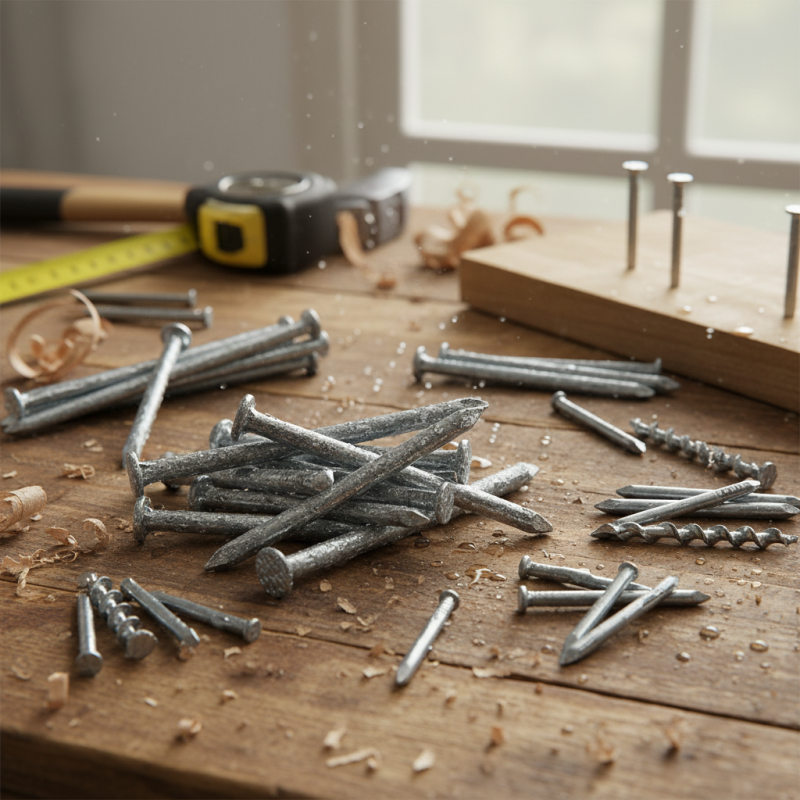
When tackling construction projects, choosing the right materials is crucial. Galvanized nails stand out due to their durability and rust resistance. These nails are coated with zinc, which protects them from corrosion. This feature makes them ideal for both indoor and outdoor use.
Many options are available on the market. Not all galvanized nails are created equal. You might find varying lengths, gauge sizes, and types. Each option serves different purposes. Understanding your project requirements can help you make an informed decision.
Consider the environment where you'll use these nails. Moist conditions or exposure to chemicals may require specific types. Reflecting on your choices is vital. The right galvanized nails can enhance the longevity of your projects. Avoiding subpar options can save you time and money in the long run.
Understanding Galvanized Nails: Definition and Benefits
Galvanized nails are steel nails coated with a layer of zinc. This protective coating helps prevent rust and corrosion. Understanding their benefits can enhance your projects significantly.
Galvanized nails are ideal for outdoor projects. They withstand the elements better than regular nails. This longevity makes them a preferred choice for builders and DIY enthusiasts alike.
When using galvanized nails, consider the size. Larger nails provide better holding power. Smaller nails can be easier to work with, especially in tight spaces. Think about your project’s demands before making a choice. Always check the environment too. Some projects may need extra corrosion resistance.
Tips: For best results, hammer nails straight. This prevents bending and maintains strength. If you're working with treated wood, opt for hot-dipped nails. They provide better protection against chemicals. Lastly, if you’re unsure about the nail type, consult an expert or do some research. Taking these steps can save you time and effort in the long run.
Types of Galvanized Nails: Finishes and Coatings Explained
When working with galvanized nails, understanding the finishes and coatings is crucial. Galvanized nails are primarily coated with zinc to resist rust and corrosion. This makes them ideal for outdoor projects. However, not all finishes provide the same protection. For instance, hot-dip galvanized nails undergo a specific dipping process, creating a thicker layer of zinc. This method results in nails that can last longer in harsh environments, particularly in areas with high humidity or exposure to the elements.
Electro-galvanized nails, on the other hand, are coated through an electroplating procedure. This typically leads to a thinner zinc layer, offering some rust protection. Despite this, they may not withstand extreme conditions as well as hot-dip galvanized nails. According to industry reports, 70% of builders prefer hot-dip galvanized nails for outdoor construction due to their increased durability. Yet, some projects may call for the less expensive electro-galvanized options. These choices reflect budget constraints but often compromise longevity.
It's important to assess the intended use of the nails. Consider factors like exposure to moisture and the substrate material. Some construction scenarios, particularly near coastal areas, require nails that can handle saline environments. While budget options might seem appealing, investing in quality finishes can significantly reduce long-term repair costs. Be mindful of these aspects when selecting nails for your next project.
Choosing the Right Size and Length for Your Project
When choosing galvanized nails, the right size and length matter significantly. The size of the nail can affect the overall strength of your project. For wood projects, a common choice is 16d or 8d nails. The "d" stands for penny, a historical measurement. A longer nail penetrates deeper, offering more holding power. Yet, using nails that are too long can split the wood. Finding balance is key, and you might have to try a few options.
Length is also crucial. For general framing, a 3-inch nail usually gets the job done. In contrast, shorter projects may only need 1.5-inch nails. Think about the materials too. Thinner woods will require shorter nails. You might find that using the wrong length leads to an unstable structure. It's not just about sticking something together; it’s about durability. Sometimes, you may need to rethink your choices, as using the wrong size can lead to failures down the line.
Understanding the weight and strain on the materials can guide your nail selection. If you expect a project to bear heavy loads, opt for thicker nails. Adapting your approach based on your specific needs can lead to better outcomes. Don't underestimate the power of these small components; they hold your work together, literally and figuratively.
Best Brands of Galvanized Nails: A Comparative Overview
When selecting galvanized nails, many factors come into play. The best brands often focus on durability and weather resistance. Each brand may offer various gauges and lengths. This variety caters to different project needs. However, some brands may lack consistency in quality.
In comparing options, consider the surface treatment. Some brands provide deeper galvanization, ensuring longevity. Others may not. This can lead to rusting in challenging environments. Pay attention to the packaging as well. Labels should indicate specific uses and features.
Quality control varies from brand to brand. A few well-known names might have higher prices. Yet, inexpensive options can sometimes perform just as well. It’s essential to analyze reviews and user feedback. Not all recommendations are equally valuable. Reflect on your project needs to make an informed choice.
Best Galvanized Nails for Your Projects: A Comparative Overview
| Nail Type | Length (inches) | Diameter (gauge) | Coating Type | Usage | Price per 100 pcs |
| Box Nails | 2 | 10 | Electro-galvanized | General construction | $5.00 |
| Roofing Nails | 1.5 | 12 | Hot-dipped galvanized | Roofing applications | $6.50 |
| Finishing Nails | 2 | 16 | Electro-galvanized | Cabinetry and trim | $7.00 |
| Decking Nails | 3 | 11 | Hot-dipped galvanized | Deck installation | $8.00 |
| Concrete Nails | 2.5 | 10 | Heavy-duty galvanized | Concrete fastening | $9.50 |
Common Applications of Galvanized Nails in Construction and Repair
Galvanized nails are a popular choice in construction and repair. They resist rust and corrosion, making them suitable for various projects. Common applications include decking, roofing, fencing, and siding. These nails work well in both indoor and outdoor settings. The coating helps them withstand harsh weather conditions.
In fencing, galvanized nails secure panels to posts. They provide strength and durability, which is crucial for stability. For decking, these nails prevent deterioration over time. However, some users overlook proper installation techniques. This can lead to problems like warping or loosening. In roofing, nails help hold shingles in place. A weak or improper fastening can cause leaks, leading to costly repairs later.
It’s essential to choose the right size and type of nail for each job. Misjudgments can lead to structural issues. Additionally, while galvanized nails are robust, they are not invincible. Over time, exposure to severe conditions can weaken them. Regular inspections can catch issues before they escalate. Balancing quality with practicality is vital in any project.
Best Galvanized Nails for Your Projects