
What Is the Best Inspection Machine for Printing in 2026?
What Is the Best Inspection Machine For Printing in 2026?
Choosing the best Inspection Machine For Printing now requires more than comparing camera resolution or software features. Modern presses run faster, substrates vary widely, and small defects can spread across thousands of labels, cartons, or flexible packages. A practical evaluation must examine detection accuracy, inspection width, line speed, lighting stability, data reporting, and integration with the press control system.
Quality-management expert W. Edwards Deming offered a useful warning: “You cannot inspect quality into a product; you must build quality into the process.” His principle remains highly relevant to print production. The strongest inspection machine does not merely identify missing text, color shifts, pinholes, or registration errors. It helps operators understand why those defects appeared.
Look closely.
In 2026, the right system should detect problems early, reject accurately, and create evidence for process improvement. It should also handle real factory conditions, including dust, vibration, reflective films, changing inks, and uneven lighting. Artificial intelligence may improve classification, but it is not a complete solution. Poor calibration can still produce false alarms. That weakness deserves attention.
The best choice depends on the application, not the most impressive specification sheet. A narrow web label line may need precise color and barcode verification. A wide packaging press may prioritize stable scanning, fast data processing, and dependable waste tracking. This guide compares the leading technologies, practical performance factors, and overlooked purchasing risks shaping the Inspection Machine For Printing market in 2026.
What Is a Printing Inspection Machine?
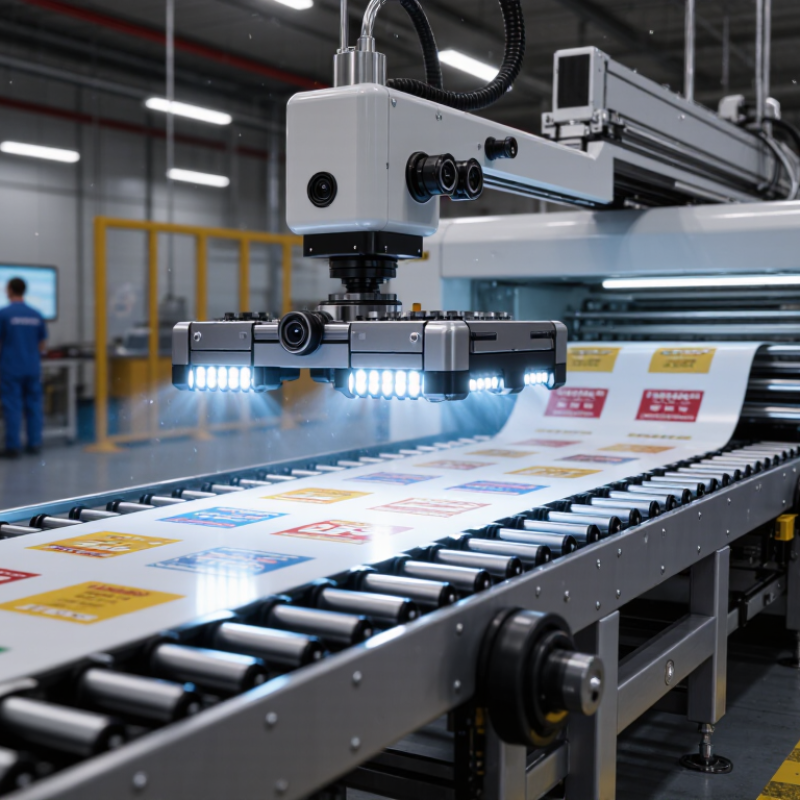
A printing inspection machine is an automated quality-control system that checks printed material while it moves through a press or finishing line. Cameras capture each sheet, label, film, or package at production speed. Software compares the live image with an approved reference image. It can identify missing text, blurred graphics, color shifts, stains, scratches, pinholes, and registration errors.
The system depends on more than cameras. Stable lighting reveals defects that ordinary factory lights may hide. Encoders track web or sheet movement, while sensors connect each image to its exact position. When the machine detects a fault, it can trigger an alarm, mark the material, or remove a defective item. That matters. A useful inspection system should also record images, defect locations, and production settings for later review. This evidence supports traceability and helps operators find recurring process problems.
In 2026, the best inspection machine is not simply the one with the highest camera resolution. It should match the print process, material width, line speed, and defect tolerance. A narrow label line needs different optics from a wide flexible-film press. In practical evaluations, false alarms often create more frustration than missed minor defects. No machine catches everything. Dust, glare, vibration, and poor reference images can reduce accuracy. Human review still matters, especially when acceptable color variation has not been clearly defined. A careful trial with real production samples remains more reliable than a specification sheet.

How Printing Inspection Machines Work
In 2026, the best inspection machine for printing is not always the fastest model. It must match the press, material, and production speed. A printing inspection machine uses cameras to examine moving sheets, films, labels, or cartons. The web passes beneath controlled lighting, often at high speed. Tiny defects matter. Missing text, color shifts, streaks, and pinholes can damage an entire batch.
As printed material moves through the inspection zone, cameras capture repeated images across the full width. LED lighting reveals changes that normal factory lights may hide. Software compares each image with a reference pattern or approved sample. When a difference exceeds the set tolerance, the system sends an alert or activates a marking device. Some machines also stop the line, but that response needs careful configuration. A false alarm can waste time and usable material.
From practical production experience, setup quality often matters more than impressive specifications. Operators should adjust lighting, camera focus, registration limits, and defect sensitivity before a long run. Calibration must be checked regularly. Dust can imitate defects. Glossy surfaces can confuse cameras. No system is perfect. That limitation deserves attention. Reliable equipment stores inspection images, records alarm times, and supports clear traceability. The strongest choice is therefore a balanced machine: stable imaging, suitable software, simple controls, and support from trained technicians.
What Is the Best Inspection Machine for Printing in 2026?
How printing inspection machines work: camera resolution determines the nominal sampling pitch used to detect print defects.
The nominal pixel pitch is calculated from 25.4 mm divided by optical resolution in DPI. A smaller pitch gives the inspection system more samples across fine defects, but real performance also depends on lighting, lens quality, print speed, contrast, color measurement, and registration accuracy. Line-scan cameras are commonly suited to continuous webs, while area-scan cameras are commonly used for individual sheets and cartons.
Key Features to Evaluate in 2026
Choosing the best inspection machine for printing in 2026 starts with the defects your press actually creates.
In production trials, examine smudges, missing ink, pinholes, registration drift, and uneven color at normal line speed. Clear defect samples matter more than impressive brochure numbers. The machine should inspect every printed section, not selected frames. It also needs stable imaging when vibration, dust, or changing substrate reflectivity appears.
Small details matter.
Key features deserve careful comparison.
High-resolution cameras should match the smallest defect customers can see. Adjustable LED lighting should reveal gloss, matte, and metallic surfaces. Real-time color measurement can flag density shifts before an entire roll becomes questionable. A reliable system should separate cosmetic variation from genuine faults, reducing false alarms and operator fatigue. Its software should provide searchable defect images, user permissions, batch records, and clear audit trails. Integration with press controls is useful, but automatic correction should remain supervised. Machines can react confidently and still make the wrong decision.
Check response time at peak speed, not during a showroom demonstration. Ask for evidence from similar substrates and production conditions. Maintenance also affects accuracy. Accessible lenses, simple calibration, and diagnostic alerts can reduce downtime. Test detection with deliberately varied samples, including borderline defects. This exposes weaknesses that perfect samples hide.
The best choice is not always the most automated model. It is the one operators can understand, verify, and trust throughout every shift.
Comparing Inspection Technologies for Different Print Jobs
The best inspection machine in 2026 is not universal. It depends on substrate, speed, ink, and defect risk. In production trials, I match the inspection method to the print job before comparing specifications. Narrow labels need different controls from wide packaging webs. A machine that excels at one task may create blind spots elsewhere. That matters.
For long flexographic or gravure runs, a 100% web vision system checks every repeat for spots, streaks, missing print, and registration drift. Line-scan cameras suit fast-moving webs. Good lighting is critical; glare can hide a pinhole or exaggerate a mark. For digital short runs, high-resolution area cameras often give practical detail around variable text and tiny codes. Pairing vision with color measurement helps when color consistency matters. Yet color data needs calibrated references, not operator guesses.
For cartons and labels with serial numbers, OCR and barcode verification deserve priority. They confirm readability, position, and contrast, while vision tools inspect cutting, folding, and artwork alignment. For proofing, a spectrophotometer may be more useful than a full web inspection unit. It measures color differences before thousands of sheets are produced. Machines should also record images, defect locations, and pass-fail rules for traceable decisions. I have seen teams trust automation too quickly. Dust, substrate texture, and poor setup still confuse cameras. No system catches everything. Operators need training, periodic calibration, and a clear review process when an alert looks questionable.
How to Choose the Best Inspection Machine for Your Needs
Choosing the best inspection machine for printing starts with the job, not the machine. Sheetfed, web, labels, cartons, and flexible films create different inspection challenges. A system for high-speed web printing needs stable image capture, accurate registration checks, and fast defect rejection. A sheetfed system may need better handling of scratches, missing text, and color variation.
Smithers’ 2024 market analysis estimated the global digital printing market at more than US$200 billion, with continued growth expected through 2029. More printed variations mean greater inspection pressure. Your machine should detect relevant defects without producing excessive false alarms. Check camera resolution, web speed, lighting control, inspection width, database functions, and integration with existing finishing equipment. ISO 12647-based color control can support consistent evaluation, but color alone cannot prove print quality. Human review still matters.
Tips: Test real production samples before purchasing. Include small text, metallic effects, gradients, wrinkles, and intentional design changes. Ask for measurable results, such as detection accuracy, false-reject rates, and response time. A machine that performs well in a demonstration may struggle beside a vibrating press. I have seen teams focus on resolution while overlooking software usability. That mistake becomes expensive. Leave time for operator training, maintenance, and calibration. Also question whether every defect needs automatic rejection. Sometimes, a practical inspection threshold is better than perfect-looking data.
What Is the Best Inspection Machine for Printing in 2026? - How to Choose the Best Inspection Machine for Your Needs
A practical comparison of printing inspection technologies, operating ranges, quality controls, and recommended applications.
| Inspection Machine Type | Typical Print Process | Typical Material Format | Typical Operating Speed | Typical Inspection Resolution | Main Defects Detected | Best Application | Key Limitation | Recommended Priority |
|---|---|---|---|---|---|---|---|---|
| 100% Web Inspection System | Flexographic, gravure, offset, digital, and hybrid web printing | Continuous rolls, films, paper, foil, laminates, and nonwovens | Approximately 100–600 m/min, depending on print quality and web stability | Typically 0.1–1.0 mm defect sensitivity; higher detail may require slower speeds | Spots, streaks, missing print, color variation, registration errors, pinholes, wrinkles, and foreign material | High-volume packaging, labels, films, and continuous web production | Requires stable web tension, accurate lighting, and a reliable reference image or print standard | Highest priority when every meter of printed material must be checked |
| Sheet-Fed Vision Inspection Machine | Sheet-fed offset, digital, and specialty printing | Paperboard, cartons, commercial sheets, security sheets, and inserts | Approximately 3,000–18,000 sheets/hour, depending on sheet size and inspection depth | Typically 0.1–0.5 mm defect sensitivity for visible print defects | Set-off, hickeys, scumming, color shifts, image loss, text defects, register errors, and incorrect sheets | Folding cartons, premium commercial print, direct mail, and high-value sheets | Sheet alignment and transport quality strongly affect inspection accuracy | Best choice for sheet-fed production with strict visual quality requirements |
| Label Inspection System | Flexographic, digital, offset, and hybrid label printing | Self-adhesive labels, booklet labels, clear films, and pressure-sensitive stock | Approximately 20–200 m/min, depending on label pitch and finishing operations | Typically 0.1–0.5 mm, with higher sensitivity for small text and code verification | Missing labels, die-cut errors, text defects, color differences, barcode failures, and splice problems | Pharmaceutical, food, beverage, chemical, and premium product labels | Transparent, reflective, metallic, and highly glossy materials need specialized illumination | Best when traceability, code verification, and label position are critical |
| Print Quality Inspection Camera System | Digital, inkjet, offset, flexographic, and screen printing | Sheets, webs, cartons, envelopes, and molded or formed surfaces with suitable imaging access | Approximately 30–300 m/min, depending on camera resolution and processing requirements | Commonly 2,000–8,000 pixels across the inspected width | Color density changes, streaks, banding, missing nozzles, smears, misregistration, and image distortion | Inline monitoring where immediate feedback to the press or finishing line is required | Performance depends heavily on lighting uniformity, calibration, and software training data | Best for process control and rapid correction during production |
| Barcode and OCR Verification System | Digital, flexographic, gravure, offset, and variable-data printing | Labels, cartons, pharmaceutical packaging, tickets, documents, and serialized products | Approximately 30–300 m/min or 3,000–20,000 sheets/hour, depending on code density | Often specified by code module size; reliable reading commonly requires adequate contrast and focus | Unreadable barcodes, wrong data, missing characters, incorrect dates, damaged symbols, and text mismatches | Variable-data packaging, regulated products, logistics labels, and document security | It verifies codes and text but does not replace full-surface print defect inspection | Essential when data accuracy and product traceability are more important than cosmetic inspection |
| Offline Rewinder Inspection Machine | Labels, flexible packaging, films, laminates, and narrow-web printed rolls | Finished or semi-finished rolls, usually inspected during rewinding | Approximately 100–400 m/min, depending on roll width and defect classification | Typically 0.1–1.0 mm defect sensitivity | Splices, missing print, surface contamination, color variation, die-cut faults, and roll defects | Final quality inspection, defect mapping, roll splitting, and customer-specific sorting | Defects are identified after printing, so correction at the press may not be immediate | Best for final release inspection and converting operations |
| Hybrid AI and Rule-Based Inspection System | Digital, offset, flexographic, gravure, and mixed production lines | Sheets, webs, cartons, labels, and variable-content printed products | Approximately 50–500 m/min, subject to image size, computing load, and defect complexity | Commonly 0.1–1.0 mm, with software-dependent classification capability | Appearance variation, missing elements, variable-data errors, registration shifts, stains, and unusual defects | Complex jobs with frequent artwork changes and large volumes of variable data | Needs representative training samples, controlled lighting, and ongoing false-positive management | Best for flexible production environments requiring automated defect classification |
Selection Criteria for 2026
Choose the inspection machine according to material format, press speed, required defect size, print width, inspection position, lighting conditions, code-verification needs, data traceability, integration with the press or rewinder, and the acceptable false-reject rate. For continuous web production, a 100% web inspection system is generally the most suitable. For cartons and commercial sheets, sheet-fed vision inspection is usually more appropriate. For regulated packaging, combine surface inspection with barcode and OCR verification.

