10 Best PLC Control Panel Manufacturers in 2026?
Choosing the right plc control panel manufacturer in 2026 requires more than comparing prices and product brochures. Industrial buyers must examine engineering depth, panel safety, programming support, delivery consistency, and long-term service. A polished enclosure means little if wiring labels are unclear or replacement parts arrive weeks late.
Dick Morley, widely recognized as the father of the programmable logic controller, said, “The PLC was born out of a need to replace hard-wired relay systems.” That practical purpose still matters today. A dependable plc control panel should simplify machine control, reduce downtime, and remain understandable during maintenance. Technicians should find clean terminal layouts, readable schematics, tested components, and secure cable routing inside the cabinet.
This guide reviews ten leading PLC control panel manufacturers for 2026. The evaluation considers real industrial experience, automation expertise, customization ability, quality procedures, certifications, and customer support. It also considers how manufacturers respond when projects change unexpectedly. That detail is often overlooked.
No ranking is permanently perfect. Applications differ. A food-processing line needs different protection than a metal fabrication cell. Some manufacturers excel at standardized panels, while others handle complex systems better. Buyers should verify regional service coverage, software compatibility, warranty terms, and documented testing before signing a contract. A low initial quote can become expensive after commissioning problems appear.
The selected companies represent different strengths, markets, and engineering approaches. Their capabilities deserve careful comparison, not blind trust. A panel is not merely a metal box. It is the control center that operators depend on every production cycle.

PLC Control Panels: Functions, Components, and Industrial Applications
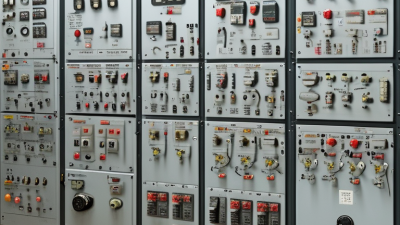
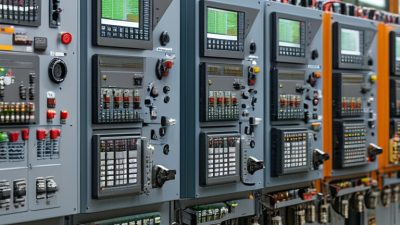
A PLC control panel acts as the working bridge between industrial equipment and its control logic. It receives signals from sensors, processes programmed instructions, and sends commands to motors, valves, and alarms. Operators can monitor temperature, pressure, speed, and production status through a connected interface. In real commissioning work, clear signal mapping prevents hours of troubleshooting. Small delays matter.
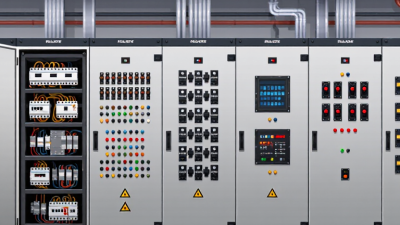
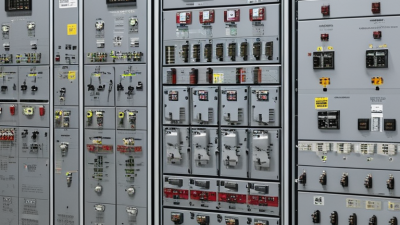
The main components include a PLC CPU, input and output modules, power supplies, circuit protection, terminal blocks, relays, contactors, and communication ports. Input modules connect devices such as proximity sensors and emergency-stop switches. Output modules control actuators, pumps, conveyors, and indicator lights. Proper grounding and wire separation reduce electrical interference. Ventilation also protects components in warm control rooms. More hardware does not always mean better control.
PLC panels support packaging lines, water treatment systems, material handling, energy equipment, and process automation. Engineers select the panel enclosure according to dust, moisture, heat, and cleaning conditions. During testing, technicians check every input, output, alarm, and safety response under realistic operating conditions. A neat schematic can still hide an incorrect field connection. No design is perfect. Regular inspection, backup programs, labeled wiring, and controlled software changes improve reliability. Yet maintenance teams must still question old assumptions, especially when machines are modified without updating documentation.
PLC Control Panels: Common Industrial Voltage Levels
PLC control panels commonly combine 24 VDC control circuits with AC auxiliary and motor-power circuits.
The values shown are representative nominal voltage levels used in industrial control-panel architectures;
actual requirements depend on the machine design, region, and applicable electrical standards.
How to Evaluate PLC Control Panel Manufacturers in 2026
Choosing among PLC control panel manufacturers in 2026 requires more than comparing enclosure prices. MarketsandMarkets projects the global PLC market to grow from about USD 9.8 billion in 2024 to USD 14.1 billion by 2029. That expansion increases supplier choices, but not necessarily supplier quality. Ask for documented experience with your voltage range, safety architecture, network protocol, and operating environment. Generic portfolios are not enough.
Request a sample electrical design, bill of materials, and panel heat calculation. Check component derating, cable segregation, short-circuit ratings, grounding, labeling, and spare I/O capacity.
A reliable manufacturer should explain its testing process, including point-to-point checks, insulation tests, software backup, and factory acceptance testing. The IEC 60204-1 framework is a useful reference for machinery electrical equipment, but compliance claims still require evidence.
Look closely at commissioning support. The International Federation of Robotics reported 541,302 industrial robots installed worldwide in 2023, showing how demanding automation environments have become. Ask whether technicians can troubleshoot remotely and provide on-site support when production stops. Review anonymized project records, not only testimonials. A polished enclosure can still hide weak documentation. I would also challenge optimistic delivery promises; supply-chain risks remain difficult to predict. One overlooked detail matters: confirm who owns the PLC program, passwords, drawings, and future revision rights.
Profiles of the 10 Best PLC Control Panel Manufacturers
Profiles of the 10 Best PLC Control Panel Manufacturers
The strongest PLC control panel manufacturers differ in practical ways. One specializes in food processing and washable stainless-steel enclosures. Another builds compact panels for packaging lines with limited floor space. A third focuses on high-speed motion control and precise servo coordination. The fourth supports water treatment projects, where remote monitoring and fault alerts matter. The fifth produces heavy-duty panels for dusty factories. The sixth offers modular designs for expanding production cells. The seventh develops energy-monitoring panels for large facilities. The eighth serves machine builders with repeatable, documented assemblies. The ninth handles retrofit projects around aging controllers. The tenth provides engineered solutions for complex, multi-site operations. These profiles show why “best” depends on application, not advertising.
Experienced buyers inspect wiring quality, thermal management, short-circuit protection, and enclosure ratings. They also review drawings, test records, spare-part policies, and response times. A dependable manufacturer should explain programming ownership clearly. Ask whether technicians perform factory acceptance testing before shipment. Look for labeled terminals, clean cable routing, and accessible service areas. Small details matter. I would not trust impressive specifications without photographs or inspection evidence. Some suppliers may offer excellent hardware but weak documentation. That weakness can delay commissioning and increase maintenance costs.
Tips: Request a sample electrical drawing and a test checklist. Confirm the PLC platform, communication protocols, and safety requirements early. Compare three quotations using identical technical specifications. Visit the workshop if the project is critical. Ask how failures are investigated, not only how they are prevented. A panel that looks tidy may still hide poor heat calculations. Also, allow time for revisions; the first design is rarely perfect.
How to Choose the Right PLC Control Panel Manufacturer for Your Needs
Choosing a PLC control panel manufacturer in 2026 requires more than comparing prices. Start with proven experience in your industry, not just years in business. Ask for similar project records, wiring photographs, test reports, and customer references. A capable manufacturer should understand your production cycle, safety requirements, operating environment, and future expansion plans.
Tips: Request a detailed scope before accepting a quotation. Check enclosure ratings, heat management, component availability, documentation quality, and programming ownership. Ask whether engineers perform factory acceptance testing with your actual input and output lists. Clear answers matter. Vague promises do not.
Inspect the manufacturer’s quality process carefully. Look for documented inspections, calibrated testing equipment, traceable drawings, and experienced electrical engineers. Confirm support after installation, including remote diagnosis, spare parts, training, and response times.
During one project, I underestimated the value of clear cable labels; commissioning took longer because technicians needed extra tracing. That mistake still influences my checklist.
Review cybersecurity practices, backup procedures, and change-control records too. The cheapest panel may create expensive delays when production stops. A reliable partner explains limitations honestly and proposes practical alternatives, even when the answer is inconvenient.