What Are the Best Vitavon Racing Development Parts for 2026?
Choosing the best Vitavon Racing Development parts for 2026 starts with a clear question: what does your RC vehicle need? A lighter build may benefit from different components than a truck used on rocky trails or a buggy driven on packed dirt. Fit, material, installation, and intended use matter more than a parts list that looks impressive. Small details count.
This guide explores how to compare Vitavon Racing Development upgrades, including practical considerations such as vehicle compatibility, durability, weight, and maintenance. A machined component may offer a precise fit, but that does not automatically make it the right choice for every setup. Check current product specifications and confirm the exact model and version before ordering. Manufacturers can revise parts, and fitment information may change.
Real-world use also shapes a good recommendation. A component that feels worthwhile on a frequently driven vehicle might be unnecessary for a casual weekend build. Be honest about your terrain, driving style, and budget. I would not treat “racing” as proof that a part will improve performance in every situation. Sometimes the stock component is enough. The sections ahead will help narrow the options, explain what to verify, and identify where an upgrade may make sense. No single setup suits everyone, and that is worth remembering.
Understanding Vitavon Racing Development Parts and Their Purpose
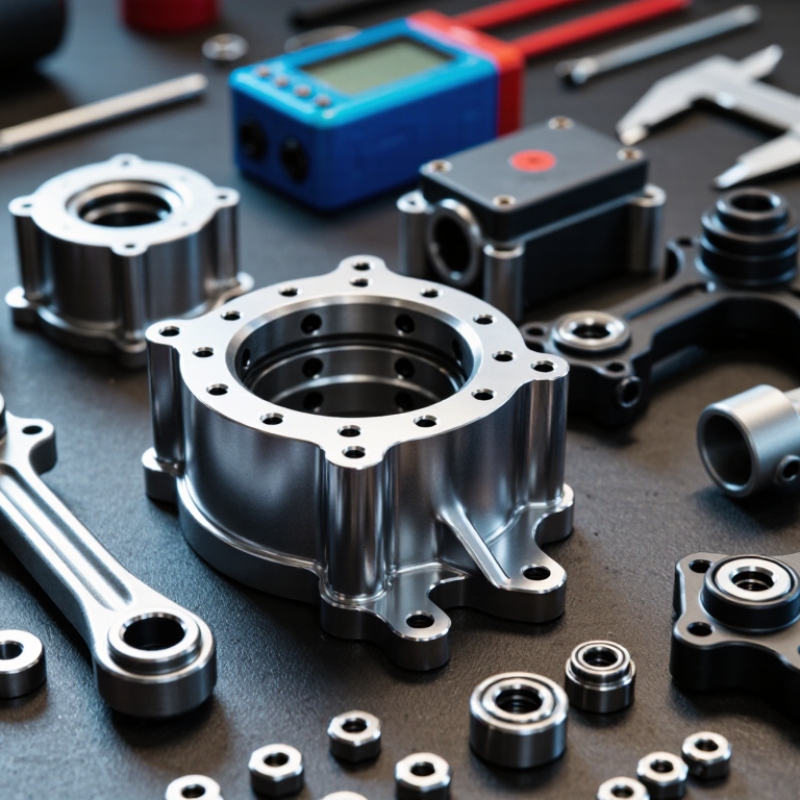
Racing development parts are engineered to control flex, reduce unwanted play, and keep a vehicle predictable over rough surfaces. Their purpose is not simply to make a model look more aggressive. A stiffer suspension arm can preserve alignment through repeated cornering, while a precisely machined hub can reduce looseness around the wheel bearings. Fit still matters. Even a strong part can perform poorly if its tolerances, screws, or mating surfaces are incorrect.
Material choice involves trade-offs. The ASM Handbook lists aluminum alloy density near 2.70 g/cm³, compared with roughly 7.85 g/cm³ for common steel. That difference helps explain aluminum’s appeal for weight-conscious chassis and suspension components. MMPDS-2022 provides engineering allowables for structural alloys, but catalog strength figures do not predict performance on every track. Impacts, heat, fastener tension, and maintenance all matter. A harder component may resist bending, yet transfer more shock into adjacent parts. Trade-offs remain. For practical evaluation, inspect bearing seats, thread engagement, surface finish, and clearance with the suspension compressed. These details are easy to overlook. Log lap times and check for loosened hardware after testing; impressions alone can mislead.
What Are the Best Racing Development Parts for 2026?
Material choice is one factor when selecting development parts. This chart compares the approximate densities of common materials used in components such as chassis plates, suspension parts, fasteners, and braces.
Lower density can help reduce component mass, while strength, stiffness, durability, and vehicle setup also matter. Values are representative: aluminum is 6061, and carbon-fiber composite density varies with its layup.
Key Criteria for Evaluating Parts for 2026
For 2026, judge racing development parts by measurable gains, not dramatic claims. Check fitment, mass, heat tolerance, service life, and access to replacement components. A lighter component is not automatically better if it flexes under load or needs frequent replacement. Ask for test conditions, material specifications, and installation guidance. SEMA’s 2024 Market Report estimated the U.S. specialty-equipment market at $52.3 billion in 2023. That figure shows market scale, not proof that any individual part improves performance. Data matters.
Tips: Weigh the original and replacement parts on the same scale. Record brake temperatures, lap times, and fastener checks under comparable conditions. Keep the setup consistent. Small differences can mislead.
For a credible comparison, define the car’s use first: short sprints, long sessions, or mixed track days. Review test results for the same vehicle class and operating conditions. Check whether the supplier explains tolerances and maintenance intervals. A polished test sheet can still leave out useful details, so ask what was not measured. I would also budget for fitting and inspection; those costs are easy to overlook. Choose parts that deliver repeatable results and can be checked between sessions.
Comparing Performance, Compatibility, and Durability
For 2026 racing builds, judge upgrade parts by measured gains, fit, and service life—not appearance alone. A lighter arm may sharpen response, but thin sections can flex under repeated impacts. Check mounting-hole spacing, shaft diameter, thread pitch, and clearance at full suspension travel. A part that fits on the bench may bind under load. Small detail, big difference.
Durability deserves equal attention. S&P Global Mobility reported that the average age of U.S. light vehicles reached 12.6 years in 2024; this is broad fleet data, not an RC-part test, but it highlights the value of long service life. J.D. Power’s 2024 U.S. Vehicle Dependability Study recorded 190 problems per 100 vehicles, a reminder that added complexity can create new failure points. For a race chassis, inspect bearing seats, fastener engagement, and stress marks after each session. Compare material, machining finish, and replacement availability. Keep notes across several runs. Honestly, one setup may feel faster while wearing sooner. A short test can mislead.
Choosing and Maintaining the Right Parts for Your Build
For a 2026 racing build, choose parts that match your chassis, driving surface, and maintenance skills. A lighter suspension arm may reduce moving weight, but only if its mounting points and geometry suit your setup. Check dimensions, fastener sizes, and clearance before ordering. A few millimeters can change wheel travel or cause rubbing at full steering lock. Stronger components are not automatically better; extra stiffness can make a rough track feel less predictable.
Plan maintenance before chasing performance. After each run, inspect joints, screw heads, and contact points for looseness, cracks, or fresh scuff marks. Clean away grit with a soft brush, then use the lubricant specified for that component. Keep a simple log of changes and handling notes. It may feel tedious. Still, recording tire wear and lap behavior helps separate a real improvement from a lucky run. I would not change several parts at once; that makes cause and effect harder to judge.
Tips: Test one change at a time. Recheck fasteners after the first few runs, and compare measurements with the original parts. If fit or handling seems uncertain, pause and consult a qualified technician rather than forcing a component into place.

