Why Are Canning Tins Essential for Food Preservation?
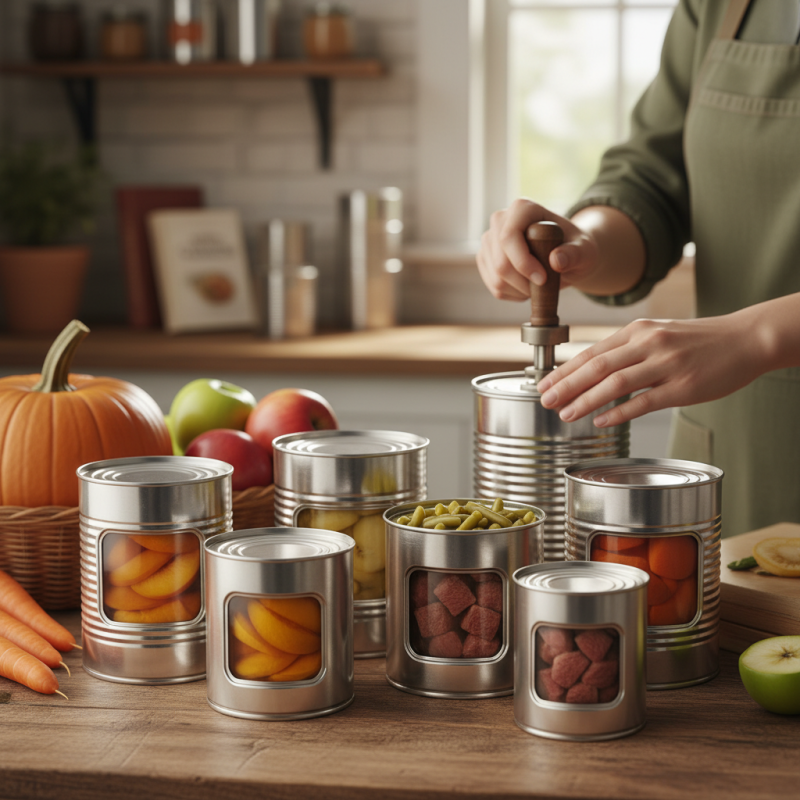
Canning Tins play a vital role in food preservation. These simple yet effective containers have been used for generations. They protect food from air, moisture, and light, which can lead to spoilage. With rising food costs, understanding the utility of canning tins is essential for saving money and reducing waste.
Food safety is another critical factor. Using canning tins correctly can extend the shelf life of a variety of foods. Home canning can preserve fruits, vegetables, and even meats. However, improper use of canning tins can lead to foodborne illnesses. It is important to follow guidelines and ensure tins are sealed properly.
We must reflect on the balance between convenience and safety. Many individuals may overlook proper practices. Reliable information is key to successful food preservation. Learning to use canning tins correctly can make a significant difference. With the right knowledge, anyone can embark on an effective canning journey.
The History and Development of Canning Technology
Canning technology has a rich history that dates back to the early 19th century. The first successful method was developed in 1809 by Nicolas Appert, a French confectioner. He discovered that food stored in glass jars could stay fresh for long periods when heated. Shortly after, the process was adapted to metal cans, revolutionizing food preservation.
According to a report from the Food and Agriculture Organization, canned food can retain vitamins and minerals effectively. In fact, some studies indicate that canned fruits and vegetables can contain similar nutritional value to their fresh counterparts. This innovation not only improved food storage methods but also contributed to reducing food waste significantly.
Tips: When canning at home, use tested recipes to ensure safety. Keep your workspace clean to prevent contamination. Remember that not all foods are suitable for canning, and certain acidic foods can improve the preservation process.
How Canning Tins Function in Food Preservation
Canning tins play a vital role in food preservation by creating a sealed environment. This process prevents the growth of bacteria, molds, and yeasts. According to the USDA, proper canning techniques can extend the shelf life of food for up to five years or more. The physical barriers provided by cans help maintain freshness and nutrient integrity over time.
The function of canning tins relies on high temperatures and airtight seals. When food is placed in a tin and heated, it undergoes a process called sterilization. This process eliminates harmful microorganisms. A study by the Food Preservation Institute highlights that canned foods can retain 95% of their nutrients compared to fresh produce stored for similar durations. However, improper sealing can lead to contamination. It's crucial to ensure that cans are free of dents and rust.
Despite their advantages, canning is not without challenges. Home canning, for instance, requires precise measurements and temperatures. The Centers for Disease Control and Prevention warned that improper canning could risk foodborne illnesses. Even with robust guidelines, home canners sometimes overlook essential steps. It’s a reminder that while canning is effective, attention to detail is crucial for safety and quality preservation.
Nutritional Benefits of Canned Foods Compared to Fresh
Canned foods often face criticism compared to fresh produce. However, they can offer various nutritional advantages. For instance, canning preserves essential vitamins and minerals. Some studies show that canned fruits and vegetables maintain their nutrient levels, making them a convenient choice.
One benefit of canned foods is their shelf stability. This can be crucial for meal planning. Canned items resist spoilage, reducing waste. Foods like tomatoes and beans reach your table year-round. This convenience also makes it easier to stick to a meal plan. Less spoilage means less guilt.
Yet, not all canned foods are created equal. Some products may have added sugars or salt. It's essential to read labels carefully. Opt for low-sodium or no-added-sugar options. Being mindful about these choices can enhance the health benefits of canned foods. They should complement a balanced diet, not replace fresh options entirely.
Challenges and Considerations in Canning Processes
Canning is essential for food preservation, yet it comes with challenges. Ensuring a safe canning process requires attention to detail. Contaminated cans can lead to foodborne illnesses. According to the CDC, nearly 48 million people get sick from food every year in the U.S. alone. Proper canning techniques can mitigate this risk.
Thermal processing is critical in canning. It helps eliminate harmful bacteria. However, maintaining the right temperature and timing is tricky. Overheating can alter food texture and flavor. Underheating can fail to kill pathogens. Research indicates that approximately 20% of home canning practices may not reach sufficient safety standards.
Ingredient selection also poses challenges. Low-acid foods, like vegetables and meats, require pressure canning. High-acid foods, such as tomatoes, can be processed in a water bath. Misunderstanding the acidity levels can jeopardize safety. In fact, the USDA reports that improper canning was linked to several botulism outbreaks. Thus, awareness and education on safe canning practices are vital for home canners.
Environmental Impact of Canning and Recycling Efforts
Canning tins play a crucial role in food preservation. As we enjoy the convenience of canned goods, we must consider their environmental impact. These tins are often made from steel or aluminum, materials that require energy-intensive processes to produce. This raises questions about sustainability and resource consumption.
Recycling efforts are vital for reducing waste associated with canning. Metal cans are highly recyclable. In fact, nearly 75% of cans are recycled in some regions. This recycling process saves energy and reduces landfill use. However, not all areas have efficient recycling systems. Many cans still end up in landfills, contributing to environmental degradation.
Tips for better recycling include rinsing your cans before disposal. Remove any food residue to improve recycling efficacy. Check local guidelines to know what can be recycled. In some places, you might find drop-off centers that specialize in tin recycling. While these efforts are beneficial, challenges remain. Awareness and participation in recycling programs can vary widely.

