How to Choose the Best Electrical Control Systems for Your Needs?
When selecting electrical control systems, understanding your specific needs is crucial. With the market growing at a rate of 6.5% annually, the options can be overwhelming. According to a recent report by MarketsandMarkets, the global electrical control systems market is expected to reach $200 billion by 2025. This highlights the importance of making informed decisions.
Choosing the right electrical control systems is not just a technical requirement; it’s essential for operational efficiency. Many businesses face challenges due to inadequate systems. For example, a case study showed that companies saving 15% on energy costs attributed their success to the right control system. Yet, some still struggle with integration issues.
Understanding functionality, reliability, and scalability is vital. Professionals often cite the need for systems that evolve with technology. A systematic approach can mitigate risks, ensuring lasting investment. However, missteps in selection can lead to costly downtimes or inadequate performance. Careful evaluation is essential to avoid these pitfalls.

Understanding the Basics of Electrical Control Systems
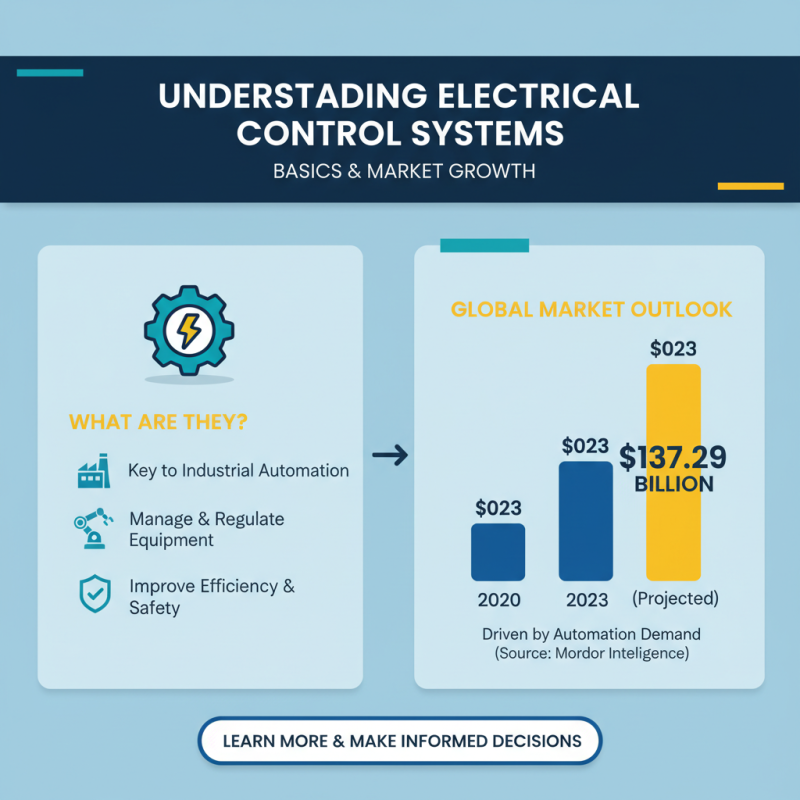
Electrical control systems play a critical role in many industries. Understanding these systems can aid in making informed decisions about your specific needs. According to a report by Mordor Intelligence, the global electrical control systems market is projected to reach $137.29 billion by 2025. This growth reflects the increasing demand for automation and efficient process control across various sectors.
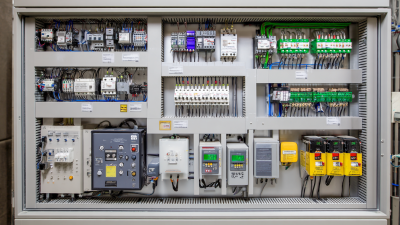
When examining the basics, key components include sensors, controllers, and actuators. These elements work together to ensure optimal performance. For instance, sensors detect changes in conditions, while controllers process this information. A malfunction here can lead to inefficiencies or even safety hazards. Moreover, a lack of integration can complicate operations, as isolated systems often fail to communicate effectively.
Another vital factor is the adaptability of these systems. Industries are constantly evolving, and your control system must keep up. Ideal systems offer scalability and flexibility. However, not all solutions provide this. Choosing a rigid system can hinder future growth. An overwhelming array of options may complicate selection too. Take time to assess your operational needs carefully. This step is vital in avoiding costly miscalculations later.
Identifying Your Specific Needs and Requirements
Choosing the right electrical control system hinges on understanding your unique needs. Start by assessing the specific requirements of your application. For instance, a 2022 report from the International Electrotechnical Commission stated that around 70% of failures in control systems arise from incorrect specifications. This highlights the importance of detailed analysis.
Consider the operational environment. Will it be subjected to extreme temperatures or humidity? These factors can drastically affect performance. Detailed assessments can prevent costly errors. Furthermore, evaluate the scalability of potential systems. A survey by the Institute of Electrical and Electronics Engineers in 2023 indicated that nearly 55% of manufacturing operations require scalable solutions. A flexible system can adapt to evolving operations.
Lastly, keep in mind potential integration challenges. The ability to communicate with existing equipment is crucial. A lack of compatibility often leads to inefficiencies and increased costs. Evaluate the interfaces and protocols supported by each system. Reflect on your long-term goals. Choosing a system that meets current needs without considering future expansion can lead to regret.
Evaluating Different Types of Electrical Control Systems
When evaluating different types of electrical control systems, it's essential to consider their application. Each system serves distinct functions. For instance, programmable logic controllers (PLCs) excel in industrial automation, managing complex machinery. In contrast, distributed control systems (DCS) are preferred for large-scale processes. Reports show that the global PLC market is projected to reach $10 billion by 2026, highlighting its growing importance.
Cost-effectiveness is another critical aspect. Systems vary significantly in price, impacting budget decisions. A study by MarketsandMarkets indicates that industries prioritize systems that balance functionality and cost. Small businesses might struggle with high initial investments. They may overlook reliable options suited for their needs, leading to inefficiencies and increased operational costs.
Reliability is crucial for choosing these systems. Downtime can result in significant losses. A 2021 survey revealed that 30% of companies experienced unplanned outages due to faulty control systems. Understanding the implications of system failures is vital. Selecting a well-reviewed system can prevent these issues. Evaluating user testimonials helps gauge reliability. Always consider both short-term and long-term impacts when making decisions.
Comparing Features and Specifications of Control Systems
Choosing the right electrical control system can seem daunting. Focus on features and specifications that matter most for your application. Start by considering the complexity of your processes. Different systems cater to various levels of automation. Some might support basic control, while others offer advanced features like remote monitoring.
Look for systems with user-friendly interfaces. This enhances usability and reduces training time for operators. Check the scalability of the system too. A good control system should adapt to future needs, allowing for easy upgrades when necessary. Don't overlook compatibility with existing infrastructure. Mismatched systems can lead to increased costs and inefficiency.
Examine the reliability of the control system. Manufacturer warranties and support services often signal confidence in their product. Be aware that not all features may align with your needs. Sometimes, an overly complex system can become a burden rather than a benefit. Assess whether you need all the advanced functionalities offered. This ensures you choose a system that fits your operational requirements without unnecessary complications.
How to Choose the Best Electrical Control Systems for Your Needs?
| Feature |
Description |
Specification |
| Input Voltage Range |
Voltage range that the controller can handle |
100-240V AC |
| Operating Temperature |
Temperature range for safe operation |
-10°C to 60°C |
| Control Method |
Type of control mechanism |
PID Control |
| Communication Protocols |
Protocols supported for communication |
Modbus, TCP/IP |
| Number of Inputs/Outputs |
Count of inputs and outputs available |
16 Inputs, 16 Outputs |
| User Interface |
Interface type for user control |
Touchscreen LCD |
| Power Consumption |
Power usage in operation |
50 Watts |
Budget Considerations and Long-Term Maintenance Planning
When selecting electrical control systems, budget plays a pivotal role. According to a report by the International Energy Agency, over 40% of companies see initial cost as the main barrier to adopting advanced control technologies. The financial strain can be daunting, particularly for small to medium enterprises. A tight budget may push organizations to opt for cheaper alternatives, which can lead to compromises in system performance or durability.
Long-term maintenance planning is equally crucial. Research from the Institute of Electrical and Electronics Engineers indicates that up to 60% of Total Cost of Ownership (TCO) is linked to maintenance. Investing in robust systems may seem costly upfront, but it may reduce repair frequency and costs over time. Regular maintenance schedules can extend a system's lifecycle and improve reliability, safeguarding against unplanned downtime. Businesses should consider these maintenance costs when evaluating different options. Shifting focus from initial purchases to a long-term perspective can unveil better investment value.
Finding the right balance between cost and reliability is not straightforward. It requires examining funding constraints against operational efficiency aims. The wrong choice can lead to increased expenses down the line. Engage with industry experts to assess needs realistically. That tailored approach can guide decision-making effectively.