How to Choose the Best Power Control Systems for Your Needs?
In today's rapidly evolving technological landscape, selecting the right power control systems is crucial. Global markets are increasingly relying on efficient energy management. According to a recent report by MarketsandMarkets, the power control systems market is projected to grow from $18.7 billion in 2021 to $27.1 billion by 2026, emphasizing its significance in various industries.
Businesses face challenges when choosing power control systems. Factors like efficiency, scalability, and reliability significantly influence decisions. A study from Frost & Sullivan states that up to 40% of energy may be wasted due to inefficient systems. Therefore, understanding the unique requirements of your application is vital.
Each power control system has its strengths and weaknesses. The complexity of integration can lead to potential pitfalls. Companies must carefully evaluate their specific energy needs while considering future growth. Making the right choice is not simply about current needs. It reflects a long-term investment in efficiency and sustainability.

Understanding Power Control Systems: An Overview
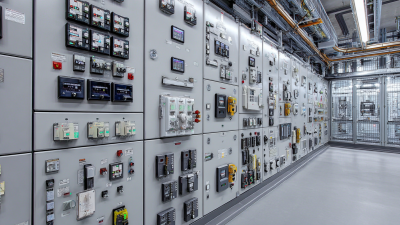
Understanding power control systems is essential for effective energy management. These systems regulate the distribution and flow of electrical power. They play a critical role in various applications, from industrial processes to renewable energy integration. Without them, efficiency can plummet, leading to higher costs and resource wastage.
When selecting a power control system, consider the specific requirements of your operation. Different systems offer various functionalities like load monitoring and automated adjustments. You might notice some options provide complex features, but they may not suit your needs. It’s essential to evaluate if a simpler solution might work better. This assessment can often lead to overlooked insights.
Additionally, think about the regulatory compliance for your industry. Many organizations prioritize systems that meet legal standards and safety protocols. However, examining the reliability of the system you choose is equally crucial. Some systems may promise high performance, but in practice, they may not deliver. Regular reviews and updates are necessary to ensure consistent functionality and safeguard investments.
Key Factors to Consider in Power Control System Selection
When selecting a power control system, a few key factors come into play. Start by assessing your energy needs. Calculate your consumption patterns. Understanding peak demand periods helps in choosing a system that can handle the load. Every facility has unique requirements. Take the time to analyze your operational context. This ensures you find a system that fits well.
Next, consider the system's compatibility with existing infrastructure. Look for a solution that integrates seamlessly. This can prevent costly upgrades down the line. Pay attention to scalability as well. Your energy needs may change over time. A system that can evolve is essential. Evaluate options that allow for easy expansion or modification.
Don't overlook the importance of user-friendliness. A complex interface can lead to operational errors. Aim for systems that offer intuitive controls and clear interfaces. Training staff to use the system effectively is crucial. Finally, consider maintenance and support services. A reliable system requires ongoing attention. Ensure you choose a vendor that prioritizes customer service and long-term support. Reflect on these aspects carefully to make a well-informed decision.
Power Control Systems Selection Criteria
Types of Power Control Systems and Their Applications
When selecting a power control system, it's essential to understand the types available and their applications. These systems can be divided into several categories. For instance, programmable logic controllers (PLCs) are widely used in industrial settings. They provide flexibility and adaptability for various automated processes. These systems control machinery and monitor operations, making them crucial for efficiency.
Another common type is power distribution units (PDUs). These units manage electrical power distribution in facilities. They ensure optimal energy usage and prevent overloads. Many organizations rely on PDUs for data centers and telecommunications. They not only improve system reliability but also enhance performance.
Consider your specific requirements when choosing a system. Assess the scale of your operation and potential future needs. Some systems may not be suitable for rapid growth. This limitation could affect long-term investments. Additionally, always ensure that the chosen system aligns with your compliance needs. A misaligned system can lead to regulatory challenges.
Remember to involve your technical team in decision-making. Their insights into operational challenges can be invaluable. They may offer perspectives that lead to improved performance or lower costs. Regularly revisiting your choices can help ensure ongoing efficiency.
Evaluating Performance and Efficiency Metrics
When evaluating the performance of power control systems, look closely at efficiency metrics. Efficiency affects costs directly. Systems that convert input power to output power effectively help save energy. For instance, an efficient system reduces wastage and minimizes operational expenses. Understanding these metrics can prevent overspending on energy bills.
Another important factor is load capacity. It determines how well a system can manage varying demands. A powerful system can handle sudden spikes in energy needs. However, an oversized system that frequently operates below capacity may waste energy. It's crucial to find a balance. Consider analyzing historical data on power usage to inform decisions.
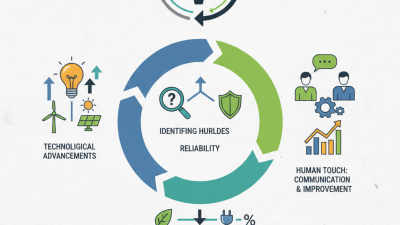
Reliability is equally significant. A power control system should maintain performance under all conditions. However, not all systems perform consistently in different environments. Assessing this can protect you from unexpected outages. Ultimately, understanding these performance metrics demands attention and clear evaluation.
Budgeting and Cost Considerations for Power Control Systems
When budgeting for power control systems, it's essential to assess your specific needs.
Start by outlining the core functionalities you require. It's crucial to prioritize features like efficiency and reliability over unnecessary add-ons. This initial step can help streamline costs and focus on what truly matters.
Next, take stock of the initial investment versus long-term savings. A lower upfront cost might seem attractive but could lead to higher maintenance expenses. Consider the total cost of ownership.
Evaluate the durability of the system, as quality often saves money down the line. Short-term savings might come with hidden pitfalls.
Don’t forget to explore financing options. Many companies offer leasing or financing plans to ease the financial burden. Remember that your choice reflects not just your current budget but also your future goals. An informed decision today can enhance your operational efficiency for years to come. Yet, it’s wise to remain flexible. Market conditions change, and so do technological advancements. Stay open to revisiting your choices.