
How to Choose Neon Lights for Your Business in 2026?
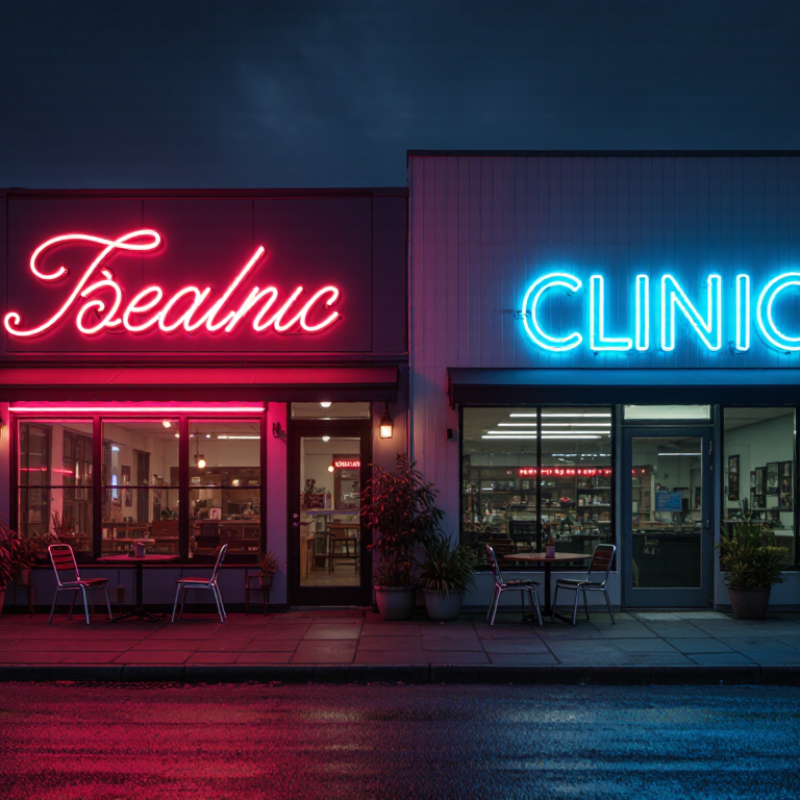
Choosing a Neon Light for your business in 2026 is not just a color decision. It is a practical choice about visibility, atmosphere, energy use, and upkeep. A warm red script above a café door feels different from crisp blue lettering on a clinic wall. Both can attract attention, but neither works everywhere. Neon artist and sign maker Todd Sanders offers a useful principle: “A sign should feel like it belongs to the place, not just the wall.” Treat that as a design lens, not a substitute for checking a sign’s brightness, materials, installation needs, and expected lifespan.
Start with the viewing distance. A compact window sign may need broad, simple lettering, while a roadside sign needs clear shapes that register quickly. Check how the light looks after dark and in daylight; a bright sample in a showroom can feel harsh against a quiet storefront. Ask whether the product uses traditional glass neon or LED-based neon-style tubing. They differ in appearance, handling, and maintenance. Small details count. So does the installer.
A good selection also fits your brand, budget, and daily conditions. Review the warranty, power requirements, mounting method, and cleaning guidance before ordering. Ask for a mock-up at the sign’s actual size. Then look at it from across the street. It may still feel slightly too bright. That hesitation is useful. The right Neon Light should draw the eye without drowning out the business it represents.
Identify Your Business Goals and Signage Requirements
Set the sign’s job before choosing its color or shape. Is it meant to pull people in from the sidewalk, guide customers to a counter, or make your name visible after dark? A 2012 U.S. consumer signage survey of 1,000 adults found that 76% had entered a store they had not visited before because of its signs. That points to a practical goal: make the message noticeable and easy to understand. Keep it practical. Choose one main message, then check whether it stays legible from the actual viewing distance.
Next, map the site requirements. Note indoor or outdoor exposure, mounting surface, viewing angle, available power, operating hours, and nearby lighting. A sign facing a bright window may need stronger contrast, not simply more brightness. Measure the wall and take a nighttime photo; estimates from memory can be misleading. If you are considering LED neon-style signage, the U.S. Department of Energy reports that LEDs use at least 75% less energy and last up to 25 times longer than incandescent lighting. Those figures are a useful benchmark, not a guarantee for every sign. Ask suppliers for the specific sign’s power use, expected lifespan, weather rating, and maintenance needs. One detail is easy to overlook: glare can make a vivid sign harder to read.

Compare Neon Light Types, Materials, and Technology
Choosing a sign starts with its light source. Traditional glass neon uses sealed tubes and high-voltage transformers; genuine neon gas gives a warm red-orange glow, while other colors require different gases or coatings. LED neon flex uses small diodes inside silicone or PVC channels, creating a more even, graphic look. It is usually lighter and easier to shape, but close inspection can reveal bends, joints, or uneven brightness. That detail matters.
Material choice affects the result. Glass offers distinctive contours and a familiar handcrafted appearance, yet it can break during transport or installation. Silicone flex handles tight curves and outdoor exposure well when paired with suitable sealing; PVC may be less expensive, but heat and sunlight can affect its finish. Acrylic backing makes mounting cleaner, though it can add visual bulk. Ask for a sample lit at the brightness and distance customers will actually see.
Technology changes operating costs, but compare like with like. The U.S. Department of Energy’s Energy Saver guidance says LED bulbs use at least 75% less energy than incandescent bulbs; this is a broad benchmark, not a direct neon-versus-LED sign test. Request measured wattage, driver details, dimming compatibility, and warranty terms for the complete sign. Check the stated IP rating for exposed locations. A bright sign can still be a poor fit if its color shifts under street lighting. For a real comparison, test both options after dark.
How to Choose Neon Lights for Your Business in 2026? — Compare Neon Light Types, Materials, and Technology
| Type | Light Source & Materials | Typical Power & Control | Strengths | Limitations & Care | Best Fit for Business |
|---|---|---|---|---|---|
| Traditional glass neon | Electrically excited gas sealed in shaped glass tubes; color depends on the gas and, for some colors, phosphor coatings. | Uses a high-voltage transformer. Dimming and control depend on compatible equipment. | Distinctive, continuous glow; glass tubing can be shaped into custom lettering and designs; individual sections may be repairable by a qualified specialist. | Glass is fragile, and the high-voltage system requires suitable installation and maintenance. Repairs require specialist skills; performance and service life vary with workmanship and operating conditions. | Permanent storefront features, hospitality interiors, and projects where the traditional glass-neon appearance is a priority. |
| LED neon flex with silicone jacket | LEDs inside a flexible silicone diffuser, commonly mounted on a backing or installed in a channel. | Usually low-voltage DC, commonly 12 V or 24 V; a correctly rated power supply is required. Dimming and color control depend on the LED and controller type. | Lightweight and easier to handle than glass; flexible for curves; available in single-color and addressable RGB versions. Silicone formulations may offer good UV and weather resistance when the product is rated for the intended environment. | Cutting, bending radius, sealing, and mounting must follow the product specifications. Outdoor suitability depends on the complete assembly, connections, and stated IP rating—not the jacket material alone. | Custom indoor or outdoor signage where flexibility, low-voltage operation, and a smooth diffused appearance are useful. |
| LED neon flex with PVC jacket | LEDs enclosed in a flexible PVC diffuser, typically paired with mounting clips or a channel. | Usually low-voltage DC, commonly 12 V or 24 V; controller options vary by product. | Often economical and widely available in standard profiles and colors; lightweight and suitable for many indoor decorative applications. | Flexibility, temperature range, UV resistance, and outdoor durability vary by formulation and product rating. Check the stated operating conditions and protect joints from moisture as specified. | Budget-conscious indoor signs, displays, and installations with straightforward shapes. |
| LED neon on an acrylic backboard | LED flex or LED modules fixed to a cut acrylic sheet; the acrylic provides a shaped support and finished sign panel. | Typically low-voltage DC for the lighting, with a separate power supply. Controls depend on the selected LED system. | The backboard can be cut to a logo or outline, helps keep the design aligned, and simplifies mounting compared with individually supported lettering. | Acrylic can scratch or crack under impact and may require suitable supports. The sign’s outdoor performance depends on the lighting, backboard, fixings, and electrical enclosure. | Branded reception areas, menu boards, wall displays, and signs that need a defined panel or silhouette. |
| Edge-lit acrylic sign | LEDs illuminate the edge of engraved or etched acrylic; light scatters from the engraved details rather than forming a tube-like line. | Usually low-voltage LED lighting with a compatible power supply; simple switching or dimming may be available. | Slim profile and clean, precise graphics; suitable for fine lettering and icons. Often uses less visible lighting hardware than a raised sign. | The effect differs from continuous neon-style tubing and is most visible in dimmer settings. Acrylic needs protection from scratches and excessive heat. | Desk signs, wayfinding, counter displays, and indoor graphics with fine details. |
| LED rope light | LEDs enclosed in a flexible, usually round plastic tube; designed mainly for outlining and accent lighting. | Available in different voltage formats, including low-voltage and mains-powered versions; follow the product’s specified supply and installation instructions. | Useful for long runs, borders, and simple contours; can be easier to install for linear decoration than shaped sign lettering. | The round profile may not create the uniform, flat-faced glow associated with neon flex. Minimum bend radius, cut points, and weather rating differ by product. | Perimeter accents, shelving, window outlines, and architectural decoration rather than detailed lettering. |
Selection note: Verify the product’s rated voltage, power consumption, color-rendering needs, operating temperature, cut and bend limits, warranty terms, and IP rating for the complete installed system. Actual energy use and service life depend on the product, installation, operating hours, and environment.
Assess Brightness, Visibility, and Energy Efficiency
Brightness should match the viewing distance and the light around your storefront. A sign seen from across a parking lot needs more output than one beside a pedestrian entrance. Check the maker’s lumen information, then view a sample at the intended distance. Measure after dusk. Nearby streetlamps and reflective windows can make a sign look brighter than it will during the day. Avoid choosing the highest output automatically; harsh light can obscure details and bother people passing close by.
Visibility depends on more than brightness. Use clear lettering, strong contrast, and a size that remains readable from the usual approach. Stand where customers will arrive and check the sign from several angles. A narrow viewing angle can hide part of the message. A quick test can still mislead, though: weather, window tint, and changing daylight affect what people see. Recheck under real conditions before settling on a design.
Compare brightness with actual power use, not wattage alone. Ask for the sign’s expected energy consumption and estimate its daily operating hours. A timer or dimmer may reduce use during quiet periods, if the equipment supports it. Keep the sign clean and inspect connections regularly; dirt and faults can reduce useful light. The efficient choice is not always the cheapest upfront, and estimates deserve a second look.
Check Safety, Durability, Regulations, and Installation Needs
Before choosing a neon-style sign, request its electrical rating, installation instructions, and recognized safety certification. In North America, UL 48 covers electric signs; local electrical and building requirements may also apply. Check these before ordering. A low-voltage sign still needs a suitable power supply and protected wiring.
Durability depends on placement, materials, and maintenance—not just brightness. The U.S. Department of Energy’s Energy Saver guidance says LEDs can use up to 90% less energy and last up to 25 times longer than incandescent lighting. Treat that as a broad technology comparison, not a service-life promise for a specific sign. For outdoor use, check the product’s IP rating, UV resistance, temperature range, and warranty. Bright is not durable. A small sample may look excellent indoors but reveal little about fading or water exposure.
Confirm sign permits, mounting rules, and any limits on size or illumination with the local authority. Then inspect the installation site: measure the wall, identify a safe cable route, and leave access to the power supply for servicing. A heavy sign may need structural support, while a poorly ventilated transformer can overheat. Small details matter. I would question any quote that omits mounting hardware, wiring, or service access.
Compare Costs, Warranty, and Maintenance Before Choosing
How to Choose Neon Lights for Your Business in 2026?
Compare more than the purchase price when choosing neon lighting. Ask for an itemized quote covering the sign, power supply, installation, and delivery. A low quote may exclude mounting hardware or weather protection. Check expected power use, too, especially if the sign will stay on through long evening hours. Small costs add up.
Read the warranty before approving the design. Confirm which parts are covered, how long coverage lasts, and whether labor or removal is included. Ask how to report a fault and what response time to expect. Warranty terms can differ between the lighting, power supply, and installation. Get them in writing.
Tips: Request a sample or close-up photo to check brightness and lettering. Ask whether replacement parts will remain available. Clarify cleaning instructions and whether repairs require a specialist. Compare likely maintenance costs over several years, not just the first season. Keep a little room in the budget for unexpected repairs; that estimate may still be imperfect. A detailed quote is useful, but it cannot predict every future fault.
How to Choose Neon Lights for Your Business in 2026
Compare estimated costs, warranty terms, and maintenance before choosing.
This illustrative example compares a 10-foot sign using sample planning inputs, not market averages or supplier quotes. The assumed warranty periods are examples only: actual coverage, exclusions, installation costs, and maintenance needs vary by supplier and product. Request written quotes and warranty terms, and compare expected upkeep over the sign’s intended service life.

