
How to Choose the Right Compound Steel Grating

Choosing the right Compound Steel Grating begins with understanding where it will be installed and what it must support. A platform beside a washdown line faces different demands from a walkway exposed to rain, grit, and wheeled traffic. Load capacity matters, but it is only one part of the decision. Consider the span between supports, expected foot or vehicle traffic, drainage needs, and the grating’s connection to the surrounding structure. A panel that looks suitable on a drawing may feel too flexible once installed. Details matter.

Material selection and fabrication also shape long-term performance. Compare the steel grade, bearing-bar dimensions, crossbar spacing, surface finish, and corrosion protection against the actual site conditions. Check whether the compound design combines a grating panel with a solid plate, and confirm how that arrangement affects weight, drainage, and cleaning. Ask suppliers for product data and load tables, then have a qualified professional verify that the chosen specification fits the project. Do not rely on appearance alone. A neat sample cannot show how a full panel behaves across its intended span.

There is no single best option for every facility. Budget, maintenance access, installation constraints, and replacement plans can pull the choice in different directions. Even careful buyers may overlook a small interface detail, such as how the panel meets a curb or equipment base. That deserves a second look. This guide explains the practical questions to ask before selecting Compound Steel Grating, so the final choice is based on site demands rather than a catalog description alone.
How to Choose the Right Compound Steel Grating

What Compound Steel Grating Is and How It Is Constructed

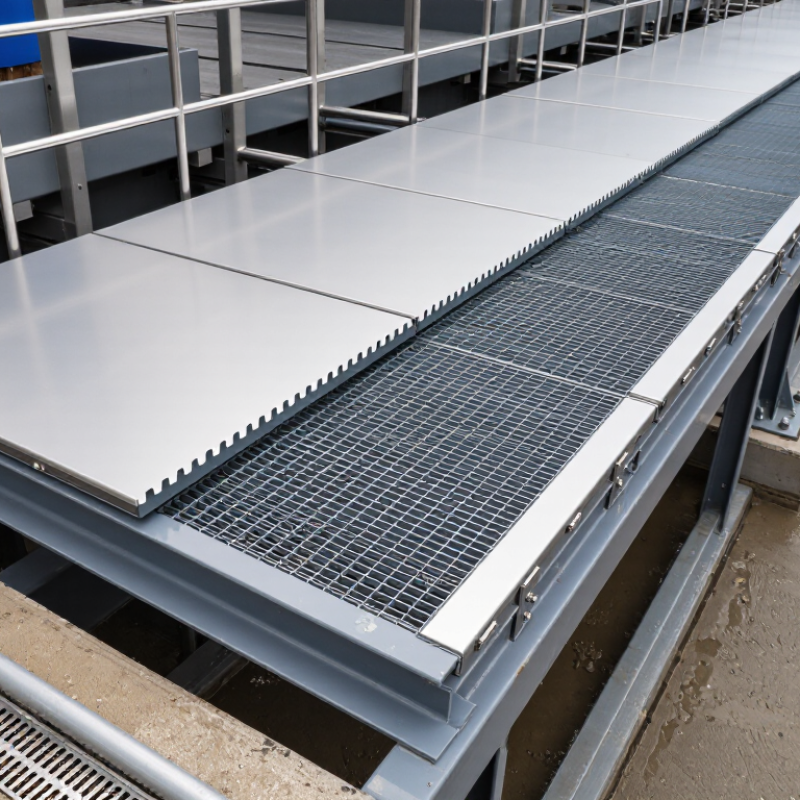
Compound steel grating combines an open steel bar panel with a solid steel plate, usually a checkered plate. The bars carry loads across their supports, while the plate creates a more continuous walking or working surface. Cross bars hold the bearing bars in position, and welds commonly join the plate and grating into one panel. Edge details and fastening methods can vary by design.

The construction matters. Open grating allows drainage and airflow; adding plate reduces openings but increases weight and can affect drainage. NAAMM’s Metal Bar Grating Manual, MBG 531, provides industry guidance on grating design and fabrication. For context, the World Steel Association reported 1,888.2 million tonnes of global crude steel production in 2023 in World Steel in Figures 2024. That figure describes the wider steel industry, not compound-grating performance. I would not judge a panel by appearance alone. Check its bearing-bar size, span, support conditions, and specified load. A neat weld is not a load rating. For wet areas, inspect how water can leave the plate; small details matter.

Assessing Load, Span, and Safety Requirements

Choosing compound steel grating starts with the actual load, not the panel’s appearance. List static equipment weight, moving loads, and concentrated wheel or foot traffic. Include impact where carts or machinery cross the floor. Small details matter. Confirm what “compound” means on the drawings; combinations of grating and plate can behave differently. The ANSI/NAAMM MBG 531-17 Metal Bar Grating Manual provides load and deflection tables by bearing-bar size, spacing, and span. Use the matching table for the specified construction, rather than a generic capacity figure. Measure the real span.

Span changes capacity quickly. Check clear bearing distance, support width, and whether edges are secured. Then compare calculated loads and deflection with the project’s acceptance criteria. A panel may feel firm underfoot yet flex under a wheeled load. That is easy to miss during a walk-through. OSHA’s 29 CFR 1910.22(b)(1) requires walking-working surfaces to support their maximum intended load. Verify that the rating covers the full assembly and installation conditions. Cutouts, corrosion, and uneven supports can reduce performance. Record these conditions, even if the drawing looks tidy. Safety checks should also address openings, slip resistance, and panel movement; the load table alone cannot resolve those risks.

Matching Grating Materials and Finishes to Site Conditions

Choosing compound steel grating starts with the conditions beneath and around it. A covered coastal walkway faces salt, wind-driven rain, and wet shoes. A factory platform may instead encounter oil, cleaning chemicals, or hot debris. These details matter. Carbon steel with hot-dip galvanizing can suit many outdoor areas, while stainless steel may be a better fit where corrosive exposure is persistent. Check the actual chemical and concentration, though; “corrosive” is not specific enough for a reliable material choice.

The finish should match both exposure and use. Galvanizing provides a protective zinc layer, but dragging equipment can wear it at edges and contact points. Painted finishes offer color and an added barrier, yet chips need prompt attention. In damp, dirty locations, open grating helps water and debris pass through. A smooth cover plate may be easier to clean, but can hold moisture or become slippery. Choose a slip-resistant surface where workers regularly step, and confirm that the coating does not reduce drainage.

Look closely at joints, cut edges, and the interface between grating and plate; these spots are easy to overlook. Specify load requirements and panel dimensions alongside material and finish, then ask how repairs will be handled on site. No finish is permanent. Even a carefully selected system can underperform if the coating is damaged during installation or maintenance. A small sample exposed to site cleaners may reveal problems before full installation. It is not a perfect test, but it can prevent an expensive assumption.

Selecting Panel Dimensions, Bar Spacing, and Surface Style

How to Choose the Right Compound Steel Grating

Panel dimensions, bar spacing, and surface style affect safety, fit, and maintenance. Start with the clear span between supports, not the overall platform size. Then confirm bearing-bar direction, seat depth, and cutouts around pipes or posts. NAAMM’s Metal Bar Grating Manual, MBG 531-17, provides load tables for checking grating against span and loading conditions. Use those tables with the actual design load; a panel that fits can still be underspecified.

Spacing depends on what crosses the panel. For accessible routes, the 2010 ADA Standards, section 302.3, limit openings so a 1/2-inch sphere cannot pass through; elongated openings must run perpendicular to the direction of travel. That rule is not a universal spacing requirement for every site. Consider shoes, small wheels, debris, and cleaning needs. Plain bearing bars suit many dry areas; serrated bars can provide extra grip where water or light residue is expected. They are not a substitute for assessing the actual slip hazard.

Tips: Ask for a shop drawing showing panel size, span, bar direction, and surface finish. Check lifting access, too. I still recheck cutout measurements on site; drawings can miss small obstructions.

How to Choose the Right Compound Steel Grating

Compare how bearing-bar spacing and bar width affect the grating’s theoretical open area. A higher open-area percentage allows more light and airflow through the panel.

How to read this chart: Values are calculated as clear gap divided by center-to-center spacing, using 3 mm or 5 mm bearing bars. This simplified comparison excludes cross bars and framing. Choose panel dimensions based on support locations and project loads, and select a surface style to suit the required slip resistance. Confirm final specifications with a qualified engineer.

Checking Standards, Fabrication Options, and Installation Needs

Choosing compound steel grating starts with the actual load and support layout. Record the clear span, bearing direction, point loads, and required opening size. The ANSI/NAAMM MBG 531 Metal Bar Grating Manual provides guidance for selecting and specifying grating; confirm the applicable edition and project requirements. For corrosive or wet areas, specify the finish and coating thickness, not just “galvanized.” ASTM A123/A123M covers hot-dip galvanized coatings on fabricated steel products.

Fabrication affects both performance and fit. Welded or pressure-locked construction, serrated surfaces, banded edges, and attached plate sections suit different loads and site conditions. Ask for load tables tied to the proposed span, and mark every cutout, stair opening, and support on the shop drawings.

The NACE IMPACT study estimated corrosion costs at US$2.5 trillion annually, about 3.4% of global GDP; it also estimated that corrosion-control practices could save 15–35%. Those figures are broad, not a grating-specific forecast, but they underline why coating and drainage choices deserve attention.

Installation details matter. Check bearing length, clip type, fastener access, and whether panels can be lifted for maintenance. Confirm that field cuts receive an appropriate coating repair and that adjacent panels sit level without rocking. Measure twice. Site drawings can be imperfect; verify dimensions on the structure before fabrication, especially around pipes and uneven supports.

Scroll to Top