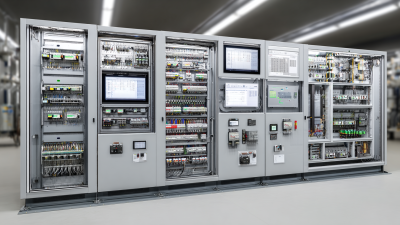
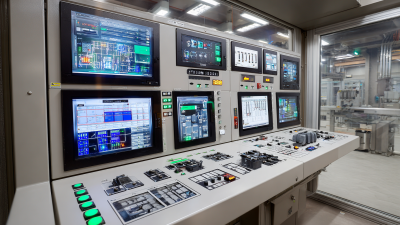
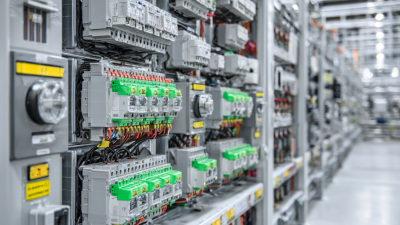
Why Is Control Automation Essential for Modern Industries?
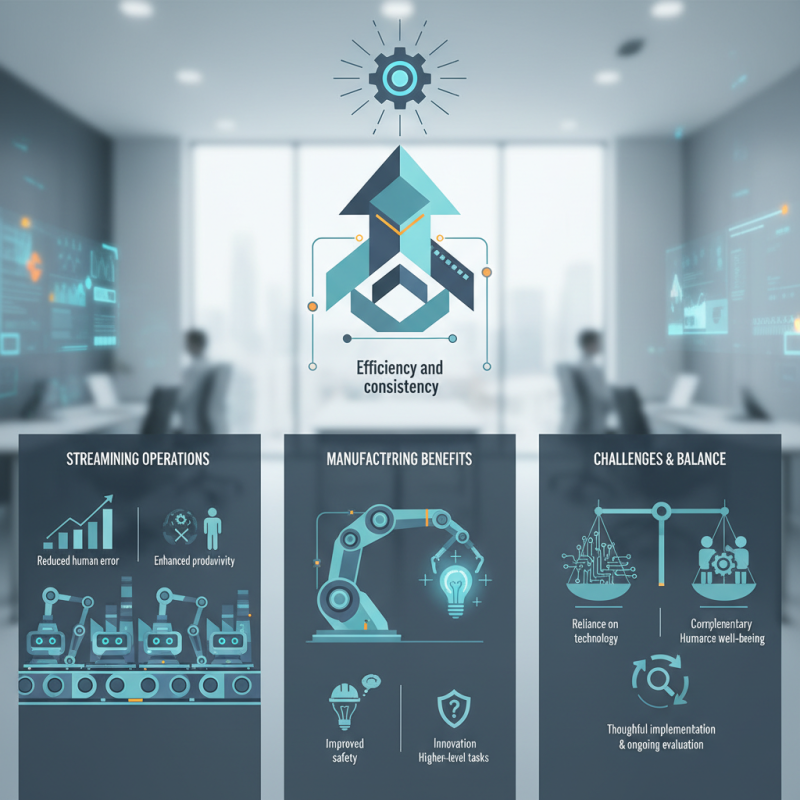
Control automation has become a cornerstone of modern industries. Experts stress its importance for efficiency and consistency. As John Smith, a leading authority in control automation, aptly stated, "Control automation is not just a choice; it’s a necessity for survival in today's competitive market."
With control automation, industries can streamline operations. Automated systems reduce human error and enhance productivity. For instance, in the manufacturing sector, robots work tirelessly. They execute precise tasks that are often challenging for human workers. This leads to not only increased output but also improved safety. Workers can focus on higher-level tasks, creating opportunities for innovation.
However, control automation is not without its challenges. There are concerns about job displacement and reliance on technology. Industries must find a balance, ensuring that automation complements human roles. Embracing control automation requires thoughtful implementation and ongoing evaluation. It's crucial to reflect on how these systems impact both productivity and the workforce's well-being.
The Definition and Scope of Control Automation in Industries
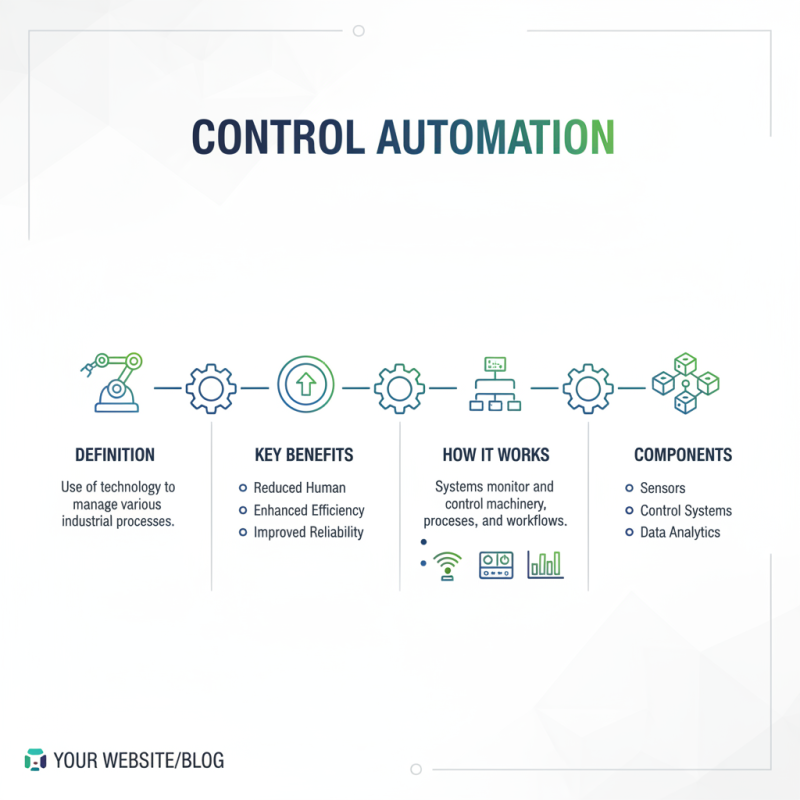
Control automation refers to the use of technology to manage various industrial processes. This technology helps companies reduce human intervention. It can enhance efficiency and reliability. Automation systems monitor and control machinery, processes, and workflows. They often involve sensors, control systems, and data analytics.
Industries today are increasingly relying on automation. It can improve productivity and lower operational costs. The scope of control automation includes manufacturing, energy management, and transportation systems. Each industry has unique needs. For example, in manufacturing, robots may assemble products. In energy, smart grids optimize power distribution. Yet, the integration of automation isn’t seamless. There are challenges, such as workforce displacement and initial setup costs.
The adoption of control automation raises critical questions. How does it affect job availability? Are workers being trained for new roles? Companies must reflect on these issues. Balancing efficiency with human factors is essential. Without proper management, automation may not fulfill its potential benefits.
Key Benefits of Implementing Control Automation in Modern Manufacturing
Control automation has transformed modern manufacturing. By automating processes, industries achieve enhanced efficiency and reduced operational costs. According to a recent report from the International Federation of Robotics, global sales of industrial robots rose by 12% in the past year. This surge illustrates a clear trend: companies prioritize automation.
One significant benefit of control automation is improved accuracy. Manual processes are prone to human error. Automation minimizes this risk. A study by McKinsey shows that automation can reduce errors in manufacturing by up to 80%. This uplift not only saves time but also increases product quality, generating stronger customer trust.
However, the journey to comprehensive automation isn’t without hurdles. Not all industries seamlessly adopt automation technologies. Resistance to change and high initial costs can be barriers. Some companies struggle to integrate these systems with legacy equipment. This integration challenge often demands extra time and resources, leading to frustration. A careful strategy is vital when approaching automation to maximize its potential benefits.
Technological Advances Driving Control Automation Adoption
The rise of control automation in modern industries is undeniable. Technological advances have pushed businesses to adopt smarter, more efficient solutions. Automated systems can now handle complex tasks with remarkable precision. This shift allows companies to minimize human error and maximize productivity.
Innovations in artificial intelligence and machine learning are key drivers. These technologies enable automation systems to learn and adapt, paving the way for improved processes. Sensors and IoT devices collect real-time data, giving businesses better insights into operations.
However, this rapid evolution comes with challenges. Industries must invest in employee training to avoid skill gaps. Automation can lead to job displacement. Workers fear losing their positions to machines. It’s crucial for organizations to address these concerns transparently.
Balancing innovation and social responsibility is essential. Companies must continually reflect on their automation strategies to ensure they benefit both the business and the workforce.
Challenges and Considerations in Control Automation Implementation
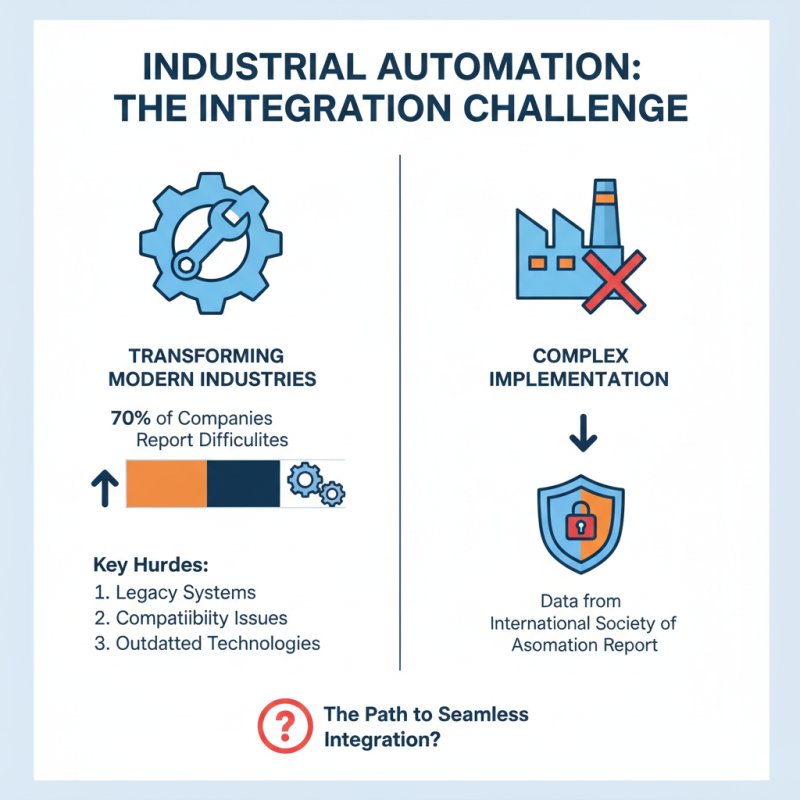
Control automation is transforming modern industries. However, implementing it is complex and filled with challenges. One major hurdle is the integration with existing systems. Many factories still rely on outdated technologies. This creates compatibility issues. According to a report from the International Society of Automation, 70% of companies report difficulties in aligning new automation solutions with their legacy systems.
Another challenge is the workforce skill gap. A McKinsey report states that 30% of jobs could be automated by 2030. Yet, many workers lack the necessary skills to work alongside automated systems. Companies must invest in training programs. This is crucial for effective implementation. The cost can be significant, but failure to address this issue may lead to wasted resources.
Data security is also a concern. Automated systems can be vulnerable to cyber attacks. A 2021 study by the Ponemon Institute revealed that nearly 60% of organizations experience cyber incidents due to automated processes. It's essential for industries to enhance their security protocols. Without proper measures, automation can become a risk rather than a benefit. Addressing these challenges is vital for successful control automation in today's competitive landscape.
Future Trends in Control Automation for Industrial Applications
Control automation is rapidly changing modern industries. As factories adopt more advanced technologies, the future looks bright. However, challenges remain. The integration of AI and machine learning can improve efficiency. Yet, issues around data privacy and system reliability must be addressed. Ensuring that automated systems are secure from cyber threats is critical.
Next, the move towards remote monitoring is significant. Operators can now manage processes from anywhere in the world. This flexibility boosts productivity but raises concerns about accessibility. How do we ensure that all employees can adapt to these changes? Training is essential, but it takes time.
Another trend is the use of IoT devices. They provide real-time data that can enhance decision-making. However, the sheer volume of data can overwhelm teams. Finding effective ways to analyze this information is crucial. Industries must balance automation benefits with potential complexities. Continuous improvement and critical evaluation are keys to success in a rapidly evolving landscape.
Control Automation Adoption in Modern Industries (2023)
This chart illustrates the adoption rates of control automation technologies across various modern industries in 2023. Industries such as Pharmaceuticals and Manufacturing show a particularly high adoption rate, reflecting the critical role automation plays in enhancing efficiency and productivity.