Top Control Systems Engineering Trends to Watch in 2026?
As we look towards 2026, the landscape of control systems engineering is evolving rapidly. Experts predict significant changes driven by advancements in technology and increasing demand for automation. Dr. Jane Smith, a leading figure in this field, once stated, "The future of control systems engineering will hinge on our ability to adapt and innovate."
This statement underscores the importance of flexibility and foresight in the industry. Innovative practices are reshaping how control systems function. With AI and machine learning integration, systems now learn and improve over time. However, existing frameworks face challenges in adapting to these innovations. A balance must be achieved between embracing new technologies and ensuring reliability in existing systems.
Emerging trends such as digital twins and IoT connectivity are gaining traction. They enhance real-time monitoring and predictive maintenance. However, not every company can effectively implement these strategies. Further education and skilled personnel are needed to realize their full potential. As we move forward, control systems engineering must reflect on these challenges while striving for excellence and reliability.
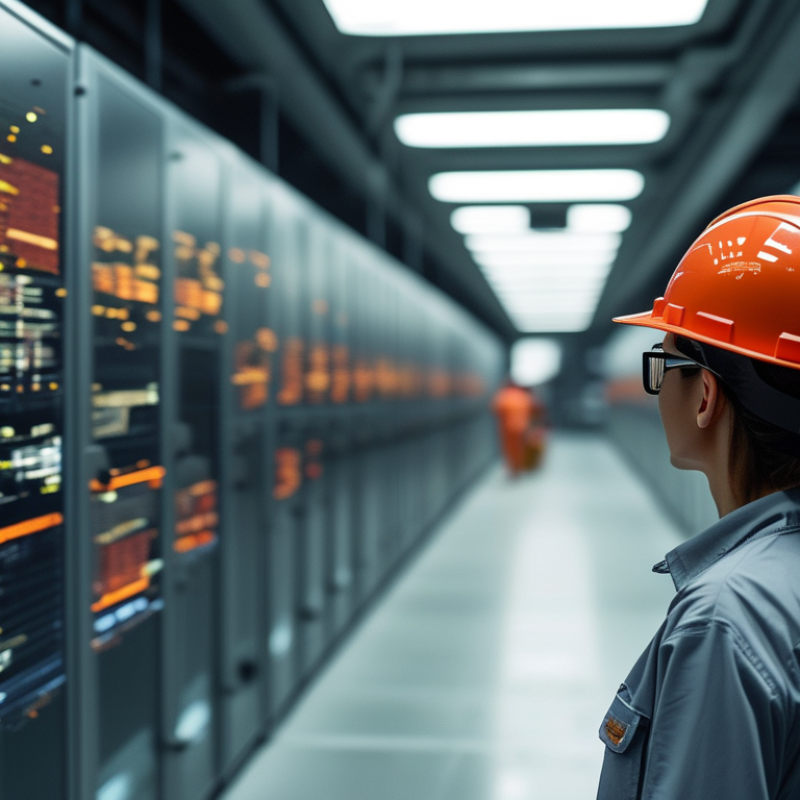
Emergence of Artificial Intelligence in Control Systems Engineering
The rise of artificial intelligence (AI) in control systems engineering is undeniable. By 2026, reports predict that AI will transform various industries by enhancing system efficiency. According to a recent study, 55% of control systems will incorporate AI technologies. This percentage reflects significant investment trends in AI-driven solutions.
AI's capabilities, such as predictive analytics and machine learning, are set to reshape control systems. Engineers can analyze vast amounts of data in real-time, improving decision-making processes. For example, a manufacturing facility can reduce downtime by 30% by using AI for predictive maintenance. However, reliance on AI brings challenges. A lack of transparency in AI algorithms can lead to potential biases or errors.
Moreover, integrating AI into existing infrastructure is not straightforward. Many organizations encounter difficulties due to legacy systems that aren't compatible with modern AI tools. This gap can hinder progress. As companies consider adopting AI, they must prioritize training and reskilling their workforce. Approximately 63% of industry leaders highlight the need for employee adaptability in this evolving landscape. Balancing innovation with practical implementation remains a critical focus for the future of control systems engineering.
Integration of Internet of Things (IoT) in Automation Processes
The integration of the Internet of Things (IoT) in automation processes is set to redefine control systems engineering by 2026. IoT devices provide real-time data, enabling more responsive and efficient automation. Sensors in production lines can monitor machinery health, ensuring preventive maintenance. This is a shift from traditional models reliant on manual checks. Real-time insights can lead to significant cost savings and increased productivity.
However, with increased connectivity comes challenges. Data security becomes critical. More devices mean more potential vulnerabilities. The complexity of integrating diverse systems raises questions about compatibility. Engineers must address these issues in the design phase. Collaboration among teams is essential to create robust security protocols. This adds an extra layer of responsibility for control systems engineers.
As IoT adoption grows, so does the need for training. Engineers must adapt to new technologies and tools. The rapid pace of change can be overwhelming. Continuous education is no longer optional; it’s a necessity. Preparing for these trends requires a proactive mindset. Embracing the challenges of IoT can lead to transformative advancements in automation processes.
Top Control Systems Engineering Trends to Watch in 2026
Advancements in Cybersecurity for Control Systems Frameworks
As control systems evolve, cybersecurity has become a focal point. In 2026, the integration of advanced cybersecurity protocols in control systems will be crucial. According to a recent report by the International Society of Automation, cyberattacks targeting industrial control systems have surged by over 30% in the past year alone. This worrying trend emphasizes the urgent need for robust security measures.
The implementation of artificial intelligence in cybersecurity is gaining traction. AI can enhance threat detection and response times significantly. It processes vast amounts of data, identifying anomalies that human operators might miss. Cybersecurity frameworks must adapt to include these advanced technologies, especially as more devices connect to the Internet of Things (IoT). A study from the Cybersecurity & Infrastructure Security Agency shows that 75% of these IoT devices lack adequate security controls, leaving them vulnerable.
Practicing proactive security measures is essential but challenging. Many organizations underestimate the risks, and many still cling to outdated security protocols. A recent survey found that nearly 40% of control systems’ operators do not regularly update their cybersecurity measures. This complacency can lead to catastrophic failures. Understanding these gaps can guide the development of more resilient control systems.
Top Control Systems Engineering Trends to Watch in 2026 - Advancements in Cybersecurity for Control Systems Frameworks
| Trend |
Description |
Impact |
Projected Adoption Rate (%) |
| Enhanced Threat Detection |
Utilizing AI and machine learning to identify vulnerabilities and threats in real-time. |
Increases system resilience and decreases downtime. |
75% |
| Zero Trust Models |
Implementing security measures based on strict identity verification. |
Improves overall security posture by minimizing risk. |
65% |
| Cloud-based Control Systems |
Migration of control systems to cloud platforms for scalability and efficiency. |
Enhances accessibility and reduces infrastructure costs. |
70% |
| AI-Powered Automation |
Integration of AI to automate control processes and decision-making. |
Increases operational efficiency and decreases human error. |
80% |
| Regulatory Compliance Innovations |
Advancements in compliance tools to keep up with regulatory changes. |
Ensures adherence to compliance standards and reduces legal risks. |
60% |
Sustainability Trends Impacting Control Systems Design and Operations
Sustainability is reshaping control systems design and operations significantly. In 2026, companies will need to align their systems with eco-friendly practices. An industry report estimates that over 70% of manufacturers aim to achieve net-zero emissions by 2030. This pressure compels organizations to innovate their control systems to optimize energy consumption and reduce waste.
Energy efficiency is a primary concern. Control systems now incorporate advanced algorithms to monitor energy use in real-time. Data shows that implementing smart control systems can lead to a 20% reduction in energy costs. However, achieving this ideal balance remains challenging. Many organizations struggle with integrating renewable energy sources into their existing frameworks seamlessly.
Moreover, regulations are becoming stricter. Compliance with global sustainability standards can be daunting. Control system engineers need to navigate these evolving requirements while still enhancing system performance. A recent survey indicated that only 40% of companies feel prepared to meet future regulatory benchmarks. The industry must confront these complexities with proactive strategies and collaborative efforts.
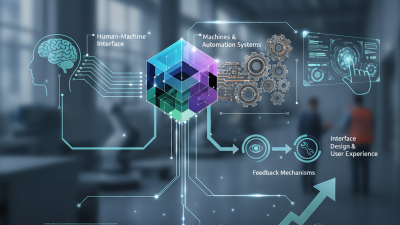
Evolution of Human-Machine Interfaces in Control Systems Technology
The evolution of human-machine interfaces (HMIs) is set to redefine control systems technology by 2026. As industry reports suggest, the global HMI market is expected to reach USD 5.6 billion by that year, indicating a significant growth driven by advancements in automation and user-centric designs. More intuitive interfaces will allow operators to interact with complex systems more efficiently, reducing error rates and improving overall productivity.
Existing HMIs often rely on traditional graphical interfaces, but emerging technologies provide opportunities for more dynamic interactions. Touchless controls, augmented reality, and voice-command systems are gaining traction. However, the integration of these advanced interfaces raises questions about usability and accessibility. In many cases, a steep learning curve can deter operators from fully embracing new systems. It’s essential for developers to consider the user's journey when designing these interfaces.
When creating HMIs, focusing on ergonomics and user feedback can enhance the operation experience. Empowering end users to play a role in design may lead to improved functionality. Industry professionals should be aware that while innovation is crucial, it must also address diverse user needs. Balancing technological advancement with practical application requires ongoing dialogue among stakeholders. Continuous training will also be necessary to ensure that all operators feel comfortable and competent in navigating these new systems.