What is a Dual Check Valve and How Does it Work?
A Dual Check Valve is a crucial component used in various plumbing and industrial systems. It functions to prevent backflow, ensuring that fluids flow in one direction only. This mechanism protects water supplies from contamination. A well-designed Dual Check Valve can enhance system efficiency and safety.
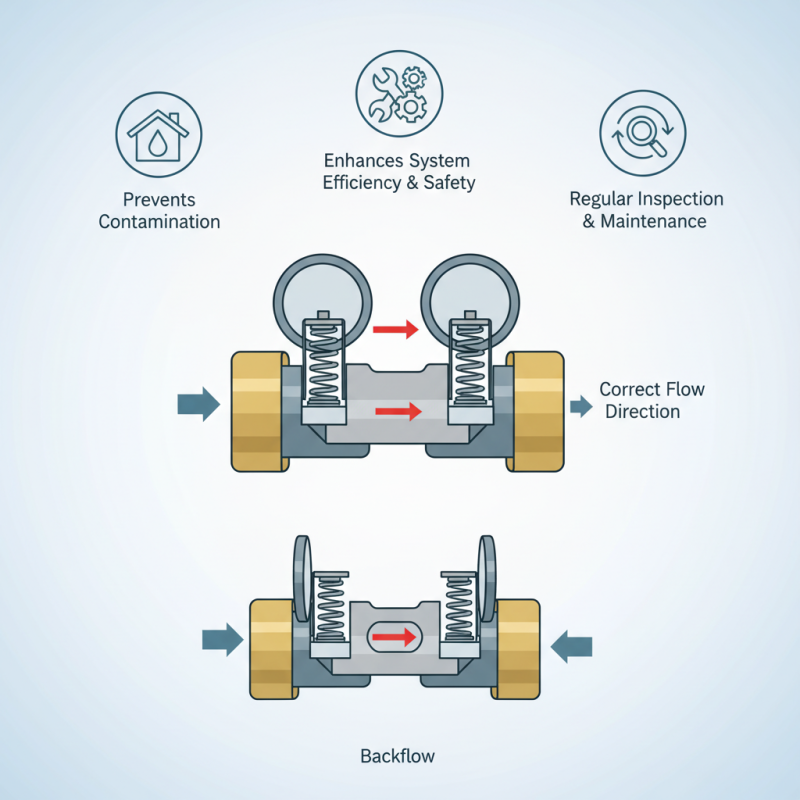
Understanding how a Dual Check Valve operates is essential for proper installation and maintenance. These valves come with two spring-loaded discs. When the flow is in the correct direction, the discs open. If the flow reverses, the discs close tightly. This design minimizes the risk of leaks and failures, safeguarding both users and infrastructure.
Yet, even the best Dual Check Valve can experience issues. Regular inspection and maintenance are vital to ensure functionality. Users should be aware of potential wear and tear. They must also consider the specific applications for which their Dual Check Valves are intended. Recognizing these factors can lead to better performance and longevity.
What is a Dual Check Valve?
A dual check valve is a crucial component in plumbing systems. It prevents backflow, ensuring that water flows in one direction only. This mechanism is vital for protecting water supply against contamination. Essentially, it comprises two check valves arranged in a sequence. When water flows forward, both valves open. If there’s any reverse flow, the valves close to block it.
These valves are often installed in residential and commercial buildings. They play an essential role in maintaining water quality. The design prevents harmful substances from entering potable water systems. Regular maintenance checks are important. Sometimes, debris can clog the valves. This blockage can lead to inefficiencies in the water supply.
Understanding how dual check valves operate is important for any property owner. Proper installation is critical; an incorrectly placed valve can fail. It's also essential to periodically inspect these valves. Some might overlook this task, thinking they are working fine. However, neglecting regular checks can lead to larger plumbing issues.
The Purpose and Function of a Dual Check Valve
A dual check valve is an important component in many piping systems. Its primary purpose is to prevent backflow and ensure that fluids only move in one direction. This is vital in various applications, such as irrigation, plumbing, and industrial processes. The design typically includes two check mechanisms. They work together to offer reliable protection against reverse flow, which could contaminate clean water supplies.
The dual check valve uses pressure differentials to operate. When fluid flows in the intended direction, it pushes against the valve seats, keeping them open. Conversely, if a backflow occurs, the pressure drops, and the valves close tightly. This design enhances reliability. Maintenance, however, is necessary to ensure optimal performance. Debris or wear over time may hinder the valve's function. Regular inspections can help identify potential issues before they escalate.
Despite their effectiveness, dual check valves may not be foolproof in all scenarios. Environmental factors can influence their performance. For example, extreme temperatures can affect the materials used in the valve. Users often find themselves needing to balance cost with quality. A well-functioning dual check valve is crucial for system integrity. Choosing the right installation site is just as important as selecting the valve itself.
How a Dual Check Valve Operates Mechanically
A dual check valve is an essential component in many plumbing systems. It prevents backflow, ensuring that contaminated water does not enter clean water sources. Understanding how it operates mechanically is crucial for both homeowners and professionals.
The dual check valve consists of two independent check mechanisms. Each one allows flow in one direction only. When water flows in the intended direction, the valves open, permitting smooth passage. If the flow reverses, the valves close tightly. This design minimizes the risk of backflow, which can lead to health hazards.
Interestingly, while these valves are reliable, they aren't foolproof. Over time, debris can build up, hindering their mechanical functionality. Regular maintenance is essential to keep them operating correctly. A simple check of the valve can highlight any potential issues. Proper installation and routine inspections enhance their reliability. While dual check valves are largely effective, acknowledging their limitations is vital for any plumbing system.
What is a Dual Check Valve and How Does it Work?
| Feature | Description |
| Function | Prevents backflow of fluids in plumbing systems. |
| Components | Two check valves and a central chamber. |
| Operation | Fluid pressure opens the upstream valve, while the downstream valve closes. |
| Applications | Used in water supply, irrigation, and HVAC systems. |
| Materials | Commonly made from brass, PVC, or stainless steel. |
| Advantages | Compact design, reliability, and reduced risk of contamination. |
| Maintenance | Minimal maintenance required; periodic checks advised. |
Applications of Dual Check Valves in Various Industries
Dual check valves play a crucial role in various industries by preventing backflow and ensuring fluid safety. In the water and wastewater management sector, for instance, these valves are vital. According to industry reports, improper fluid flow can lead to contamination in drinking water systems. Installing dual check valves mitigates such risks, safeguarding public health.
In HVAC systems, dual check valves are essential for maintaining pressure and preventing reverse flow. A study highlighted that around 15% of energy inefficiencies in HVAC systems stem from improper valve functioning. Ensuring that dual check valves operate effectively can enhance efficiency while reducing operational costs.
Tips: Regular maintenance of dual check valves is critical. Neglect can lead to costly repairs and system failures. Monitoring their performance can yield significant savings. Always consider the specific application to select the right valve type.
Advantages of Using Dual Check Valves in Plumbing Systems
Dual check valves are essential components in plumbing systems. They play a critical role in preventing backflow, ensuring that water flows in one direction only. This design helps protect potable water supplies from contamination. Understanding their advantages can help you make better choices for your plumbing needs.
One significant advantage of dual check valves is their reliability. They operate smoothly, creating a seal to block backflow. This reduces the risk of waterborne contaminants. In many systems, they require little maintenance. Their straightforward mechanics make for easy installation and replacement.
Tips: Regularly inspect your dual check valves. Look for signs of wear or leakage. Ensuring proper functioning can help avoid costly repairs later. Additionally, consider the valve's location. It should be accessible for any necessary maintenance.
Another benefit is their versatility. Dual check valves can be used in various plumbing settings. They work effectively in residential and commercial systems. This adaptability can save you from having to use multiple devices.
Tips: Always consult with a plumbing professional before making any changes. They can provide insights specific to your system. Understanding your unique plumbing needs will lead to better decisions.

