
What Is Dubai Full Container DDP Shipping?
Dubai Full Container Ddp shipping means arranging a complete container shipment to Dubai with the seller responsible for transport, import clearance, and applicable duties and taxes under the agreed DDP terms. The container may carry furniture, machinery, or retail stock, sealed at origin and delivered to the named destination. The buyer still needs to confirm the delivery address, unloading arrangements, and any product-specific requirements.
DDP can make budgeting simpler, but it does not remove every uncertainty. Port congestion, incorrect paperwork, or an unclear delivery point can affect timing and cost. The International Chamber of Commerce’s Incoterms® rules provide the framework; the sales contract should specify the exact named place and responsibilities. Check what the quoted price includes.
A useful reminder is: “DDP is only as clear as the destination and charges written into the agreement.” I can’t verify a named Dubai shipping expert who said that, so it should not be published as a real quotation. Before booking, ask the forwarder for a written breakdown covering ocean freight, customs clearance, duties, taxes, and final delivery. A few careful checks matter. In practice, even experienced importers can overlook unloading or site-access details. Those small gaps deserve a second look.
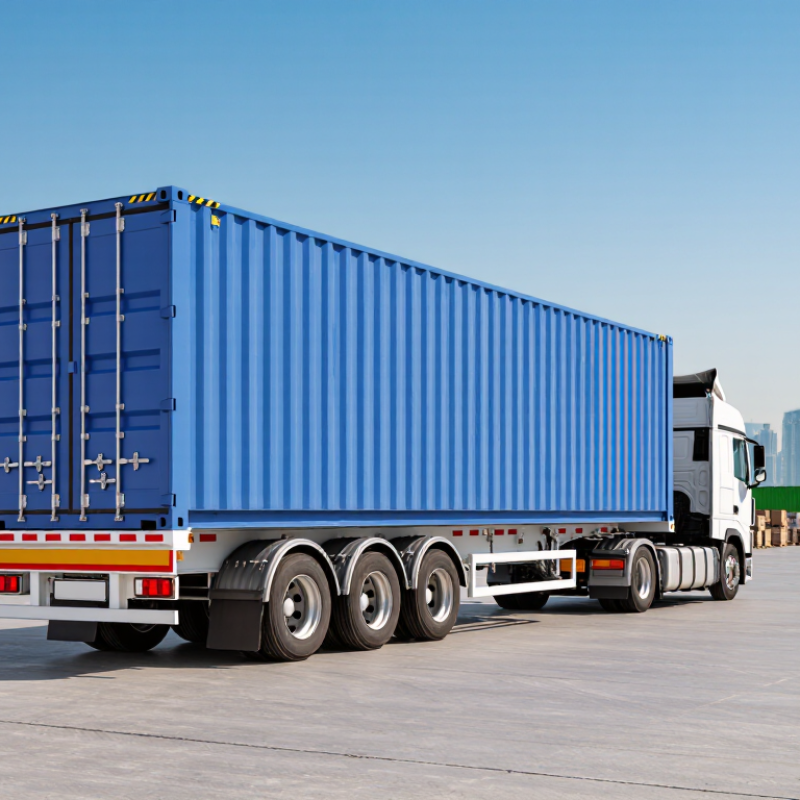
What Is Dubai Full Container DDP Shipping Under Incoterms® 2020?
What Is Dubai Full Container DDP Shipping?
What Is Dubai Full Container DDP Shipping Under Incoterms® 2020?
Under Incoterms® 2020, DDP means the seller takes responsibility for delivering the goods to the named destination, cleared for import. For a full container shipment to Dubai, that destination should be specific, such as a warehouse address, not simply “Dubai.” The seller arranges transport and handles applicable import clearance, duties, and taxes.
The buyer receives the container at the agreed place. Unloading is generally the buyer’s responsibility unless the transport arrangement says otherwise. Small details matter: confirm who books the delivery slot, whether the site can accept a full-size truck, and how much free time applies. Port storage and container detention can add costs when paperwork or unloading is delayed.
DDP can simplify budgeting, but it is not automatically the safest choice. The seller must be able to manage import clearance and understand the relevant local requirements. If that is impractical, the parties may consider DAP instead, with the buyer handling import clearance and charges. Incoterms set delivery responsibilities, not ownership or payment terms. Put the named place and cost responsibilities in writing. I would check those details twice; “delivered” can mean different things to each side.

How Does DDP Cover Import Clearance, Duties, and Delivery?
For a full container shipment to Dubai, DDP means the seller arranges transport and, under the agreed Incoterms® rules, handles import clearance, applicable duties and taxes, and delivery to the named destination. The container may travel by sea to a UAE port, then move by truck to a warehouse or other agreed address. DDP does not mean every possible charge is automatically included. The contract should name the destination and clarify any special handling or unloading costs.
At import, the seller or its appointed agent submits shipment documents and pays assessed duties and taxes where permitted. Customs may request accurate invoices, product descriptions, or additional documents, so delays are still possible. After release, the seller arranges onward delivery. The buyer should confirm who can act as importer and whether the seller can complete local formalities. Details matter. Even a small mismatch in cargo value or consignee information can hold a container at the terminal.
Tips: Before booking, ask for a written breakdown covering clearance, duties, taxes, port handling, and final trucking. Check the delivery address and unloading arrangements. Keep invoices and packing details consistent. DDP can simplify coordination, but it does not remove the need to review the shipment terms; I would verify exclusions rather than assume the quoted price covers every cost.
What Is Dubai Full Container DDP Shipping? — How Does DDP Cover Import Clearance, Duties, and Delivery?
| Shipping Detail | How It Works Under DDP | Practical Notes for Dubai FCL Shipments |
|---|---|---|
| Meaning of DDP | Delivered Duty Paid (DDP) is an Incoterms® rule under which the seller arranges and pays for delivery to the named destination and takes responsibility for export and import formalities, including applicable duties and taxes. | The sales contract should identify the precise delivery point in Dubai, such as a named warehouse or other agreed location. |
| Full Container Load (FCL) | FCL means the shipment uses a container booked for one shipper’s cargo. It describes the container arrangement; it does not change which party has DDP responsibilities. | Container size, cargo weight, equipment availability, and carrier or terminal limits affect the shipment plan. |
| Export clearance | The seller is responsible for export clearance in the country of dispatch and for providing the required shipping and export documents. | Documents commonly include a commercial invoice, packing list, and transport document. Additional permits or certificates may be required for particular goods. |
| International transport | The seller arranges and pays for carriage to the agreed destination, including the sea freight and any transport stages included in the contract. | Transit time depends on the origin, route, carrier schedule, transshipment, and port conditions; it should be confirmed for each shipment. |
| Dubai import clearance | The seller is responsible for arranging import clearance under DDP, including the import procedures required for the shipment. | Customs entry requires accurate product descriptions, values, origin details, and any applicable tariff classifications or permits. The seller and buyer should confirm who can legally act as importer or customs representative. |
| Customs duty | Applicable import customs duties are for the seller to pay under DDP. | Rates depend on the goods, customs classification, origin, and any applicable exemptions or special rules. Many goods entering the UAE are commonly subject to a 5% customs duty, but this is not a universal rate. |
| Import VAT and other charges | Import taxes and charges that are the seller’s responsibility under the agreed DDP arrangement should be accounted for in the seller’s price and paid as required. | The UAE’s standard VAT rate is 5%; the treatment of a specific import can vary. Confirm the applicable tax treatment and any port, inspection, or customs-related charges before shipment. |
| Delivery to the named place | The seller bears the cost and risk of bringing the goods to the agreed destination, ready for unloading. | Under DDP, unloading at the destination is generally the buyer’s responsibility unless the parties agree otherwise. Specify whether the destination is a port, terminal, warehouse, or another location. |
| Risk transfer | Risk generally transfers from seller to buyer when the goods are placed at the buyer’s disposal at the named destination, ready for unloading. | Costs and risk do not necessarily transfer at the same point in every transport contract; make the named place and handover arrangements clear. |
| Buyer’s role | The buyer receives the shipment and provides reasonable information or cooperation needed for import formalities. | The buyer should confirm its ability to receive the container, arrange unloading, and meet any local requirements that remain its responsibility. |
| Goods requiring permits or special handling | DDP does not remove regulatory requirements for the goods or guarantee that they can be imported. | Restricted, regulated, hazardous, or controlled products may need approvals, permits, inspections, or special transport arrangements before dispatch. |
| When DDP may be difficult | DDP requires the seller to manage import formalities and pay import charges. In some situations, the seller may not be able to act as importer or complete local tax and customs procedures. | Confirm import eligibility and tax arrangements before booking. If the seller cannot meet DDP obligations, the parties may need to agree on another delivery rule, such as DAP, with responsibilities documented clearly. |
Which FCL Size Fits: 20-Foot ≈33 m³ or 40-Foot ≈67 m³?
With Dubai full-container DDP shipping, the seller arranges carriage and import clearance. The seller also pays agreed duties and taxes for delivery to the named place. The sales contract should specify that destination and clarify whether unloading is included. FCL reserves an entire container for one shipment, which can reduce handling transfers. But volume isn’t everything.
A 20-foot container offers about 33 m³; a 40-foot unit offers about 67 m³, depending on container type. These are approximate internal volumes, not a promise that every cubic metre is usable. Cartons, pallets, fragile gaps, and door access all affect loading. Measure packed cargo, then compare its total volume and gross weight with the container’s limits. A 40-footer nearly doubles the space, but it may not suit every shipment. Heavy goods can reach weight limits while space remains. Easy to misjudge. Ask the freight provider to verify dimensions, packing method, route, and destination charges in writing before booking. That check may feel fussy. It can prevent an expensive mismatch.
What Dubai Import Charges Apply: Typically 5% Duty and 5% VAT?
For a full-container DDP shipment to Dubai, budget for customs duty and VAT, but treat 5% as a typical rate, not a universal promise. Dubai Customs generally applies 5% duty to many goods, calculated on the customs value, which commonly includes cost, insurance, and freight. The UAE Federal Tax Authority’s VAT guidance sets the standard VAT rate at 5%; import VAT is generally calculated on the customs value plus customs duty and other applicable charges. Not always. Product classification, origin, and exemptions can change the result. The WTO’s World Tariff Profiles 2024 also presents tariffs by product and country, reinforcing why one headline rate cannot cover every shipment.
With DDP, the seller is normally responsible for import clearance and applicable charges. Ask for a written breakdown showing the HS code, declared customs value, duty, VAT, and any clearance fees. For example, a duty charge can increase the value used to calculate VAT, so adding two simple 5% figures may understate the landed cost. A small mismatch between the invoice and shipping documents can also delay clearance. This detail is easy to overlook.
Tips: Before loading, request a sample landed-cost calculation and confirm which charges the DDP quote excludes. Check the current Dubai Customs tariff for the exact HS code; rates and procedures may change.
How Does the Shipment Move from Booking to Final Delivery?
What Is Dubai Full Container DDP Shipping?
How Does the Shipment Move from Booking to Final Delivery?
The process starts when the shipper confirms the cargo details, container size, pickup address, and Dubai delivery point. A freight booking is then arranged around the vessel schedule and port cut-off dates. Small timing errors matter. Missing a cut-off can push the container to a later sailing. Before loading, the goods are packed, counted, and secured, while the commercial invoice and packing list are checked against the shipment.
The loaded container travels to the export port, clears export procedures, and moves by sea to Dubai. During transit, the parties track the vessel and prepare destination documents. Under DDP, the seller is generally responsible for import clearance, applicable duties and taxes, and delivery to the agreed location. The exact charges and service scope should be confirmed in writing; “door delivery” can mean different things at different addresses.
After arrival, the container is released once required checks and payments are complete. A local truck then carries it to the delivery site, where access, unloading equipment, and receiving hours can affect the handoff. Keep someone available to inspect the container and note visible damage before signing. This stage is not always neat: port congestion or a tight delivery site can change the plan, even when the paperwork is correct.
Dubai Full Container DDP Shipping: Booking to Final Delivery
How to read this: Each bar shows an illustrative planning range in days for one shipment stage. Under DDP (Delivered Duty Paid), the seller is responsible for arranging delivery and handling import clearance, duties, and taxes as agreed under the contract. Actual timings depend on the origin, route, carrier, documentation, and customs or inspection requirements. Some steps can overlap, so the bars should not be added together as a guaranteed total transit time.

