How to Achieve Effective Distribution Control in Business?
In today's competitive landscape, effective distribution control is crucial for business success. It involves managing how products reach customers efficiently. Businesses often struggle with this aspect, facing challenges like inventory mismanagement and poor logistics. A well-structured distribution control system can significantly minimize these issues.
Setting clear objectives is key. Companies must define their distribution goals based on customer needs and market demand. This clarity helps avoid confusion and inefficiencies in the supply chain. However, many businesses overlook the importance of regular audits. Neglecting this can lead to inventory discrepancies and lost sales opportunities.
Technology plays a vital role in distribution control. Tools like inventory management systems and data analytics provide valuable insights. They help identify bottlenecks and optimize routes. Yet, with so many options, businesses can feel overwhelmed. Finding the right tools requires careful consideration of specific needs. Continuous evaluation is essential for adapting to market changes. Many organizations could reflect on their current strategies and identify areas for improvement.

Understanding Distribution Control in Business
Effective distribution control is vital for business success. Understanding the dynamics of distribution channels can help improve product reach. According to industry research, companies with robust distribution strategies see up to a 20% increase in sales. Proper management reduces waste, increases customer satisfaction, and enhances brand loyalty.
Maintaining control over distribution often proves challenging. Many businesses struggle with inventory management and logistics. A survey revealed that 65% of supply chain disruptions stem from inadequate distribution practices. This highlights the need for continuous evaluation of distribution networks. Businesses must analyze performance metrics regularly. Understanding what works and what doesn't is crucial for improvement.
Some companies fail to adapt to changing market demands. They tend to stick to outdated distribution methods. Flexibility is essential in today’s fast-paced environment. A rigid approach can lead to missed opportunities and loss of competitive edge. Companies should invest in technology and training. This helps in refining distribution processes and achieving greater efficiency. Having a clear vision for distribution can prevent costly mistakes in the long run.
Key Components of an Effective Distribution System
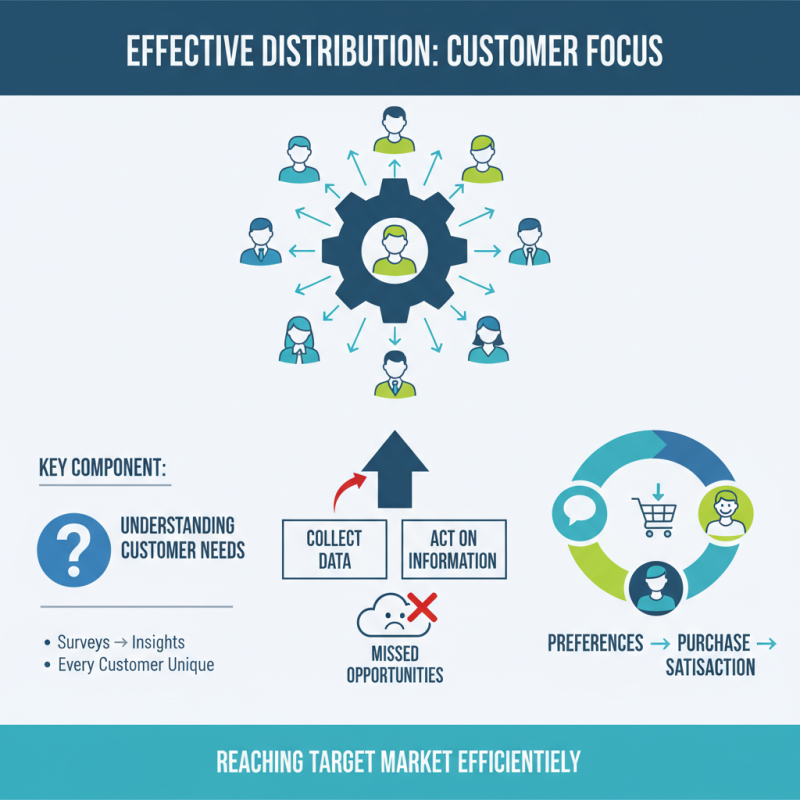
An effective distribution system is crucial for any business aiming to reach its target market efficiently. One key component is understanding customer needs. Every customer is unique. Conducting surveys can provide insights into preferences. Yet, simply collecting data isn’t enough. Businesses often struggle to act on this information, which can lead to missed opportunities.
Inventory management plays a vital role in distribution control. It ensures that products are available when needed, reducing delays. However, many businesses face challenges in maintaining optimal stock levels. Too much inventory can tie up capital. Too little can result in stockouts, disappointing customers. Finding the right balance requires constant evaluation.
Logistics is another critical element. It involves the movement of goods from warehouses to customers. Poor logistics can damage a brand’s reputation. Yet, many companies overlook the importance of adaptable logistics systems. They often rely on outdated methods that may not cater to changing demands. Embracing technology can enhance efficiency, but implementation can be tricky and costly. This is a reflection point for many businesses.
Strategies for Optimizing Distribution Channels
To optimize distribution channels effectively, businesses need to analyze their existing processes. Understanding the strengths and weaknesses of various distributors can reveal gaps. Some channels might work well, while others falter under pressure. Regularly assessing performance can highlight what needs adjustment.
Diversifying distribution channels aids in reaching a broader audience. Relying on a single channel can lead to vulnerabilities. A multi-channel approach allows businesses to test different methods. For example, online delivery versus in-store pickup can yield different results. It’s essential to experiment and observe which routes yield higher satisfaction while balancing costs.
Regular communication with all partners is vital. Misalignment can create frustrations that hinder growth. Encourage feedback from both distributors and customers for fresh insights. Reflecting on this feedback can guide improvements. Not every attempt will succeed, and that’s okay. Learning from the missteps is a part of the journey to streamline distribution effectively.
Measuring and Analyzing Distribution Performance
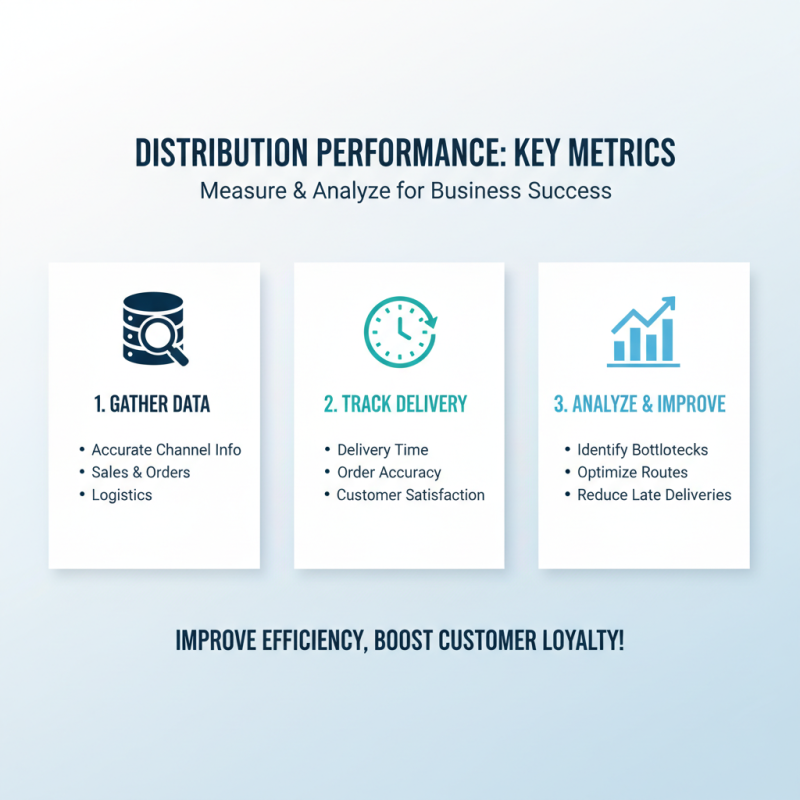
Measuring and analyzing distribution performance is vital for any business. To start, gather accurate data on your distribution channels. Here are some important metrics to consider. Track delivery times and accuracy. A late delivery can frustrate customers. Monitoring these factors helps you find problem areas.
Tips: Use software tools to streamline data collection. Visualization tools can help you see patterns quickly.
Next, evaluate inventory turnover rates. If products sit too long, it may indicate poor distribution strategies. Compare this with sales data to identify trends. Are certain items harder to move? Understanding the reasons can guide adjustments.
Tips: Regularly review these metrics. Frequent checks can reveal shifts in performance that require immediate action.
Reflect on feedback from your distribution team. Sometimes their insights offer crucial details that reflect market changes. Poor communication can lead to missed opportunities. Ask for their input to foster a collaborative approach, promoting better strategies.
Adapting Distribution Control to Market Changes
In today's fast-paced market, adapting distribution control is crucial. Businesses must respond quickly to changes in demand. According to a recent report, companies that use real-time data for distribution see a 30% increase in efficiency. This agility helps them adjust inventory levels and improve customer satisfaction.
However, many organizations struggle with alignment. They often stick to old strategies and miss opportunities. For instance, a survey revealed that 40% of businesses lack a proactive approach to market trends. This can lead to excess stock or insufficient supply. It proves that flexibility is not just beneficial; it’s necessary.
Moreover, collaboration with suppliers can enhance distribution control. A shared platform fosters communication and quick adjustments. A study shows that integrating supply chain efforts can reduce lead times by up to 25%. Yet, managing these partnerships can be challenging. Miscommunication often happens, creating delays. Businesses need to reflect and improve these relationships to adapt effectively.
Related Posts
-
Top Strategies for Effective Distribution Control in Global Supply Chains
-

How to Achieve Effective Distribution Control in Supply Chain Management
-

How to Optimize Manufacturing Control Systems for Increased Efficiency and Productivity
-
What is a PLC Control System and How Does it Work?
-
What is Control Engineering and Why It Matters in Modern Industry
-

2025 Top Power Control Systems: Innovations Driving Efficiency and Reliability