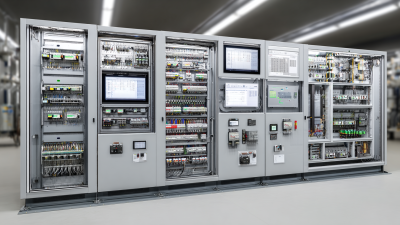
Top 5 Essential Control Panel Drawings You Need for Your Projects
In the realm of engineering and project management, the significance of precise documentation cannot be overstated. Among the various types of drawings that contribute to the successful execution of a project, control panel drawings stand out as essential elements that facilitate efficient design, installation, and operation of electrical systems.
 These drawings serve as a visual representation of the layout, components, and connections of control panels, guiding engineers and technicians in their tasks and ensuring that systems function seamlessly.
As we explore the "Top 5 Essential Control Panel Drawings You Need for Your Projects," it becomes evident that investing time and resources in the creation of these vital documents is critical for achieving project objectives. Each drawing type plays a unique role, from conveying the overall schematic to detailing specific wiring connections, thereby minimizing errors and enhancing communication among team members.
In this overview, we will delve into the drawings that are indispensable for any project involving control panels, showcasing their importance in streamlining processes and bolstering the integrity of electrical systems. Let us uncover the top selections that will empower your projects in the coming years.
Essential Components of Control Panel Schematics
Control panel schematics are crucial for the smooth operation of any electrical system. These drawings not only serve as a roadmap for engineers and technicians but also play a vital role in ensuring safety and compliance with industry regulations. According to a report by the National Electrical Manufacturers Association (NEMA), 80% of electrical failures can be attributed to improper installation and maintenance practices that stem from inadequate schematics. Thus, having detailed and accurate control panel drawings is essential for both new projects and ongoing maintenance.
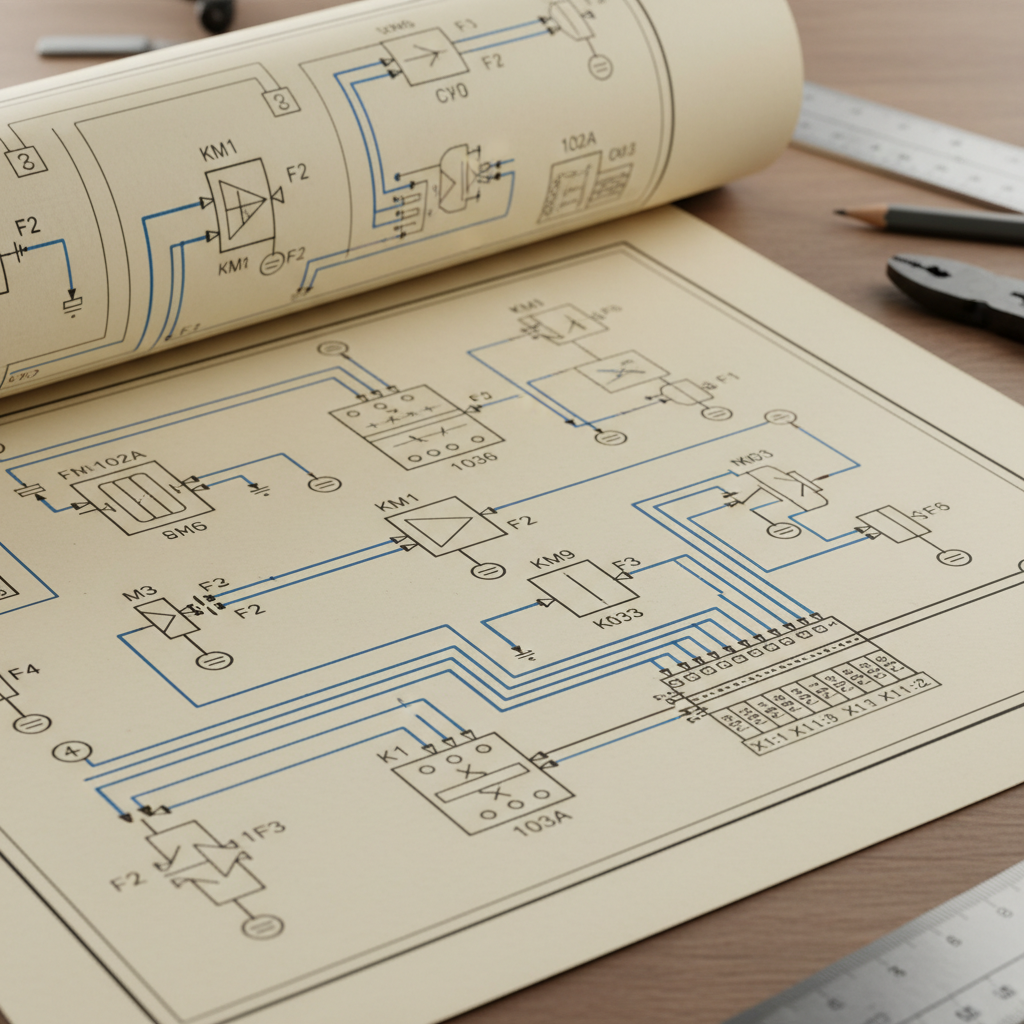
Key components of effective control panel schematics include wiring diagrams, component layout, and terminal block diagrams. Wiring diagrams are fundamental, providing an overview of how various components are interlinked, which minimizes the risk of errors during installation. The component layout helps in identifying the physical position of each device, allowing for better space management and accessibility during troubleshooting. Furthermore, terminal block diagrams highlight the connection points, facilitating easier maintenance and faster diagnostics. As reported by the Institute of Electrical and Electronics Engineers (IEEE), incorporating clear schematics can reduce troubleshooting time by up to 30%, significantly enhancing operational efficiency.
Key Design Techniques for Effective Control Panel Layouts
When creating effective control panel layouts, the application of key design techniques is crucial for ensuring functionality and efficiency. One fundamental technique is maintaining a clear hierarchy in component arrangement. By organizing components according to their operation frequency and significance, engineers can enhance accessibility and reduce potential errors during maintenance or operation. For instance, placing frequently accessed controls within easy reach and grouping similar functions together can streamline user interaction with the panel.
Another essential design technique is adhering to standardized symbols and labeling. Consistency in the use of symbols not only helps in avoiding confusion but also ensures that anyone interacting with the panel can quickly understand its operation. Clearly labeled sections and components facilitate efficient troubleshooting and maintenance, making it vital for any effective control panel layout. Additionally, considering environmental factors such as lighting, dust, and temperature can influence layout decisions, ensuring that the panel functions optimally in varying conditions. By implementing these techniques, designers can create control panels that are user-friendly, intuitive, and efficient, enhancing overall project success.
Top 5 Essential Control Panel Drawings You Need for Your Projects
This bar chart illustrates the importance of various control panel design techniques based on recent survey data from engineering professionals.
Must-Have Electrical Symbols for Control Panel Documentation
When creating control panel documentation, understanding essential electrical symbols is crucial for communication and clarity in design. These symbols serve as a universal language among engineers, electricians, and technicians, ensuring everyone involved can interpret the drawings accurately. Common symbols such as switches, circuit breakers, and relays must be clearly defined to avoid potential miscommunication that could impact the functionality and safety of a project.
In addition to basic symbols, incorporating specific notations for different types of connections and wiring methods is equally important. Symbols representing power sources, grounding mechanisms, and control circuits enhance the comprehensiveness of control panel drawings. Furthermore, the use of standardized symbols streamlines the documentation process, allowing for faster revisions and more efficient project completion. Therefore, ensuring you have the right electrical symbols at your disposal is not just a recommendation but a necessity for every successful control panel project.
Best Practices for Labeling and Marking Control Panel Drawings
Effective labeling and marking in control panel drawings are crucial for ensuring clarity and ease of use. Each component must be clearly identified, using standardized symbols and terminology that align with industry conventions. This not only aids technicians in understanding the layout but also ensures compliance with regulatory standards. A consistent labeling scheme, which includes tag numbers, wire labels, and equipment identifiers, eliminates confusion and facilitates efficient troubleshooting and maintenance.
Moreover, incorporating color-coding into your control panel drawings enhances readability. Different colors can be assigned to various types of signals, such as power, control, and ground, assisting users in quickly discerning the function of each element. Additionally, it’s essential to include a legend or key that explains the symbols and color codes used in the drawing. This practice not only improves usability but also serves as a valuable reference for new team members or external contractors who may not be familiar with the specific project. By prioritizing thoughtful labeling and marking, you lay a solid foundation for effective project execution and long-term operational reliability.
Tips for Ensuring Compliance in Control Panel Design Drawings
When designing control panel drawings, particularly for projects in small blocks, ensuring compliance with fire safety standards is paramount. A recent report from the National Fire Protection Association highlights that improper electrical design is a leading cause of fires in commercial buildings. Adhering to established guidelines not only safeguards property but also protects lives, making compliance critical for any project.
To ensure your control panel design drawings meet fire safety regulations, consider these essential tips. First, identify and incorporate the necessary fire-rated materials in your design, ensuring that all components can withstand high temperatures. Second, maintain adequate spacing between electrical components to prevent overheating and allow effective heat dissipation. Lastly, perform a thorough review of local building codes and regulations, as these can vary significantly and may impose additional requirements.
Incorporating these measures into your control panel design can significantly enhance fire safety. As reported by the Electrical Safety Foundation International, nearly 50% of electrical fires could be prevented by following proper installation protocols and compliance standards. Careful attention to these details will help you create safer and more reliable control panels for your projects.