10 Essential Tips for Choosing Control Panel Solutions
Choosing the right control panel solutions is crucial for any business. As Mark Stevens, a leading expert in industrial automation, once said, "The right control panel can make or break operational efficiency." Businesses often overlook the importance of proper selection, which can lead to costly errors.
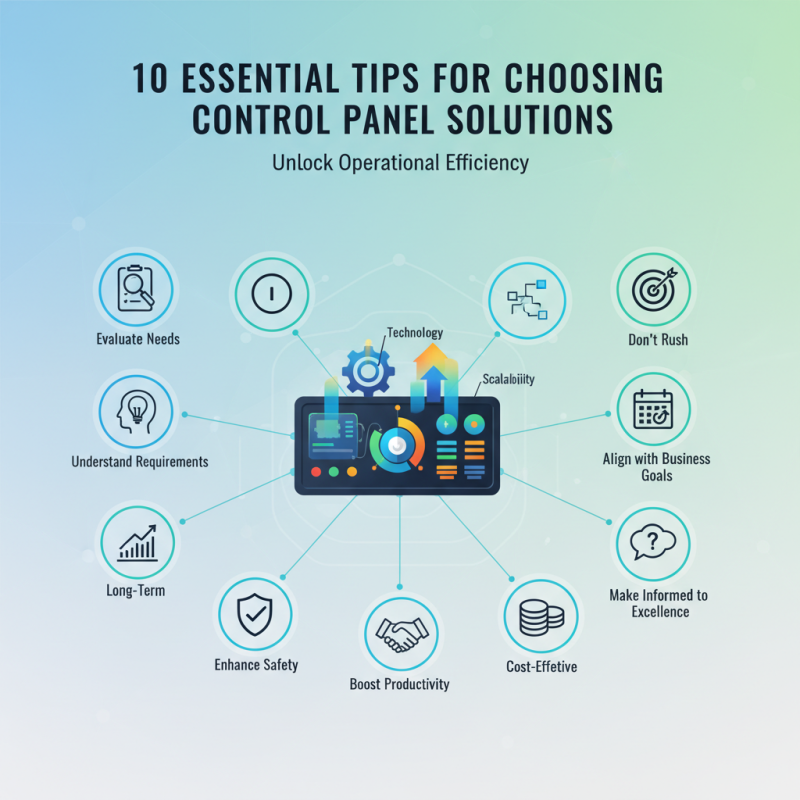
A well-designed control panel can enhance productivity and ensure safety. Take the time to evaluate your needs. Don't rush this decision; it can transform your operations. Many factors come into play, including technology, functionality, and scalability.
It’s easy to get lost in the technical details. However, understanding the requirements is vital. Each choice must align with your business goals. Emphasize the long-term impact of your decision. Investing in high-quality control panel solutions is a commitment to excellence. Reflect on your specific needs and make informed choices.
Understanding the Importance of Control Panels in Automation Systems
Control panels play a crucial role in automation systems. They serve as the centralized point where users can monitor and manage various automated processes. Understanding their importance is essential for anyone involved in system design or maintenance. A well-designed control panel can enhance operational efficiency and reduce downtime.
When choosing a control panel solution, consider its design and usability. The layout should be intuitive, making it easier for operators to navigate. A confusing interface can lead to errors and accidents. Think about how information is displayed. Clear, concise indicators are vital for quick decision-making. Users should not have to sift through excessive data to find critical information.
Another aspect to reflect on is the compatibility with existing systems. Many businesses upgrade without evaluating compatibility risks. This can cause disruptions and operational challenges. Regular reviews of current systems and control solutions can expose potential gaps. Such assessments may highlight areas needing improvement. Overall, the selection of a control panel should focus on functionality, usability, and integration capabilities. Each choice made can significantly impact the automation system's performance.
10 Essential Tips for Choosing Control Panel Solutions - Understanding the Importance of Control Panels in Automation Systems
| Tip Number | Tip | Description | Importance |
|---|---|---|---|
| 1 | Define Requirements | Clearly outline the specifications needed for the automation process. | Ensures relevant features are included. |
| 2 | Consider Compatibility | Ensure the control panel works with existing systems. | Reduces integration issues. |
| 3 | Evaluate Scalability | Check if the solution can grow with your needs. | Prepares for future demands. |
| 4 | Assess Reliability | Look for proven durability and performance in various conditions. | Minimizes downtime and maintenance costs. |
| 5 | Check for Flexibility | Ensure the panel can be adapted to various applications. | Enhances operational efficiency. |
| 6 | Look for User-Friendly Design | Choose a layout that is intuitive for operators. | Improves ease of use and reduces training time. |
| 7 | Verify Cost-Effectiveness | Evaluate both initial and long-term operating costs. | Ensures budget compliance. |
| 8 | Research Manufacturer Support | Consider after-sales support and service options. | Critical for resolving issues quickly. |
| 9 | Evaluate Safety Features | Ensure compliance with safety regulations and standards. | Protects personnel and equipment. |
| 10 | Seek Feedback from Users | Consult with current users of the control panel. | Provides real-world insights and considerations. |
Identifying Your Specific Needs and Application Requirements
Choosing the right control panel solution begins with understanding specific needs. Every industry has unique requirements. For instance, a recent industry report revealed that over 65% of manufacturers prioritize energy efficiency in their control systems. This indicates a shift towards sustainability. It’s crucial to assess the energy demands of your application before selecting a control panel.
Customization holds significant value. Generic solutions often fail to cater to specialized processes. A study found that 78% of businesses experience performance issues due to inadequate customization. Identify features that matter, such as input/output options and communication protocols. Not all applications require the same specifications. This can lead to wasted resources.
Regular evaluations are also essential. As technology evolves, so do application needs. Over 50% of companies reported that their existing control panels became obsolete within five years. Continuous assessment allows for appropriate upgrades. Understanding the specific demands of your operations will lead to more informed decisions. It’s about finding the balance between current requirements and future scalability.
Evaluating Compatibility with Existing Equipment and Technologies
When selecting control panel solutions, assessing compatibility with existing equipment is vital. Older machinery may not support new technologies. A thorough compatibility check can prevent costly upgrades. This ensures your investment remains valuable over time.
Evaluate communication protocols used by current systems. If the new control panel does not support these, it may lead to integration challenges. Check for electrical compatibility, as differing voltage requirements can create safety risks. Understanding these details demonstrates a commitment to reliable operations.
Consider the physical space where the control panel will be installed. It should fit seamlessly into the existing layout. Measuring current installations can reveal potential obstacles. Engage with your engineering team during this process. Their expertise can highlight unforeseen issues, preventing future complications. Reflecting on these factors will guide you to a more informed decision.
Control Panel Solutions Compatibility Evaluation
This chart illustrates the compatibility evaluation of various control panel solutions with existing equipment and technologies based on selected criteria.
Exploring User Interface Options and Ease of Use
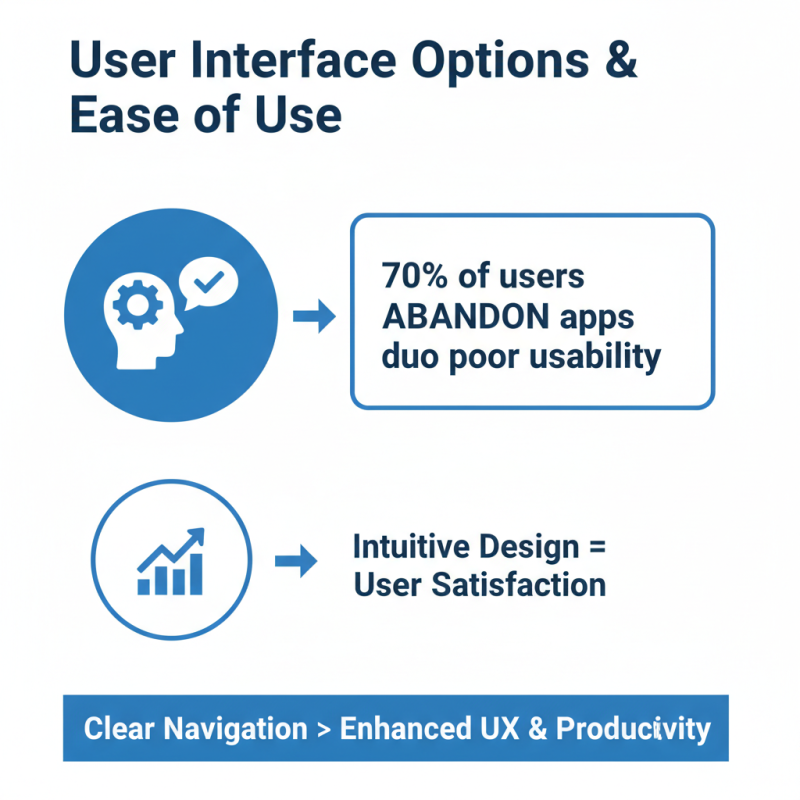
When selecting control panel solutions, user interface options play a critical role. A recent study indicated that 70% of users abandon applications due to poor usability. This clearly shows how essential an intuitive design is for overall user satisfaction. Control panels that provide clear navigation not only enhance user experience but also increase productivity.
Simplicity should be prioritized in the design. Users often favor straightforward layouts over complex interfaces. According to a UX design report, 65% of users prefer visual indicators that guide their actions. Effective use of color and typography can greatly improve readability and understanding. However, neglecting these elements can lead to confusion. It’s vital to ensure that every feature is easily accessible without overwhelming users.
Furthermore, engaging users during the design process can yield invaluable feedback. Involving real users helps identify gaps. Overlooking this step may result in user disengagement. Data indicates that collaborative design efforts can boost user retention rates by 50%. Ultimately, the right balance of aesthetics and functionality will define the success of control panel solutions.
Assessing Costs, Support, and Future Scalability Considerations
When assessing control panel solutions, consider costs thoroughly. Start with initial expenses. Evaluate both upfront and ongoing fees. Hidden costs can impact the budget significantly. For instance, regular maintenance fees may not be apparent at first. It's crucial to account for these when planning long-term usage. A low initial price might not mean savings over time.
Support is another vital aspect. Analyze the level of customer service provided by vendors. Quick response times can save you trouble down the line. A lack of support could lead to costly downtime. Assess whether the provider offers 24/7 assistance. This can make a significant difference during unexpected issues.
Future scalability is essential for growth planning. Ensure the control panel can adapt as needs change. The ability to upgrade features and expand capacity is non-negotiable. Check if the solution allows easy integration with new tools. This flexibility can enhance overall effectiveness. Reflect on how future developments in technology may affect your needs. Being proactive can save time and resources later on.
Related Posts
-
Revolutionizing Industries with Next Generation Automation Control Panels
-
Best Panel PLC Programming Tips for Global Buyers?
-
Exploring Innovative Control Panel Examples for Enhanced Industrial Efficiency
-
How to Master Electrical Control Panel Design for Your Next Project
-
Electrical Control Panel Design Innovations: Insights from the 138th China Import and Export Fair 2025
-
Exploring the Evolution of Control Panels: Industry Insights and Future Trends in Automation Technology