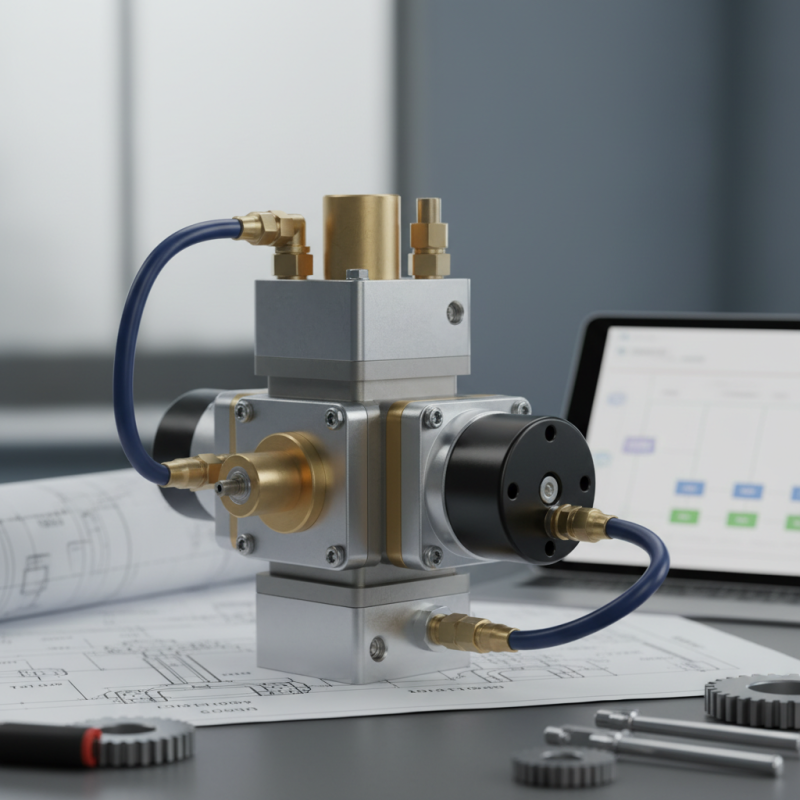
Essential Tips for Choosing Hydraulic Proportional Valves?
Choosing the right Hydraulic Proportional Valve can significantly influence the performance of hydraulic systems. These valves control fluid flow and pressure with precision. Therefore, understanding their features is essential for any project.
When selecting a Hydraulic Proportional Valve, consider the application requirements. Different tasks demand various response times and pressure ratings. A valve suited for one task may not perform well in another. It's important to evaluate specifications carefully.
Moreover, the environment plays a crucial role in your choice. Factors like temperature and exposure to debris can affect valve performance. Sometimes, common choices may not be the best fit. Take the time to assess your options. The right decision can enhance efficiency and reliability in the long run.
Understanding Hydraulic Proportional Valves and Their Applications
Hydraulic proportional valves play a crucial role in many hydraulic systems. They control the flow and pressure precisely, making them essential for tasks requiring careful modulation. These valves adjust the fluid flow based on electrical signals, which allows for smooth operation of various machinery. A key point to consider is the type of actuator used. Whether it's a motor or a simpler pneumatic system influences the valve’s performance.
Applications of hydraulic proportional valves are diverse. They are commonly found in construction equipment, agricultural machines, and manufacturing processes. These valves enhance precision and efficiency in operations, ensuring that tasks are performed optimally. When selecting a valve, consider factors like flow rate and pressure range. The environment in which the valve will function also matters.
Not every choice is perfect. Miscalculating the required specifications can lead to performance issues. It’s important to analyze the system’s needs thoroughly. Often, users overlook the importance of maintenance and how it impacts valve longevity. Regular checks can prevent malfunctions and ensure that the system runs smoothly over time. Understanding these nuances helps in making informed decisions.
Essential Tips for Choosing Hydraulic Proportional Valves
This bar chart illustrates the key factors to consider when selecting hydraulic proportional valves based on common applications. The data represent the importance rating (1-10 scale) of each factor.
Key Factors to Consider When Selecting Hydraulic Proportional Valves
When selecting hydraulic proportional valves, several key factors play a critical role. Understanding the application is essential. Know the specific requirements of your machinery or project. Factors like flow rate, pressure, and temperature must align with the valve's specifications. This alignment ensures efficient and accurate performance.
Another critical factor is the valve's response time. A faster response allows your system to react quickly to changes. However, a balance must be found. Too quick a response may lead to instability. Then there's the issue of control precision. Precision is vital for applications requiring fine adjustments. If a valve lacks precision, the whole system might suffer.
Compatibility is also important. Ensure the valve fits seamlessly with existing components. This includes connectors, controllers, and other hydraulic elements. Each pairing may require adjustments. Some might not work at all, leading to unfortunate outcomes. Take the time to review your options thoroughly. Small oversights can have significant consequences, affecting your entire hydraulic system.
Evaluating Flow Rate and Pressure Requirements for Optimal Performance
When selecting hydraulic proportional valves, evaluating flow rate and pressure requirements is critical. The flow rate must match the application demands. For instance, a report by the Hydraulic Institute indicates that systems with inadequate flow rates can lead to performance losses of up to 30%. This highlights the importance of accurate calculations. Simply guessing flow requirements can lead to inefficiencies.
Pressure requirements must also be considered. Valves need to handle peak pressure levels without failure. According to recent studies, exceeding pressure ratings can shorten the valve's lifespan significantly. It’s essential to understand the working environment. Does it undergo frequent pressure fluctuations? How does temperature affect performance? Each detail matters.
Furthermore, integration with the existing system is often overlooked. The compatibility of valves with other components can impact system efficiency. Inadequate compatibility can result in hydraulic shock and wear. Regular maintenance and monitoring are crucial to ensure optimal performance. Failing to address these factors may lead to unexpected downtimes and costly repairs. Thus, attention to detail in flow and pressure evaluations cannot be underestimated.
Comparing Different Types of Hydraulic Proportional Valves on the Market
When exploring the market for hydraulic proportional valves, it's essential to understand the various types available. These valves can be classified based on their control mechanism, such as servo and proportional solenoid types. Servo valves are known for providing high precision. They often come with complex configurations, making them suitable for sophisticated applications. However, their complexity can be a double-edged sword. They might require regular maintenance and a higher understanding of hydraulic systems.
On the other hand, proportional solenoid valves are simpler and more user-friendly. Their ease of installation is appealing to many users. These valves can modulate fluid flow based on electrical input. Yet, they may not always offer the same level of precision as servo valves. Users need to reflect on their specific requirements. If high accuracy is crucial, investing in a servo valve could be necessary, even if the upfront costs are higher.
Considering durability is also vital. Some valves are designed with robust materials, making them suitable for rugged environments. However, there are cheaper options that might not withstand harsh conditions. Users should weigh the benefits against the potential costs of replacements. It's a decision that can impact operational efficiency significantly.
Maintenance Tips for Ensuring Longevity of Hydraulic Proportional Valves
Proper maintenance is crucial for the longevity of hydraulic proportional valves. These components play a vital role in fluid control, so keeping them in good condition is essential. Regular inspection is a must. Check for leaks, unusual noises, and signs of wear. Addressing these issues early can prevent costly failures.
Cleaning is another key aspect of maintenance. Contaminants can affect performance. Use appropriate cleaning agents to remove buildup. This may require disassembling the valve. Ensure no debris remains in the valve when reassembling. Additionally, lubricate moving parts regularly. Proper lubrication reduces friction and enhances performance, leading to better efficiency.
Monitoring operating conditions is also critical. Pay attention to temperature and pressure levels. Operating outside the recommended ranges can cause damage. Sometimes, the environment can affect performance, too. Moisture or high temperatures might lead to corrosion. Reflect on these factors to ensure your hydraulic system runs smoothly and lasts longer.