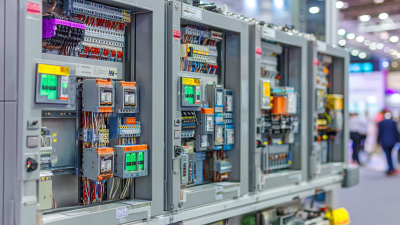
Innovative Trends in Electrical Control Panel Design at the 138th Canton Fair 2025 in China
The 138th Canton Fair in 2025 will showcase cutting-edge developments in electrical control panel design, reflecting the rapid advancements within the electrical engineering sector. The global electrical control panel market is projected to reach USD 12.5 billion by 2026, with a compound annual growth rate (CAGR) of 5.7% from 2021 to 2026, as highlighted in recent industry reports. This increase can be attributed to the rising demand for automation and energy-efficient solutions across various sectors, including manufacturing, construction, and renewable energy.
The Canton Fair will serve as a platform for industry leaders to present innovative designs that enhance functionality, safety, and sustainability of electrical control panels. It’s essential for stakeholders to keep abreast of these developments, as they not only influence operational efficiency but also align with global trends towards smarter, more integrated systems in the electrical industry.
Innovative Technologies Showcased in Electrical Control Panels at the Canton Fair
At the 138th Canton Fair 2025, the spotlight was on groundbreaking technologies in electrical control panel design, reflecting the rapid evolution in the industry. According to a recent report by ResearchAndMarkets, the global electrical control panel market is projected to grow at a CAGR of 6.5% from 2022 to 2027. This growth is driven by the increasing demand for automation and smart technologies in various sectors, including manufacturing, energy, and construction.
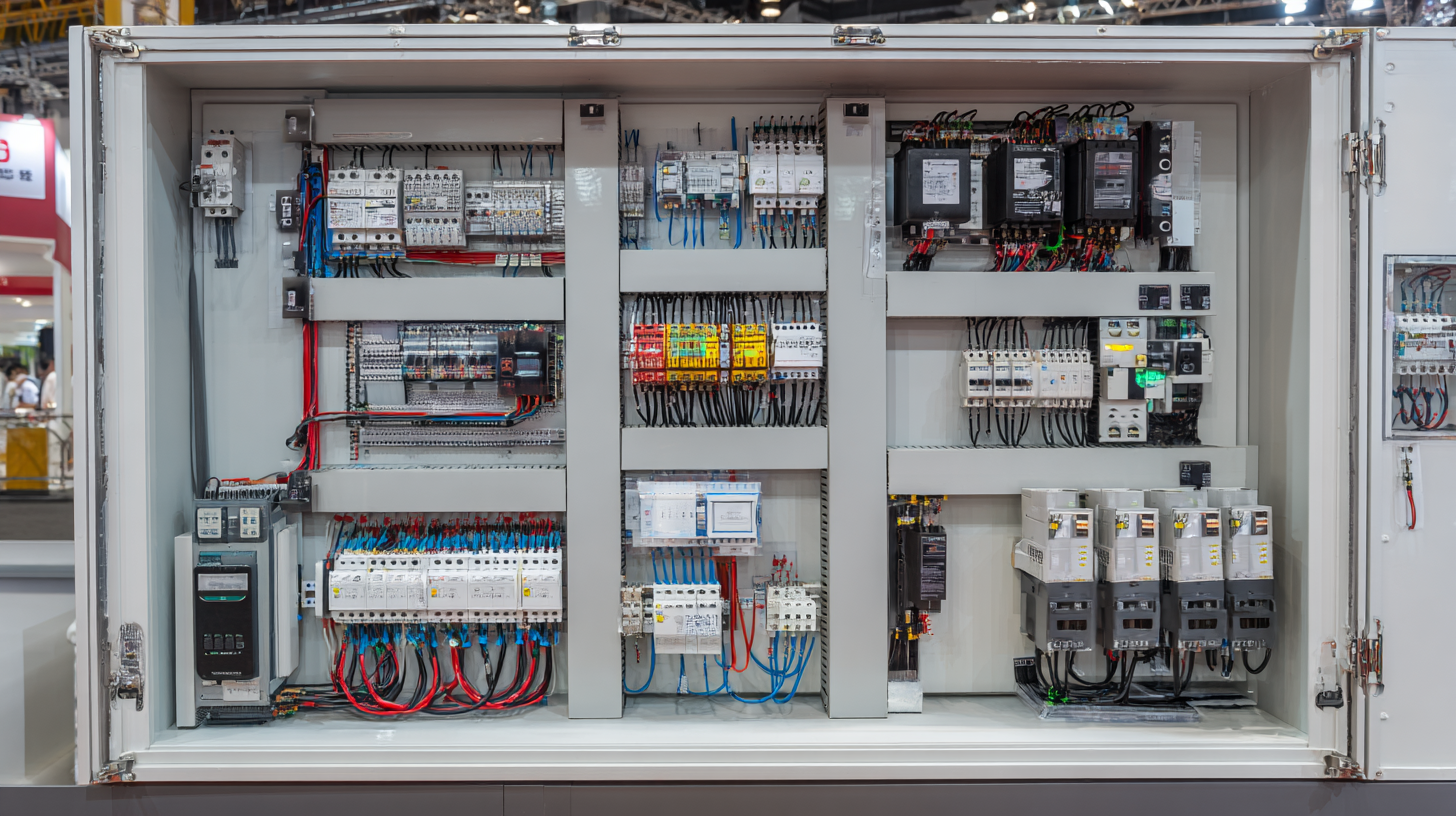
Innovative technologies showcased at the fair included advanced smart control systems, which incorporate IoT capabilities to enhance real-time monitoring and management. For example, sensor-integrated panels allow for predictive maintenance, significantly reducing downtime and operational costs. Additionally, the integration of AI-driven analytics within control panels allows for more efficient energy management, with reports indicating potential energy savings of up to 20% in industrial applications. Such advancements not only improve functionality but also contribute to sustainability efforts within the industry, aligning with global trends toward greener practices.
Sustainability Trends Impacting Electrical Control Panel Design for 2025
The emphasis on sustainability is fundamentally reshaping the design of electrical control panels as industries adapt to the growing demand for renewable energy solutions in 2025. As seen in the recent surge within the renewable sector, there's a palpable shift towards integrating sustainable practices that not only meet energy efficiency standards but also promote environmental stewardship. Innovations such as energy-efficient materials and the incorporation of smart technologies will lead to the development of control panels that optimize energy use and enhance operational efficiency.
Additionally, the trends in sustainable design extend beyond mere functionality; they are now about creating products that harmonize with broader ecological goals. In the construction industry, for instance, there is an increasing reliance on advanced materials and methodologies that significantly reduce energy consumption. These principles are now being applied to electrical control panel design. As the industry embraces Industry 4.0 technologies, such as AI and IoT, we can expect the emergence of control panels that not only monitor and manage energy consumption but also adaptively learn from user patterns and environmental conditions, thereby providing more sustainable solutions for the future.
Integration of Smart Features in Modern Electrical Control Panels
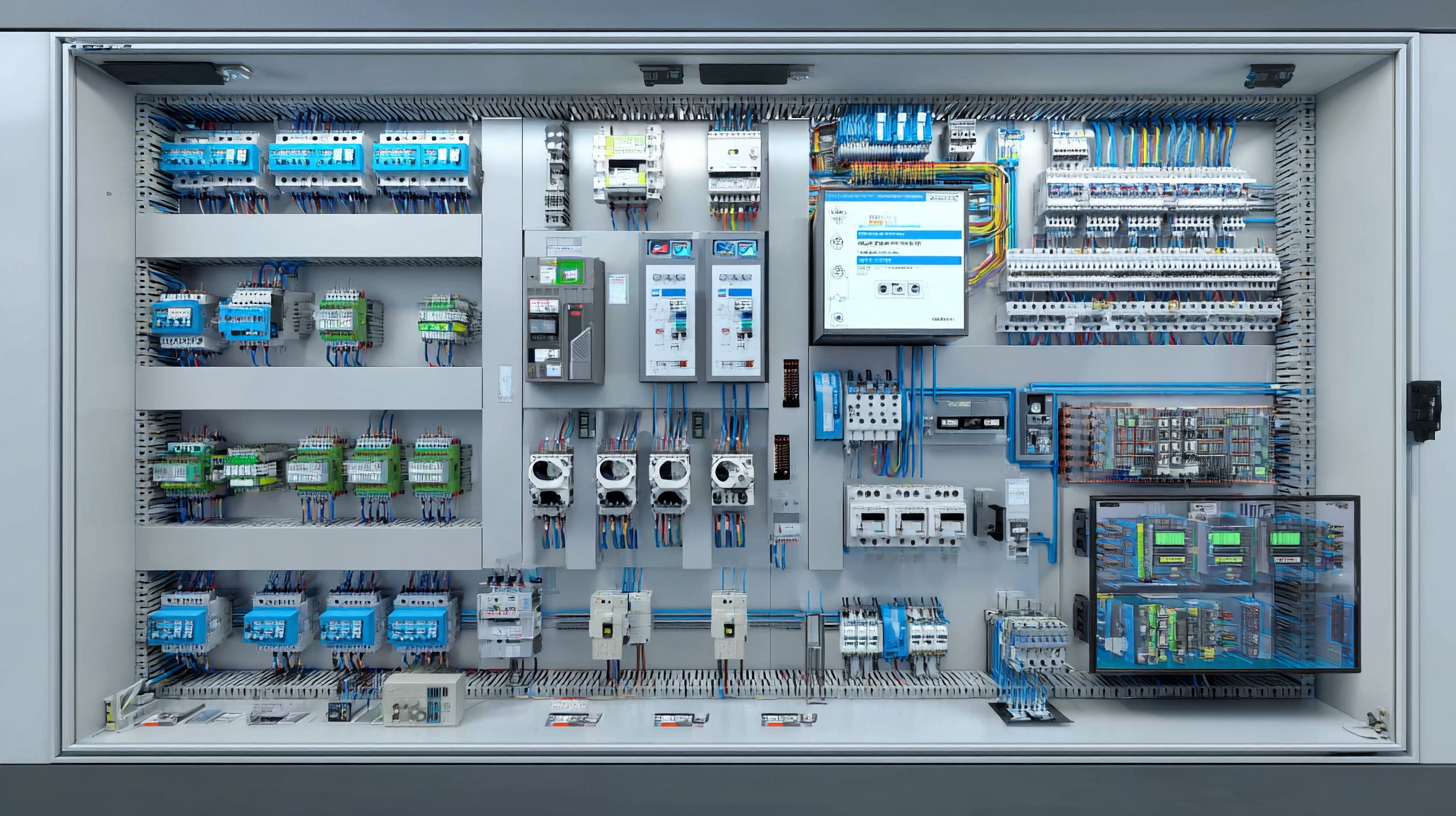
At the 138th Canton Fair 2025 in China, the integration of smart features into modern electrical control panels is set to redefine the landscape of industrial automation. As industries increasingly shift towards smart manufacturing, electrical control panels are evolving to meet the demands for enhanced efficiency and connectivity. These innovations not only improve the functionality of control systems but also facilitate real-time monitoring and control through advanced IoT capabilities.
The incorporation of artificial intelligence and machine learning algorithms into control panels allows for predictive maintenance, significantly reducing downtime and operational costs. Furthermore, user-friendly interfaces equipped with touchscreens and remote access empower operators to manage systems seamlessly. The focus on energy efficiency and sustainability is also evident, with smart panels optimizing energy consumption and enabling a more sustainable approach to industrial operations. As these trends continue to shape the future of electrical control panels, businesses are poised to leverage these advancements for greater operational excellence.
Innovative Trends in Electrical Control Panel Design - 138th Canton Fair 2025
This chart illustrates the percentage adoption of smart features in modern electrical control panels, highlighting the growing trend towards integration of advanced technologies in design.
Emerging Materials and Their Role in Designing Efficient Control Panels
The 138th Canton Fair in 2025 is set to showcase remarkable advancements in electrical control panel design, particularly underlining the impact of emerging materials. Recent studies indicate that the adoption of advanced composite materials, such as thermoplastics and aluminum alloys, can significantly reduce the weight of control panels by up to 30%. This not only enhances the overall efficiency of electrical systems but also improves ease of transportation and installation. These materials offer greater durability and resistance to environmental factors, which is crucial in diverse industrial applications.
Furthermore, innovative insulative materials like aerogels and advanced ceramics are revolutionizing thermal management within control panels. According to a report by the International Electrotechnical Commission, effective thermal insulation can increase the lifespan of control components by up to 25%, minimizing maintenance costs and downtime. This trend highlights the growing emphasis on sustainability and operational efficiency, aligning with global energy conservation goals. The integration of these cutting-edge materials into control panel designs signifies a pivotal shift in the industry, paving the way for more reliable and efficient electrical systems in the future.
Market Trends and Consumer Preferences Shaping Future Electrical Control Solutions
At the 138th Canton Fair in 2025, innovative trends in electrical control panel design are set to be influenced significantly by evolving market trends and consumer preferences. A striking example of this transformation is reflected in the rapidly growing home pump market, expected to expand from $18.58 billion in 2024 to $26.92 billion by 2032, representing a compound annual growth rate (CAGR) of 4.8%. This growth highlights the increasing demand for efficient and smart solutions in residential applications, driving manufacturers to adopt advanced technologies in their control panel designs.
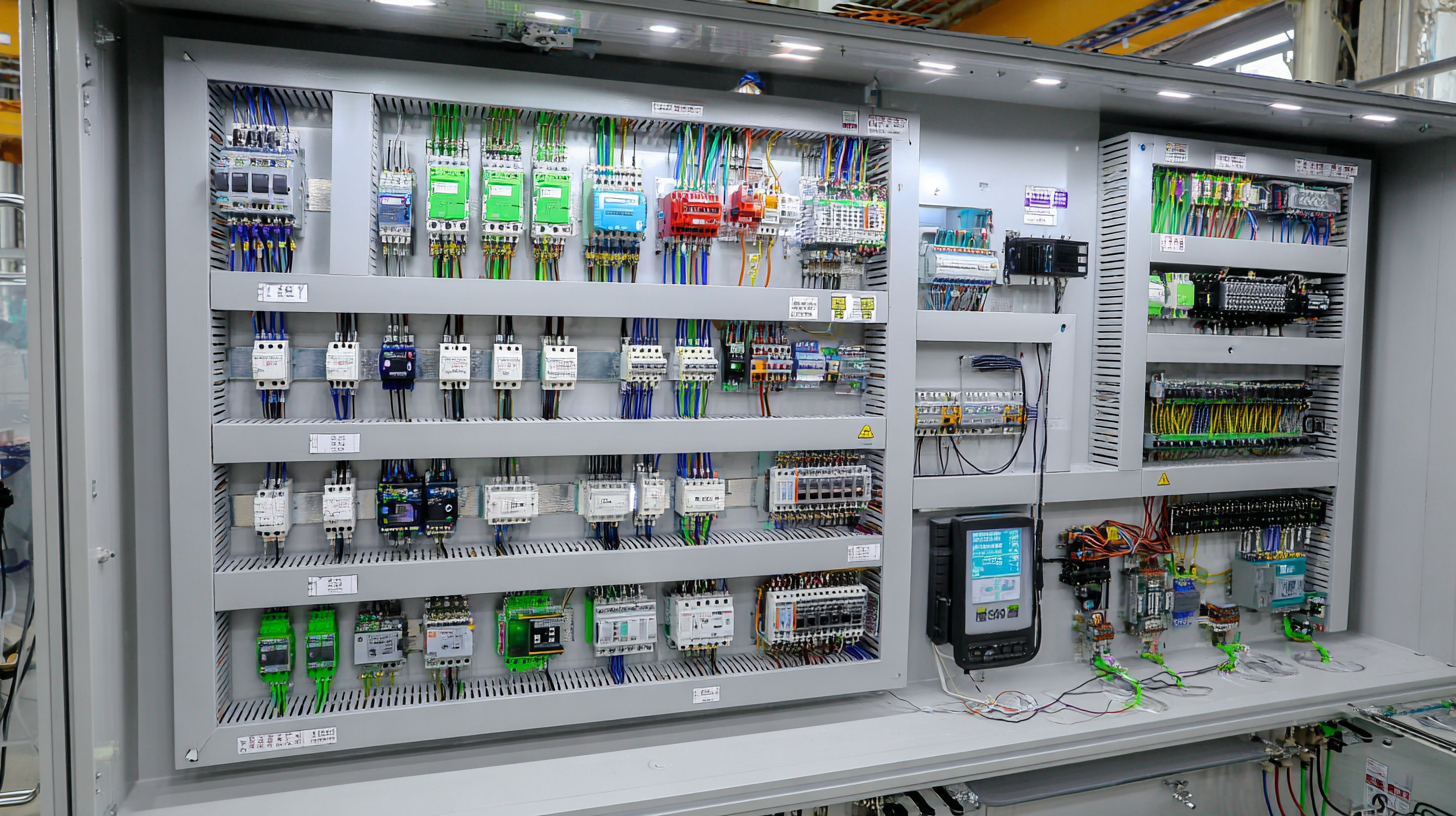
Additionally, the global air conditioning thermostat market showcases similar dynamics, projected to grow from $2.17 billion in 2024 to $4.77 billion by 2032. The emphasis on energy efficiency and seamless integration with smart home systems is reshaping consumer expectations, compelling industry players to innovate and enhance their product offerings. This trend reflects a broader movement towards intelligent, connected solutions across various sectors, emphasizing the necessity for electrical control panels that can adapt and respond to the growing complexity of technological ecosystems.