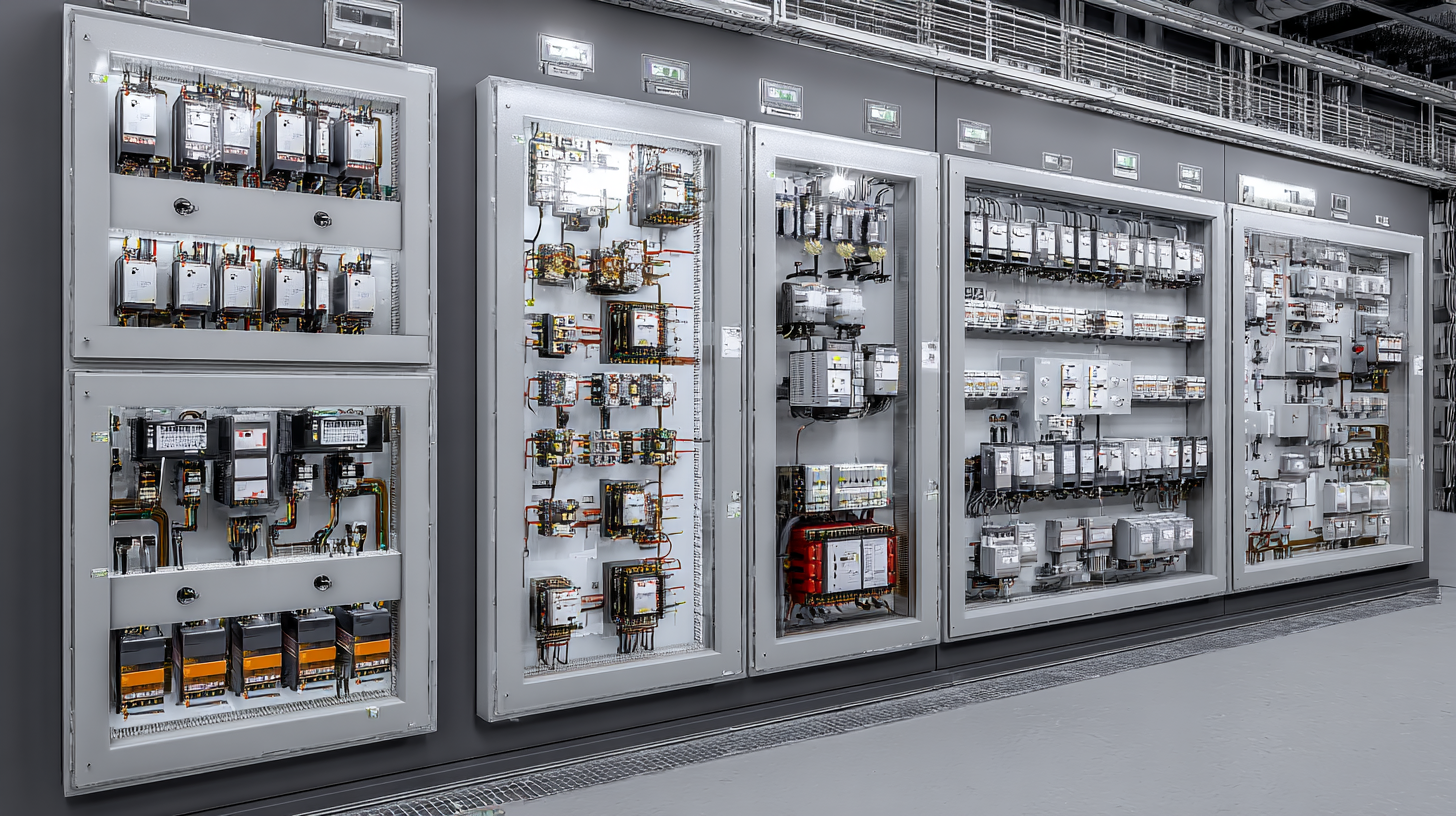
How to Optimize Your Power Distribution Control System for Maximum Efficiency
In today's rapidly evolving energy landscape, optimizing your power distribution control system is more critical than ever to achieve maximum efficiency and sustainability. According to the International Energy Agency (IEA), improving energy efficiency could reduce global energy demand by up to 40% by 2040. Moreover, a report by the Electric Power Research Institute (EPRI) indicates that advanced power distribution control systems can lead to efficiency gains of 10-15%, significantly lowering operational costs and enhancing grid reliability.
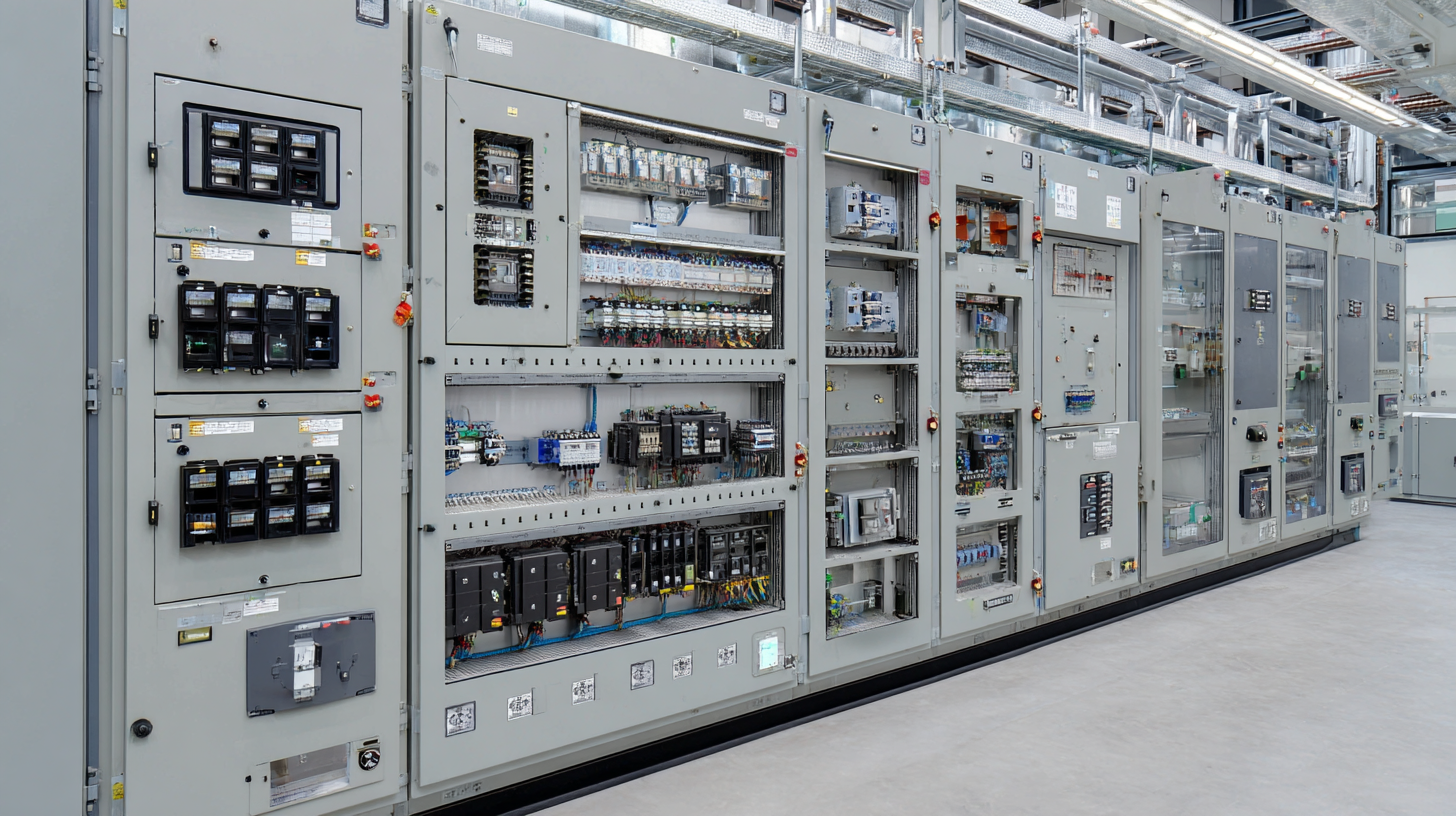
As industries and utilities transition toward smarter, more resilient energy systems, implementing best practices in power distribution control becomes essential not only for compliance but also for fostering innovation and economic growth. Addressing these challenges head-on will empower organizations to harness the full potential of their assets while contributing to a greener future.
Understanding Power Distribution Control Systems and Their Importance
Power distribution control systems play a crucial role in ensuring that electrical power is delivered efficiently and reliably to various loads within a facility. These systems help manage and optimize the distribution of electrical energy by monitoring power quality, load demands, and operational performance. With the increasing reliance on electric systems in modern industries, understanding the intricacies of these control systems becomes essential for maximizing efficiency and reducing operational costs.
The importance of an optimized power distribution control system cannot be overstated. Such a system not only enhances the reliability of power supply but also minimizes energy wastage through real-time data analytics and automated responses to changing electrical loads. By implementing sophisticated control mechanisms, operators can preemptively address potential issues, ensuring that power delivery is maintained at optimal levels. This proactive approach is vital in minimizing downtime and enhancing the overall lifecycle and performance of electrical infrastructure.
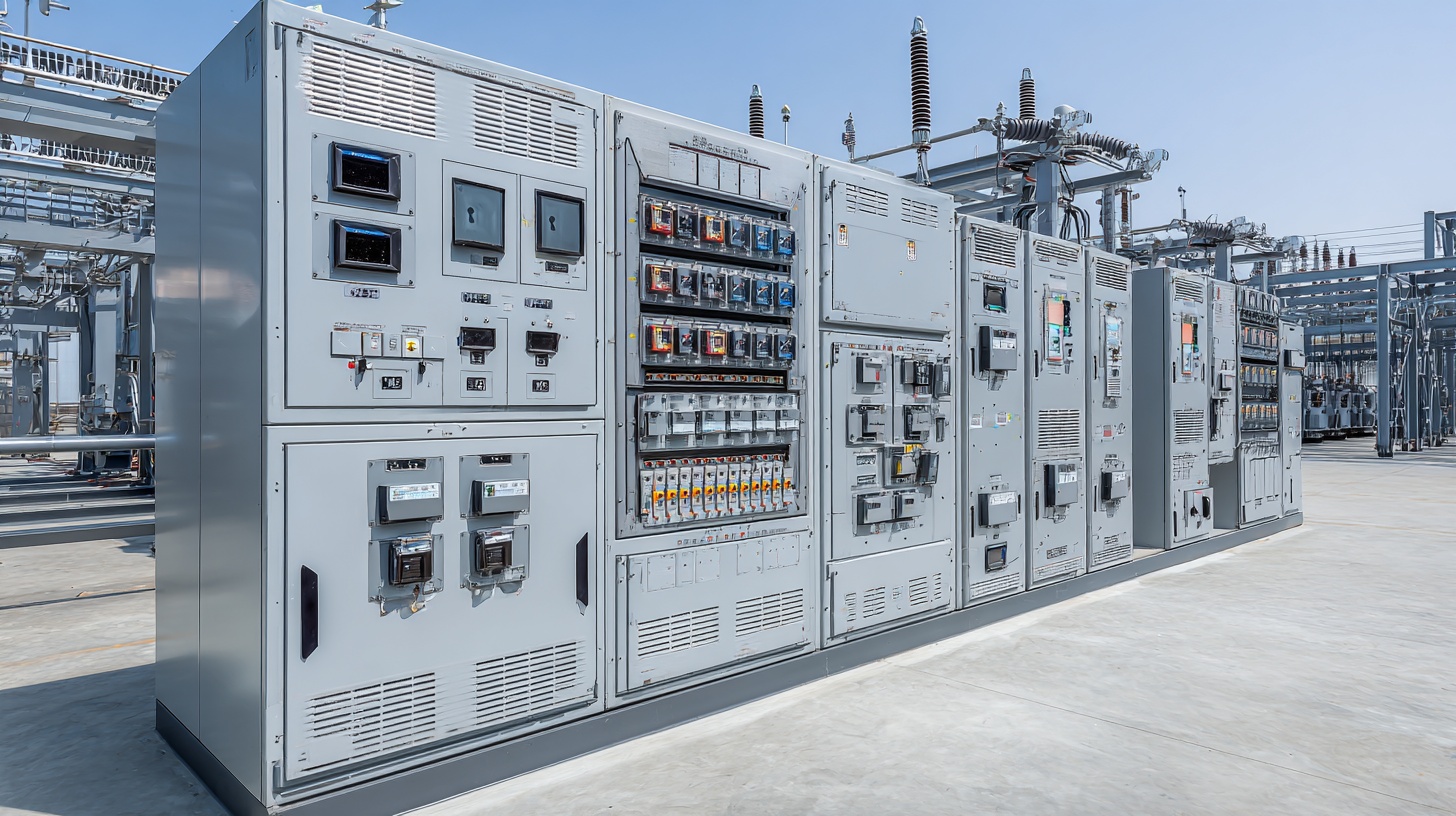
Key Factors Influencing Power Distribution Efficiency
Efficiency in power distribution systems is influenced by several key factors, each playing a crucial role in minimizing energy losses and maximizing overall performance. One of the primary contributors is the quality of the components used, such as transformers and circuit breakers. According to the U.S. Department of Energy, upgrading to high-efficiency transformers can reduce losses by up to 30%, translating into significant cost savings over time. Additionally, implementing smart grid technologies allows for better monitoring and management of electrical loads, thereby optimizing energy distribution across the network.
Another critical factor is the design and layout of the distribution network itself. Studies have shown that well-planned network designs can lower energy losses associated with resistance in conductors, which typically accounts for an estimated 5-10% of total energy losses. Furthermore, incorporating real-time data analytics helps operators make informed decisions that align with dynamic demand patterns, enhancing system responsiveness. By focusing on these factors—quality of components, smart technologies, and optimal design—companies can achieve remarkable improvements in their power distribution efficiency, fostering both cost-effectiveness and sustainability in their operations.
Techniques for Optimizing Control Systems Performance
To optimize control systems performance within power distribution systems, it’s essential to integrate advanced techniques that enhance efficiency and reliability. One effective method is the implementation of model predictive control (MPC), which utilizes mathematical models to predict future events and outcomes. According to a recent report by the International Energy Agency (IEA), systems employing MPC have demonstrated energy savings of up to 15% compared to traditional control methods. This is achieved by allowing the system to make informed decisions based on real-time data, improving the overall response to fluctuating power demands.
Furthermore, the adoption of artificial intelligence (AI) technologies can significantly enhance operational efficiency. A study conducted by McKinsey & Company indicates that AI can reduce operational costs by up to 20% in energy management systems through predictive maintenance and enhanced fault detection. By leveraging AI algorithms, control systems can anticipate potential issues, optimizing maintenance schedules and minimizing downtime. Implementing such technologies can lead not only to improved performance but also to a significant reduction in energy waste, aligning with global sustainability goals.
Power Distribution Control System Efficiency Optimization
This chart illustrates the efficiency of various techniques implemented in power distribution control systems over the past year. The data highlights the improvement in efficiency percentage achieved through different optimization methods.
Integrating Smart Technologies for Enhanced Power Management
Integrating smart technologies into power distribution control systems is essential for enhancing efficiency and optimizing energy management. By harnessing advanced analytics, real-time monitoring, and automated control, utilities can identify and address inefficiencies in power distribution networks. Smart sensors and IoT devices provide detailed insights into consumption patterns, enabling operators to make informed decisions that minimize energy loss. This shift from reactive to proactive management not only improves operational performance but also extends the lifespan of equipment.
Furthermore, the implementation of advanced grid technologies, such as distributed energy resources (DER) and smart meters, allows for better integration of renewable energy sources. This promotes a more resilient and flexible power distribution system capable of adjusting to fluctuating energy demands. Machine learning algorithms can predict usage trends, optimizing energy flow and reducing the risk of outages.
As organizations continue to adopt these smart technologies, the potential for enhanced efficiency and sustainable energy management will increase, paving the way for a more reliable power infrastructure.
Monitoring and Maintenance Strategies for Sustaining Efficiency
Effective monitoring and maintenance strategies are vital for sustaining the efficiency of power distribution control systems. One of the most crucial tactics is the implementation of real-time monitoring technology. Utilizing advanced sensors and IoT devices, operators can track the performance of electrical components continuously. This data allows for immediate detection of anomalies, enabling proactive decisions to prevent potential failures and optimize energy flow. By establishing a robust monitoring network, organizations can identify inefficiencies and trends, leading to timely interventions that minimize downtime.
In addition to real-time monitoring, regular maintenance schedules are essential to maintain system integrity. Scheduled inspections and preventative maintenance activities can significantly reduce the risk of unexpected outages and system degradation. By adopting a predictive maintenance approach, organizations can utilize historical data to anticipate when equipment is likely to fail. This method not only extends the lifespan of distribution components but also ensures that any adjustments in operations are seamless and do not compromise overall efficiency. Together, these strategies create a resilient and efficient power distribution framework that can adapt to changing operational demands.
Related Posts
-
Essential Guide to Mastering PLC Controller Programming Techniques
-
How to Optimize Your Manufacturing Efficiency with VFD Control Panels
-
How to Create Efficient Electrical Control Panel Designs for Optimal Performance
-
What is Control Engineering and Why It Matters in Modern Industry
-
7 Best Electrical Power Distribution Panel Features to Maximize Efficiency in Your Facility
-
The Future of HMI Panel Innovation and Automation