Understanding the Role of Electrical Control Solutions in Optimizing Energy Efficiency: Insights and Data
In the quest for enhanced energy efficiency, the implementation of electrical control solutions has emerged as a pivotal strategy across various industries. According to the International Energy Agency (IEA), optimizations through smart electrical controls can potentially reduce energy consumption by up to 30%, significantly impacting both operational costs and carbon footprints. These solutions encompass a wide range of technologies, including automated systems, advanced sensors, and real-time monitoring tools.
A report by the U.S. Department of Energy highlights that integrating electrical control solutions not only boosts energy performance but also contributes to the reliability and sustainability of electrical systems.
As industries face increasing pressure to minimize energy usage while maintaining productivity, leveraging innovative electrical control solutions becomes essential in driving efficiency and achieving long-term sustainability goals.
Key Components of Electrical Control Solutions for Energy Management
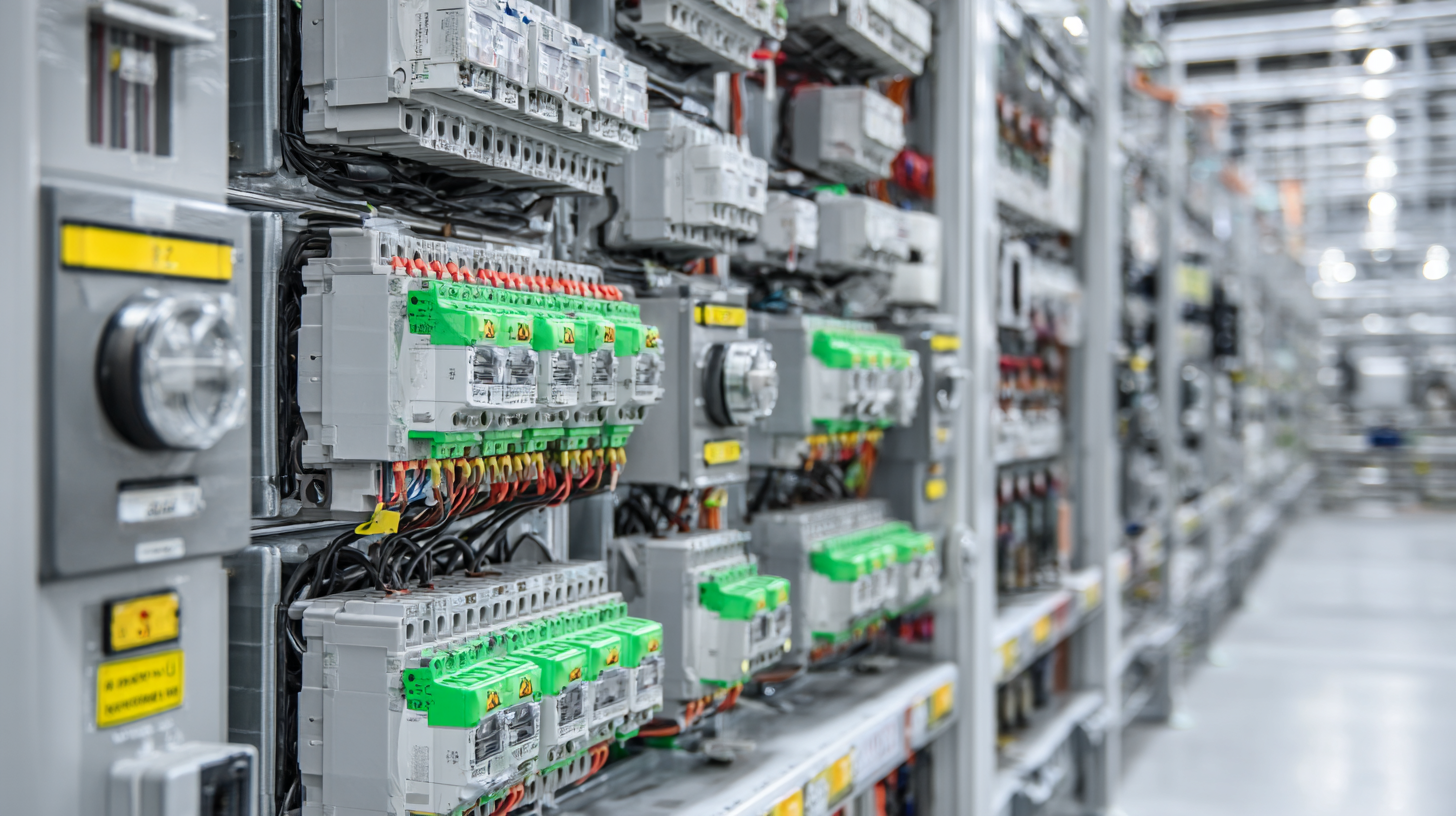
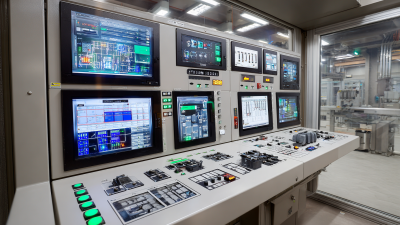
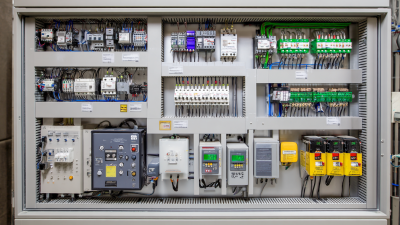
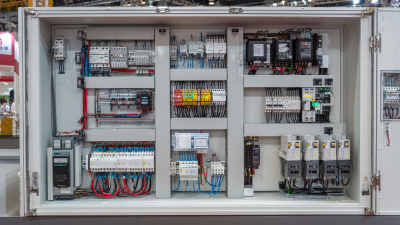
Electrical control solutions play a pivotal role in enhancing energy management systems by integrating various key components that optimize energy efficiency. One of the primary elements is the programmable logic controller (PLC), which enables precise control of electrical devices. PLCs facilitate automation by processing inputs from sensors and controlling outputs to equipment, allowing for real-time adjustments that minimize energy wastage.

Additionally, variable frequency drives (VFDs) are essential in managing the speed and operation of motors, significantly reducing energy consumption when machinery is running below full capacity.
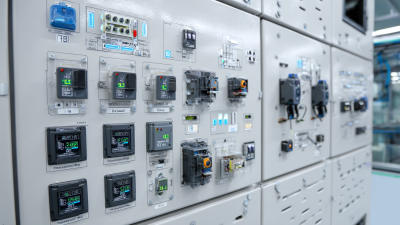
Another crucial component is energy management software, which analyzes consumption data and provides insights for optimizing usage patterns. This software can identify peak demand periods, allowing facilities to adjust operations accordingly or shift loads to off-peak times. Moreover, smart meters enhance the monitoring capabilities by providing accurate data on energy usage across different sectors.
Together, these components of electrical control solutions not only improve energy efficiency but also contribute to sustainable practices by reducing the overall carbon footprint in industrial and commercial settings.
Analyzing Energy Consumption Patterns: Data-Driven Approaches
In today's energy landscape, understanding energy consumption patterns is crucial for optimizing energy efficiency. Analyzing these patterns through data-driven approaches enables stakeholders to identify inefficiencies and implement targeted solutions. By collecting and analyzing large datasets from smart meters, IoT devices, and energy monitoring systems, organizations can gain insight into their energy use behavior over time. This information allows for a nuanced understanding of peak demand periods, enabling better management of energy loads and reducing operating costs.
Moreover, leveraging advanced analytics, including machine learning algorithms, offers predictive capabilities that can significantly enhance energy management strategies. By forecasting energy consumption based on historical patterns and external factors, businesses can make informed decisions regarding energy procurement and usage. Additionally, visualization tools can provide intuitive representations of energy data, making it easier for decision-makers to identify trends and make real-time adjustments. Ultimately, the integration of data-driven approaches in analyzing energy consumption patterns not only supports the quest for energy efficiency but also promotes sustainability and cost-effectiveness across industries.
Integrating Renewable Energy Sources with Electrical Control Systems
The integration of renewable energy sources (RES) with electrical control systems is pivotal for optimizing energy efficiency in modern power grids. Recent advancements have highlighted innovative strategies such as the Smart Grid Hybrid Electrolysis-and-Combustion System (SGHE-CS), which facilitates hydrogen production and storage alongside renewable energy generation. This system exemplifies the synergy between renewable technologies and traditional energy frameworks, paving the way for more sustainable energy management practices. According to industry reports, the global market for AI in energy management systems is projected to grow significantly by 2034, emphasizing the rising demand for intelligent solutions that can enhance power usage efficiency.
Furthermore, studies have demonstrated the effectiveness of advanced control techniques, including nonlinear control strategies in low-voltage AC microgrids and modified fuzzy-TID controllers for frequency stabilization in hybrid renewable power grids. For instance, the implementation of an optimization-based energy management system using Particle Swarm Optimization has shown remarkable improvements in cost-efficiency and battery performance in grid-connected photovoltaic-battery systems. These developments not only bolster the integration of RES but also contribute to the overall stability and quality of power delivered, showcasing the crucial role of sophisticated electrical control solutions in achieving a renewable energy-driven future.
Understanding the Role of Electrical Control Solutions in Optimizing Energy Efficiency: Insights and Data
| Dimension |
Description |
Value |
| Energy Source |
Type of renewable energy integrated |
Solar, Wind, Hydro |
| Energy Efficiency Improvement |
Percentage decrease in energy consumption |
20% |
| Cost Savings |
Annual savings due to energy efficiency measures |
$15,000 |
| Control System Type |
Type of electrical control system used |
SCADA, PLC |
| Integration Time |
Time taken to integrate renewable sources |
6 Months |
| Carbon Footprint Reduction |
Reduction in CO2 emissions |
30 Tons/Year |
| User Satisfaction |
User feedback score on new systems |
85/100 |
Implementing Smart Grids for Enhanced Energy Efficiency
Smart grids are revolutionizing the way we manage energy consumption and distribution,
leveraging advanced digital technologies and sensors to optimize real-time electricity supply and demand.
 By integrating various information and communication technologies, smart grids facilitate enhanced monitoring
and intelligent scheduling, significantly improving efficiency within the energy sector. This transformation not only helps in managing peak loads but also underpins broader environmental
sustainability efforts by enabling more flexible and responsive energy systems.
By integrating various information and communication technologies, smart grids facilitate enhanced monitoring
and intelligent scheduling, significantly improving efficiency within the energy sector. This transformation not only helps in managing peak loads but also underpins broader environmental
sustainability efforts by enabling more flexible and responsive energy systems.
Moreover, the integration of smart grids with circular economy principles marks a significant advancement in resource optimization and carbon reduction strategies.
By reimagining the traditional energy framework, smart grids support a shift towards low-carbon energy solutions while promoting sustainability.
As the demand for efficient energy systems grows, innovations such as demand response management systems are projected to flourish,
further contributing to economic and social benefits that are crucial in today’s rapidly evolving energy landscape.
The ongoing digitalization of the energy sector, reinforced by initiatives aimed at smart grid adoption, sets a solid foundation for a future where energy efficiency is paramount.
Measuring and Monitoring Energy Efficiency Improvements with Technology
The advent of advanced technology has significantly enhanced the ability to measure and monitor energy efficiency improvements across various sectors. Industry reports indicate that organizations implementing electrical control solutions have seen energy savings of up to 30% in their operations. Technologies such as smart meters and IoT sensors enable real-time monitoring of energy consumption, allowing businesses to identify inefficiencies and optimize their energy use more effectively. For instance, according to a recent study by the International Energy Agency, deploying advanced metering infrastructure can lead to a quantifiable reduction in energy waste, translating to lower operational costs and reduced carbon footprints.
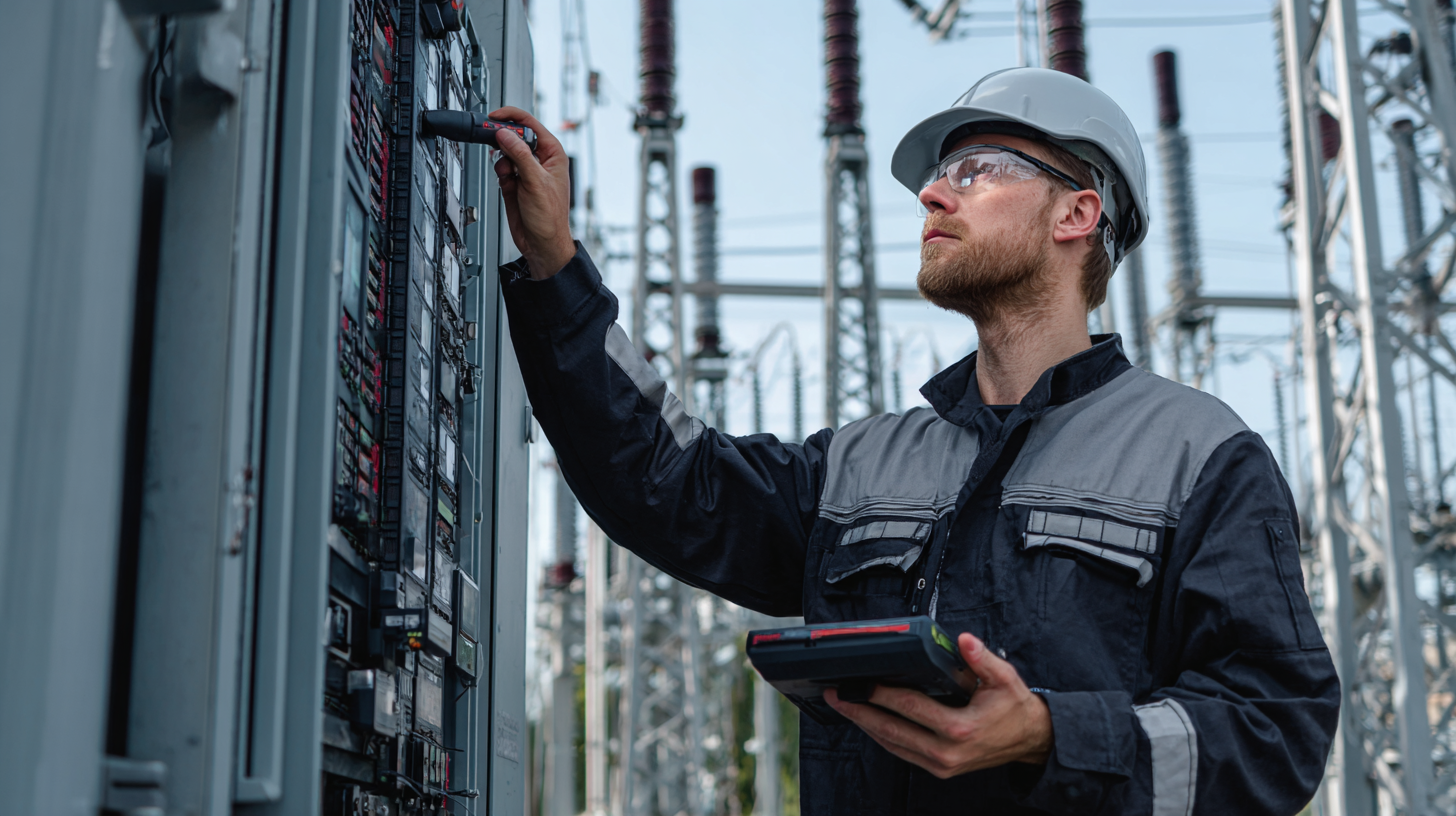
Tips: Consider implementing energy management software that integrates with your existing electrical control systems. This software not only provides detailed analytics but also suggests actionable improvements, further enhancing your energy efficiency initiatives. Additionally, regular audits and assessments can help track your energy usage trends, ensuring you stay vigilant about potential inefficiencies.
Moreover, the integration of artificial intelligence in energy management is revolutionizing the way businesses approach energy efficiency. AI algorithms analyze historical data to predict future energy needs, optimizing the operation of equipment and systems. Recent findings from the U.S. Department of Energy suggest that companies using AI-powered energy management systems can achieve up to a 25% reduction in energy consumption, showcasing the power of technology in driving efficiency improvements.