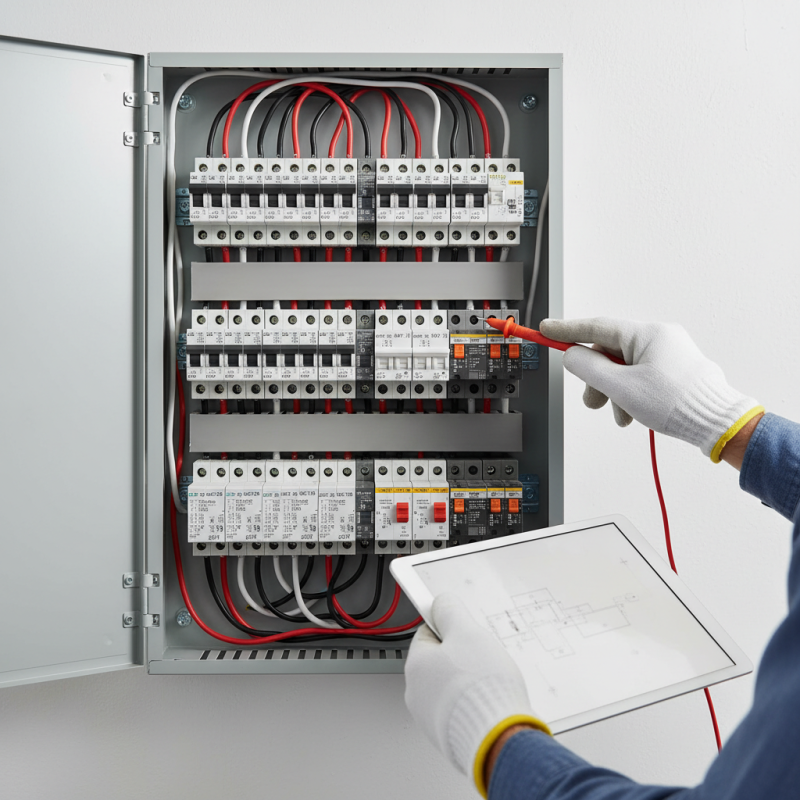
Essential Tips for Choosing the Right Electrical Breakers?
Choosing the right Electrical Breakers is essential for any safe electrical system. The right breakers protect your home from overloads and short circuits. They are critical components that ensure safe and efficient operation of your electrical systems.
When looking for Electrical Breakers, consider factors like amperage, voltage, and type. Each type serves a specific purpose. Understanding the difference between standard and specialty breakers is key. Many homeowners overlook this important detail.
Inexperienced choices can lead to costly mistakes. The wrong breaker may fail to protect valuable appliances. It could also create dangerous situations. It is important to consult professionals when in doubt. Their expertise helps ensure that you make informed choices. By understanding your options, you can keep your home and family safe.
Understanding the Importance of Electrical Breakers in Safety Systems
Electrical breakers play a crucial role in maintaining safety in electrical systems. They protect circuits from overloads and short circuits. According to the National Fire Protection Association (NFPA), nearly 50,000 home electrical fires occur each year, resulting in over $1.3 billion in property damage. Choosing the right breaker can prevent these incidents.
Breakers can be found in various ratings. It's essential to select one that aligns with your electrical load needs. For instance, a circuit should not exceed 80% of a breaker’s capacity. This is often a detail overlooked, leading to undersized breakers that can trip frequently or, worse, fail to trip during a fault. Keeping in mind these guidelines helps ensure a reliable safety mechanism.
Additionally, understanding different types of breakers is vital. Ground Fault Circuit Interrupters (GFCI) and Arc Fault Circuit Interrupters (AFCI) offer extra protection for specific applications. Yet, many homeowners are unaware of their importance. Studies indicate that using these types can reduce the risk of electrical fires by up to 70%. It's a missed opportunity for many. Ensuring you’re informed about these options can enhance safety in your home.
Types of Electrical Breakers and Their Applications in Residential Wiring
When choosing electrical breakers for residential wiring, understanding their types and applications is crucial. The most common types are circuit breakers, ground fault circuit interrupters (GFCIs), and arc fault circuit interrupters (AFCIs). Circuit breakers control the flow of electricity and prevent overloads. According to a report from the National Fire Protection Association, about 51% of home electrical fires involve problems with circuit breakers. This statistic underscores how important it is to choose the right model.
GFCIs are essential in areas prone to moisture, such as bathrooms and kitchens. They cut off electricity when they detect a ground fault, reducing the risk of electrical shock. The U.S. Consumer Product Safety Commission highlights that homes with GFCI protection reduce the risk of electrocution in wet locations by up to 80%. AFCIs, on the other hand, protect against electrical fires caused by arcing faults. Their installation is increasingly recommended, especially in living areas, as they can detect faulty wiring conditions before they escalate. Many homeowners may overlook these critical devices, potentially compromising safety.
Selecting the correct breaker can be challenging. Not every model fits every environment, and improper selection may lead to ineffective protection. Sometimes, homeowners are unsure about the compatibility of breakers with their existing systems. Regular assessments of breaker performance and updates in line with electrical code changes are necessary. Each year, electrical safety standards evolve, and it’s essential to stay informed. Making informed choices ensures optimal safety and functionality in residential wiring.
Key Factors to Consider When Selecting Electrical Breakers for Your Project
When selecting electrical breakers for your project, several key factors come into play. Understanding amperage ratings is crucial. Match the breaker’s rating with your circuit’s load requirements. A breaker that is too weak may trip frequently, while an oversized one may not provide adequate protection.
Another important element is the type of breaker. Options include standard, GFCI, and AFCI breakers. Each has specific applications. For instance, GFCI breakers protect against ground faults, ideal for wet locations. On the other hand, AFCI breakers guard against arc faults, which can cause fires. Knowing where to use each type makes a big difference.
Pay attention to installation compatibility as well. Breakers need to fit within your electrical panel. Confirm that your panel is rated for the type of breakers you plan to use. Misalignment can lead to inefficient performance.
One tip is to consult with a professional if unsure. Electrical systems can be complex. Mistakes in choice or installation can have serious consequences. Take the time to research and consider future needs; your safety depends on it.
Industry Standards and Certifications for Quality Electrical Breakers
When selecting electrical breakers, understanding industry standards and certifications is crucial. These standards ensure that breakers meet safety and performance criteria. Look for certifications from recognized organizations like UL (Underwriters Laboratories) and IEC (International Electrotechnical Commission). These marks provide assurance of quality and reliability.
Many users overlook the importance of these certifications. It's easy to assume that all products are safe. However, not all breakers are created equal. A lack of proper certification may lead to malfunctions or safety hazards. Different applications require specific standards, so consider your unique needs.
Installing breakers that meet industry standards helps prevent electrical fires and system failures. Regularly check your breakers for compliance and performance. Reassessing chosen products can lead to better safety measures. Make informed decisions, and take time to research before purchasing.
Preventive Maintenance Tips for Ensuring Breaker Reliability and Longevity
Preventive maintenance is key to ensuring electrical breakers work effectively over time. Regularly inspecting and testing your breakers can identify potential issues before they become serious problems. Look for signs of wear, such as burnt connections or corrosion. A thorough check can save you from unexpected outages or equipment damage.
Cleaning the breaker panel is also crucial. Dust and debris can hinder performance, leading to overheating and failure. Use a soft brush or dry cloth to gently clean the panel. Check for loose wires or connections regularly. Tightening them can prevent electrical arcing. Remember, maintaining a clean environment contributes to the longevity of your breakers.
Check the trip settings and test the breakers at least once a month. This practice ensures they function properly under real load conditions. If a breaker trips frequently, it may need replacement. However, it’s important to consult a professional if you encounter persistent issues. Assume nothing when it comes to electrical safety; being proactive is your best strategy.