Top 10 Control Panel Solutions for Global Buyers?

Choosing the right control panel solutions can determine whether an industrial project runs smoothly or faces repeated delays. Global buyers must evaluate more than appearance, price, and delivery promises. They need dependable engineering, clear documentation, safe components, and responsive technical support.

This guide reviews ten control panel solutions for international purchasing teams. Each option is considered through practical criteria, including enclosure quality, wiring standards, PLC compatibility, testing procedures, customization, and after-sales service. Buyers should also examine factory experience, inspection records, component traceability, and communication during design changes. A panel that looks excellent in photographs may still contain poor labeling or difficult-to-service wiring. Small details matter.

No single solution fits every factory. A food-processing plant may require stainless steel protection and easy cleaning. A warehouse system may prioritize compact dimensions and remote monitoring. A water-treatment project may need stronger environmental protection and reliable alarm functions. Local regulations and installation conditions also affect the final decision. This ranking is useful, but it is not absolute. Supplier claims should be verified through drawings, samples, factory audits, and documented tests. That step can feel slow. It often prevents expensive rework later.

The following comparison helps engineers, distributors, and procurement managers narrow their choices with greater confidence. It focuses on measurable performance, realistic project risks, and long-term service value. Buyers should still request project-specific quotations before making a final decision. Good research begins with questions, not assumptions.
Top 10 Control Panel Solutions for Global Buyers?

What a Control Panel Solution Includes

What a Control Panel Solution Includes

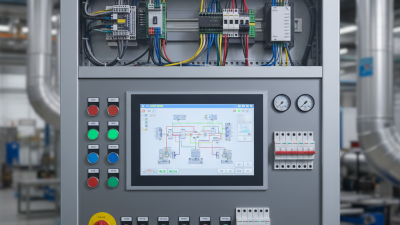
A control panel solution is more than a metal enclosure with switches. It combines power distribution, circuit protection, controllers, relays, human-machine interfaces, communication gateways, and safety devices. Engineers also specify wiring, terminals, cooling, labeling, and enclosure ratings. These details determine whether a panel survives dust, heat, vibration, and daily maintenance.

The International Energy Agency reported in Energy Efficiency 2023 that global energy-efficiency investment approached USD 600 billion in 2022. Better control systems can support this effort by reducing idle operation, improving motor sequencing, and recording energy consumption. A useful solution therefore includes monitoring software, alarms, data logging, and remote diagnostics. However, remote access must include strong authentication and controlled permissions. Convenience is not enough.

Hardware selection should follow the machine’s load, voltage, fault level, operating environment, and expansion plan. IEC 61439 guidance also makes verification, temperature rise, and short-circuit performance important design concerns. A panel may pass a factory test yet struggle in a humid overseas plant. That happens.

Reliable suppliers normally provide schematics, bills of materials, test records, spare-part lists, and commissioning support. The International Society of Automation’s industrial cybersecurity guidance also highlights the need to separate control functions from business networks. This is often overlooked. Buyers should request clear acceptance criteria before production, including response time, labeling language, enclosure protection, and documentation format. The best solution is not always the most complex one; it is the one that operators can understand, service, and safely expand.

Key Criteria for Comparing Global Control Panel Suppliers

Top 10 Control Panel Solutions for Global Buyers

Key Criteria for Comparing Global Control Panel Suppliers

Global buyers should compare suppliers beyond purchase price. The 2024 Deloitte Global Smart Manufacturing Survey found that 92% of manufacturers view smart manufacturing as a key competitiveness driver. That finding raises the bar for control panels. Ask whether the supplier can document PLC compatibility, network architecture, heat management, and expected service life. A panel should fit the real site, not only the specification sheet.

Request evidence from factory acceptance tests, wiring inspections, and load simulations. Check enclosure ratings, terminal labeling, cable glands, and replacement-part lead times. For international projects, confirm documentation in usable English and local electrical standards. The International Energy Agency reports that industry consumes about 37% of global final energy. Efficient components, ventilation design, and accurate monitoring can therefore influence operating costs. Small design choices matter.

Cybersecurity needs equal attention. Require secure remote access, firmware controls, user permissions, backup procedures, and an update policy. NIST Cybersecurity Framework 2.0 recommends managing cybersecurity as an enterprise risk, not merely an IT task. That principle fits industrial panels well. A supplier may promise “future-ready” performance, yet vague support terms remain a warning sign. I have seen technically strong panels delayed by missing drawings or one unavailable component. Price comparisons should include commissioning, training, spare inventory, warranty response, and downtime exposure. The cheapest quotation can become the most expensive decision.

Top Control Panel Solutions by Use Case and Industry

Top Control Panel Solutions by Use Case and Industry

The best control panel depends on the work, environment, and risk level. Manufacturing lines need panels with PLC control, clear HMI screens, emergency circuits, and fast fault diagnosis. Building automation favors compact panels for HVAC, lighting, access control, and energy monitoring. Water treatment sites require corrosion-resistant enclosures, remote alerts, and stable pump sequencing. Dust changes everything.

Energy facilities often use panels with metering, load management, and backup communication. Transport systems benefit from vibration-resistant construction and visible status indicators. Food processing plants need hygienic surfaces, sealed cable entries, and easy cleaning. Healthcare facilities demand careful power distribution, alarm visibility, and documented testing. Data centers prioritize redundancy, temperature monitoring, and maintenance access. Agricultural systems need simple controls for irrigation, ventilation, and pumping. Marine applications require protection against moisture, salt, and movement.

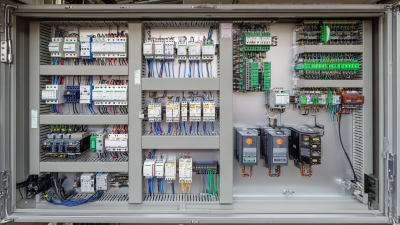
A reliable panel is not only a box filled with components. Its layout should leave space for inspection, replacement, and future expansion. Technicians often judge quality by small details, such as labeled terminals, organized wiring, and readable schematics. These details save time during a night repair.

Specifications still need verification. An enclosure rating that works indoors may fail near washdown areas. A remote connection may sound efficient, yet weak network coverage can create blind spots. Even experienced teams occasionally overdesign a panel and make it harder to use. Testing under realistic heat, vibration, dust, and workload conditions reveals those weaknesses before installation.

International Standards, Certifications, and Customization Options

Top 10 Control Panel Solutions for Global Buyers?

International Standards, Certifications, and Customization Options

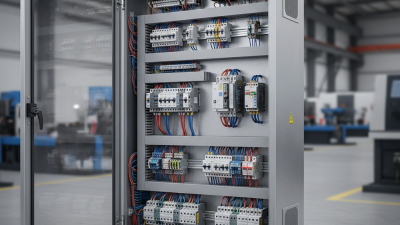
Global buyers need more than a polished control panel enclosure. They need documented compliance, repeatable testing, and clear technical communication. IEC 61439 supports low-voltage switchgear and controlgear assembly verification in many markets. Depending on the destination, UL 508A, CE, UKCA, or other regional requirements may also apply. Ingress protection ratings, such as IP54 or IP65, should match dust, moisture, and cleaning conditions. Standards vary.

Certification alone does not guarantee a suitable solution. Procurement teams should request wiring diagrams, component schedules, routine test records, and material traceability. Factory acceptance testing can verify alarms, interlocks, insulation resistance, and communication signals before shipment. A practical checklist prevents expensive misunderstandings. Small omissions matter. I have seen projects slow down because a cable gland specification was unclear. That detail seemed minor at quotation stage.

Customization should cover voltage, frequency, control architecture, enclosure material, cooling, and local wiring practices. Outdoor installations may require sunshields, heaters, drainage, or corrosion-resistant finishes. Food, chemical, and coastal environments demand stricter material choices. Digital interfaces may include Ethernet, serial communication, or secure remote monitoring, subject to site requirements. Buyers should confirm spare capacity for future expansion. Not every panel needs maximum complexity. Overengineering can increase maintenance risks and training costs. A reliable supplier explains trade-offs, records revisions, and accepts technical questions without hiding behind certificates.

How Global Buyers Can Evaluate Costs, Support, and Delivery

Top 10 Control Panel Solutions for Global Buyers?

Global buyers should compare control panels beyond the advertised subscription fee. In my procurement experience, the lowest quote often hides migration work, user limits, training, and regional taxes. Request a complete three-year cost sheet. Include setup, integrations, upgrades, backups, and technical support. A practical test uses real tasks, such as creating a user, exporting a report, or restoring a backup. Count every click. It reveals friction quickly.

Tips: Ask for support hours, response targets, and escalation contacts. Test a sample ticket before signing. Check whether agents understand your language and operating region. Do not rely on polished demonstrations. They can mislead.

Delivery affects both launch speed and operational risk. Confirm implementation milestones, documentation quality, and responsibilities on each side. For cloud delivery, examine uptime records, backup frequency, recovery procedures, and data-location options. For installed systems, calculate hardware, maintenance, and update management. A strong provider explains limitations clearly. That builds trust. I would also request references from buyers with similar traffic and multiple countries. Their experience may expose delays that sales materials ignore. Some evaluations still become too spreadsheet-focused. Ease of daily use deserves equal weight. A technically powerful panel can waste hours when menus feel confusing or support replies arrive late. Test it with the least technical team member. Their hesitation is useful evidence.

Top 10 Control Panel Solutions for Global Buyers

How global buyers can evaluate costs, support, and delivery

This neutral 100-point procurement model prioritizes total cost, support responsiveness, delivery reliability, security, and scalability. Buyers can adjust the weights according to their operational requirements and regional purchasing conditions.

Scroll to Top