
Top 10 Duraband Nozzle Band Heater Manufacturers Worldwide

A Duraband Nozzle Band Heater is designed to transfer heat around injection-molding machine nozzles, where stable temperatures help support consistent processing. Choosing one involves more than matching a diameter. Heater width, voltage, wattage, lead orientation, insulation, and operating conditions all affect fit and performance. A band that looks suitable in a catalog may still leave a gap or place its leads where they are difficult to connect. Small details matter.

This guide introduces ten manufacturers associated with Duraband-style nozzle band heaters and explains what buyers can compare. It considers product range, customization, technical documentation, quality controls, and access to application support. These are useful starting points, not proof that every supplier is right for every machine. Confirm dimensions and electrical requirements with the manufacturer, and request drawings or test information when needed. A polished product page is not enough. Supplier capabilities and availability can change, and public information may be incomplete. That deserves a second look. The most reliable choice is usually the one that can clearly confirm heater fit, operating limits, and service expectations for your specific equipment.
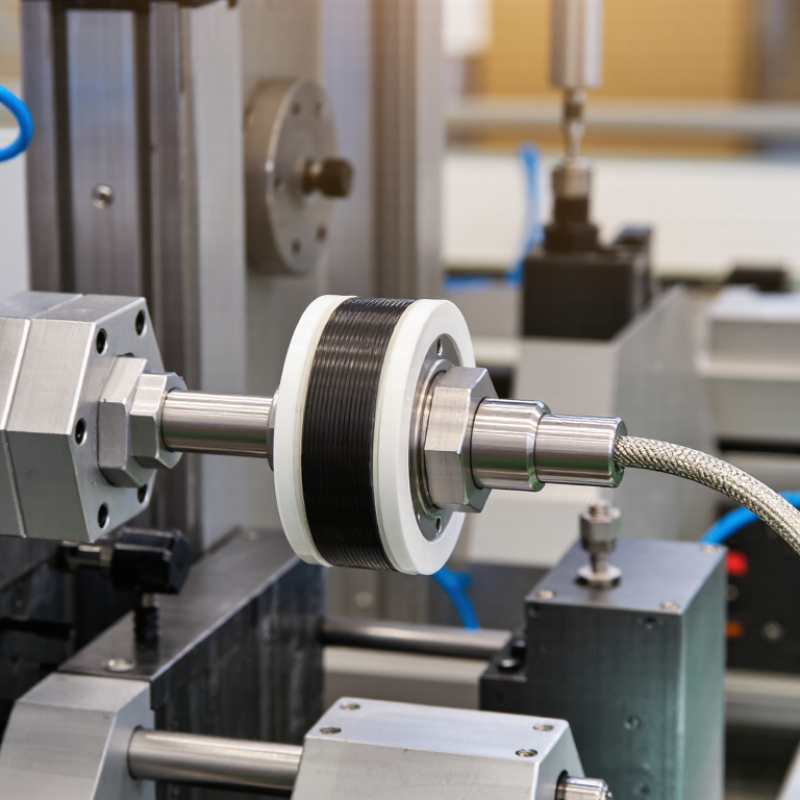
Top 10 Duraband Nozzle Band Heater Manufacturers Worldwide

Understanding Duraband Nozzle Band Heaters and Their Applications

Duraband nozzle band heaters wrap around an injection-molding machine’s nozzle, keeping the material warm as it moves toward the mold. Their close-fitting design helps transfer heat to the metal nozzle without taking up much space. This matters on crowded machines, where hoses, clamps, and neighboring components leave little room. Small gaps matter.

In daily production, stable nozzle temperature can help reduce cold spots, uneven flow, and material that freezes too early. Operators typically check the heater’s fit, wiring, and temperature readings during setup. A thermocouple placed near the nozzle can help the controller respond to changing heat demand. The correct temperature depends on the material and process, not just the heater.

A tidy installation is not proof of good performance. Loose bands, worn insulation, or poorly positioned sensors may create temperature differences along the nozzle. That can show up as inconsistent shots or visible variation in molded parts. Regular inspection helps catch these issues, though it cannot replace process testing. One detail is easy to overlook: frequent temperature swings may signal a control or fit problem, rather than a need to raise the setpoint.

Key Criteria for Comparing Worldwide Heater Manufacturers

Comparing worldwide Duraband nozzle band heater manufacturers requires more than checking price and advertised wattage. Start with the machine’s actual nozzle diameter, heater width, operating temperature, and available voltage. Even a small fit error can create uneven contact and slow heat transfer. Ask whether the manufacturer can work from a drawing or verify dimensions before production. Small details matter.

Review the heating element, sheath material, insulation, and terminal design against the process environment. A heater exposed to frequent temperature changes needs dependable construction and secure connections. Check how the supplier controls wattage and temperature uniformity, and whether suitable thermocouple options are available. Request relevant test records or inspection details; a specification sheet alone may not show how consistency is maintained. That is not enough.

Manufacturing capability is also part of the comparison. Ask about dimensional tolerances, material traceability, sample approval, and typical lead times. Clear technical support matters when a nozzle shape is unusual or an installation has limited clearance. Compare warranty terms and replacement availability, not only the initial quote. Public information can be incomplete, and manufacturers may describe performance differently. It is worth asking the same practical questions of each supplier, then checking answers against drawings and production requirements.

Key Criteria for Comparing Duraband Nozzle Band Heater Manufacturers

Suggested evaluation weights for comparing manufacturers worldwide. These are a decision-making framework, not measured company rankings or market statistics.

Prioritize fit and operating performance, then assess quality controls, delivery, and support. Adjust the weights to match your application, operating conditions, and procurement priorities.

Ten Notable Duraband Nozzle Band Heater Manufacturers Worldwide

A review of ten notable Duraband nozzle band heater manufacturers worldwide should focus on verifiable capabilities, not marketing claims. Compare heater dimensions, voltage options, insulation, terminal design, and temperature limits. A useful supplier can explain how its construction suits a specific nozzle and operating cycle. Ask for dimensional drawings and test documentation. Small details matter: a poorly placed lead can interfere with nearby fittings.

Manufacturers may differ in customization, production capacity, and technical support. Some focus on standard sizes; others handle unusual diameters or connection layouts. Check whether stated tolerances match your equipment, and confirm how a heater performs under repeated heating and cooling. A polished catalog is not proof of consistent quality. Rankings can also hide important differences, so treat any “top ten” list as a starting point, not a final verdict.

Tips: Share the nozzle dimensions, target temperature, supply voltage, and duty cycle before requesting a quote. Verify fit and electrical ratings against the equipment documentation. Leave room for doubt: specifications can look clear, yet installation conditions may change the result.

How Manufacturers Differ in Design, Materials, and Customization

Duraband nozzle band heaters can look alike in catalogs, but design choices affect heat transfer, fit, and service life. Split-shell and one-piece bands differ in installation access and contact pressure. A loose fit can create cold spots around a nozzle. Manufacturers also vary sheath metals, insulation, and terminal protection. Stainless-steel sheaths suit many general industrial environments, while hotter or corrosive conditions may require specified alloys. Small details matter. Lead direction, clamp style, and thermocouple placement can determine whether a heater clears nearby tooling.

Customization usually starts with nozzle diameter and band width, then adds voltage, wattage, watt density, cutouts, and lead length. Ask for dimensional tolerances and temperature-test information, not just a nominal power rating. The U.S. Department of Energy’s 2015 Bandwidth Study on Energy Use and Potential Energy Savings Opportunities in U.S. Manufacturing estimates that process heating accounts for about 36% of manufacturing energy use. This broad figure is not specific to nozzle heaters, but it shows why insulation and control accuracy deserve attention. I would compare drawings carefully; even a small mismatch can complicate installation.

Choosing a Manufacturer for Your Equipment and Operating Needs

Choosing a nozzle band heater manufacturer starts with your equipment, not a catalog. Record the barrel diameter, heated width, voltage, wattage, lead position, and operating temperature. A loose fit can create uneven heat transfer; a tight fit may make installation difficult. Fit matters. Ask how dimensions and electrical resistance are checked before shipment. Drawings or inspection records can help prevent costly mismatches, especially when replacing an existing heater.

Tips: Send clear photos, measurements, and details about your production cycle. Ask about insulation materials, terminal protection, lead length, and available tolerances. Confirm that the supplier can explain its recommendations in writing. A low quote may omit details that matter during installation. Ask for evidence.

For frequent starts and stops, discuss thermal cycling and expected service conditions with the manufacturer. If the heater runs near its temperature limit, explain that clearly; operating conditions affect material selection and expected life. Also check how technical questions and warranty claims are handled. A fast reply is useful, but a precise answer is better. Specifications can still leave gaps, so review the final drawing before approving production.

Scroll to Top