Top 10 VFD Control Panel Manufacturers for Global Buyers
Choosing a vfd control panel manufacturer is not a simple exercise in comparing prices. Global buyers must examine engineering depth, factory discipline, component quality, and local support. A panel may look polished, yet fail under heat, dust, voltage fluctuation, or repeated motor starts. Small details matter. Fan placement, cable separation, grounding, overload protection, and enclosure sealing can decide long-term performance.
Bimal K. Bose, a widely respected power-electronics authority, stated, “Power electronics is the technology of the future.” His observation remains relevant to variable-frequency drive systems. Modern panels must control speed accurately while limiting energy waste, electrical noise, and mechanical stress. Strong manufacturers also consider harmonics, EMC performance, thermal calculations, PLC communication, and safe maintenance access. Compliance with applicable standards, such as IEC 60204-1 or UL 508A, should be verified for the target market. Documentation matters too. Clear schematics and tested parameter settings can reduce commissioning time.
This guide reviews ten vfd control panel manufacturers serving international buyers. It considers product customization, drive-brand compatibility, quality systems, testing procedures, delivery capability, and after-sales service. Field experience is valuable here. A supplier that answers quickly during commissioning often proves more useful than one offering the lowest quotation. Still, no ranking is perfect. Project conditions differ, and a manufacturer suitable for a water plant may not fit a dusty factory or a high-speed conveyor line. Buyers should challenge every claim, request technical evidence, and compare the panel with their actual motor, site, and service requirements. That extra scrutiny can prevent expensive surprises.
What VFD Control Panels Are and How They Support Industrial Automation
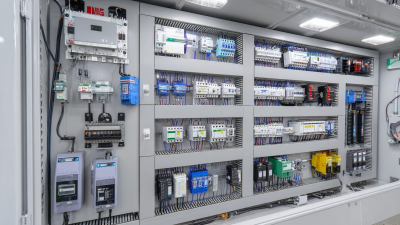
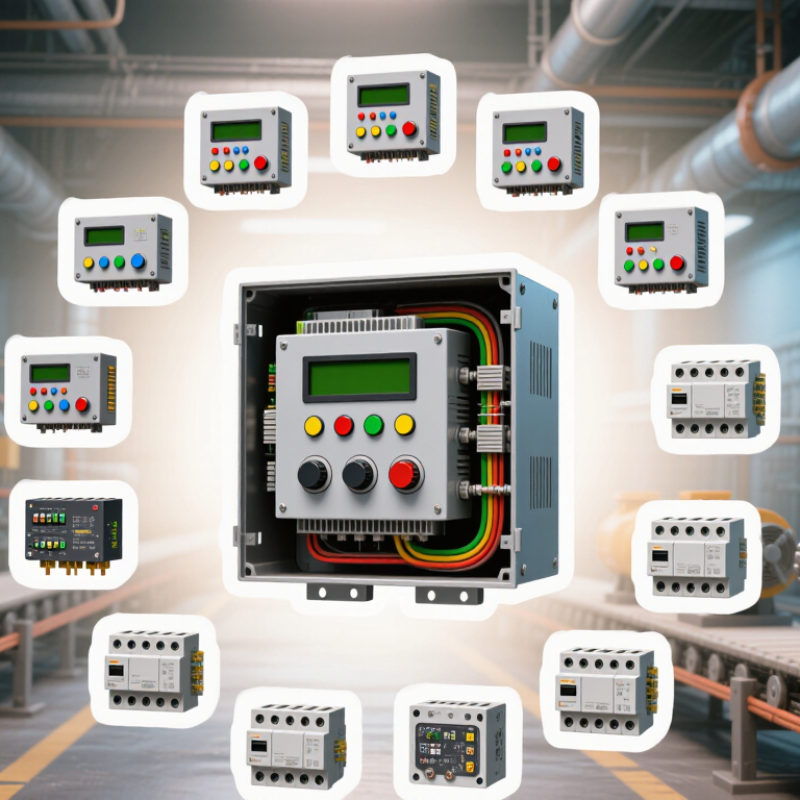
A VFD control panel is the working center between industrial power and motor-driven equipment. It combines a variable frequency drive, circuit protection, control terminals, cooling, and a protective enclosure. The drive adjusts motor speed by changing frequency and voltage. This helps conveyors, pumps, fans, and mixers operate closer to actual process demand.
In field commissioning, technicians often watch the motor current, panel temperature, and acceleration time together. A well-designed panel can reduce mechanical shock, improve process control, and lower energy use. It also gives operators useful signals, such as overload, overtemperature, and communication faults. However, no panel solves every problem. Poor cable routing or incorrect motor data can still cause noise, trips, or unstable speed. That detail is easy to underestimate.
Tips:
Check the motor’s rated current before selecting the VFD. Match the enclosure to dust, moisture, and cleaning conditions. Leave enough space for airflow and future maintenance. Confirm grounding and emergency-stop functions during commissioning. Record settings and test alarms under realistic loads. A factory test is valuable, but it cannot replace an on-site inspection. Global buyers should also review documentation, spare parts access, technical support, and local electrical requirements. The lowest purchase price may become expensive when troubleshooting is slow.
Criteria for Evaluating VFD Control Panel Manufacturers Worldwide
When comparing the top 10 VFD control panel manufacturers for global buyers, evaluate evidence rather than polished promises. Check their engineering experience with motors, pumps, conveyors, and harsh industrial environments. Ask for wiring diagrams, load calculations, thermal studies, and factory testing records. A reliable manufacturer should explain enclosure ratings, cooling methods, harmonic control, and emergency isolation clearly.
Compliance must fit the installation country and industry. Review relevant electrical certifications, inspection procedures, and traceable component records. Confirm whether technicians test insulation, grounding, terminal torque, and control signals before shipment. Strong manufacturers also provide multilingual manuals, clear labeling, remote support, and replacement-part guidance. Delivery history matters too. A low quoted price may hide weak documentation or costly commissioning delays. That assumption deserves checking.
Tips: Request two customer references from similar applications. Compare warranty terms, response times, and spare-part availability. Inspect a sample panel, not only product photographs. Ask how software settings are backed up and protected from unauthorized changes. Visit the facility when practical, or arrange a live video inspection. Be careful with impressive claims; independent test reports are stronger than sales language. Some evaluation points remain difficult to measure, especially long-term support quality. Record these uncertainties before choosing a supplier.
Top VFD Control Panel Manufacturers for Global Industrial Buyers
Top 10 VFD Control Panel Manufacturers for Global Buyers
For global industrial buyers, the top VFD control panel manufacturers should offer more than attractive pricing. They must understand motor loads, environmental conditions, and local electrical requirements. A reliable manufacturer begins with accurate load calculations, suitable enclosure selection, and clear wiring documentation. Small details matter. Terminal labels should remain readable after installation. Cooling fans must match the panel’s heat output. A dusty workshop can quickly expose weak designs.
Strong manufacturers usually provide tested assemblies, factory inspection records, and practical commissioning support. Buyers should examine control strategies, not only the VFD brand inside the cabinet. Useful features may include bypass operation, overload protection, emergency isolation, harmonic reduction, and communication through Modbus TCP, Ethernet/IP, or BACnet. For outdoor installations, buyers should verify enclosure ratings, corrosion protection, and temperature limits. IP65 is not automatically suitable for every site.
Global projects also need adaptable engineering. Voltage, frequency, cable standards, and safety rules differ between regions. The best suppliers explain these differences before production starts. They provide drawings in usable formats and respond quickly to technical questions. That is essential. However, no ranking is perfect. A manufacturer with excellent workshop quality may still offer slow overseas service. Another may provide strong documentation but limited customization. Buyers should request sample test reports, reference projects, spare-parts plans, and a realistic delivery schedule before approving the final supplier.
Key Differences in Products, Industries, Services, and Certifications
Top 10 VFD Control Panel Manufacturers for Global Buyers
When global buyers compare the top 10 VFD control panel manufacturers, product design reveals major differences. Some build compact wall-mounted panels for pumps and fans. Others engineer floor-standing systems for conveyors, cranes, or process lines. Panel ratings, enclosure materials, cooling methods, and harmonic controls affect performance on real sites. A low-cost panel may look attractive, yet weak heat management can shorten drive life. That lesson is easy to miss.
Industry experience matters as much as the inverter itself. Water plants often need corrosion resistance, remote monitoring, and stable pressure control. Food facilities may require stainless steel construction and cleanable surfaces. Manufacturers serving heavy industry should demonstrate testing records, wiring quality, and fault-response knowledge. Service differences appear after delivery. Ask about drawings, spare parts, commissioning, training, and response times. Certification claims should match current project requirements, not brochure language. Common evidence includes ISO quality systems and applicable electrical safety approvals. Still, certification does not replace competent engineering.
Tips: Request a sample inspection report, wiring diagram, and factory test record before ordering. Compare warranty exclusions, local support, and software compatibility in writing. Ask who approves design changes. Field audits often reveal cabinet access problems that quotations overlook. Measure the installation space twice. No shortlist is perfect, and a polished proposal can still hide weak after-sales support.
How to Select the Right VFD Control Panel Manufacturer for Your Project
Selecting the right VFD control panel manufacturer requires more than comparing cabinet prices. The IEA reports that electric motor systems consume about 45% of global electricity. Efficiency claims deserve careful testing.
Start with the application. Confirm motor power, starting torque, overload duration, ambient temperature, enclosure rating, and harmonic limits. A manufacturer should provide heat-loss calculations, wiring diagrams, protection coordination, and tested short-circuit ratings. Ask how panels perform at 40°C, not only in a clean showroom. Small details matter.
Review compliance with IEC 61439 for low-voltage assemblies and IEC 61800-5-2 where functional safety applies. Request factory test records, component traceability, and documented inspection procedures. The U.S. Department of Energy’s motor-system guidance also recommends evaluating the complete drive system, rather than judging the VFD alone. This includes motors, pumps, fans, controls, and operating profiles.
Look closely at service capability. Can engineers support commissioning across time zones? Are spare parts available for ten years? Does the supplier record firmware versions and parameter backups? These questions often reveal practical experience. A low quotation may hide weak ventilation design or limited after-sales support. I have seen projects specify oversized drives for comfort, then pay unnecessary losses for years. That choice should be challenged. Reliability is not just a certificate; it is stable operation, clear documentation, and responsive technical support.