China Top 10 Electrical Control Systems Manufacturers?
China’s electrical control systems industry serves factories, warehouses, utilities, buildings, and renewable energy projects. Its manufacturers range from large automation groups to specialized panel builders. This article examines ten notable Chinese companies through practical, comparable criteria. No ranking is flawless.
The review considers PLC and HMI capabilities, SCADA integration, variable-frequency drives, control cabinets, industrial networking, and safety functions. It also examines engineering experience, product testing, certifications, delivery performance, and after-sales support. A reliable supplier should provide clear wiring diagrams, stable software, traceable components, and responsive commissioning assistance. Site experience matters.
A factory floor reveals details that brochures often omit. Cabinet temperature, cable labeling, spare-part access, alarm clarity, and operator training can affect daily productivity. Manufacturers with projects in chemicals, water treatment, logistics, automotive, or power generation may demonstrate stronger application knowledge. However, project references should be verified rather than accepted without question.
Cost alone is a weak selection method. A cheaper panel may create longer downtime or difficult maintenance later. Buyers should compare lifecycle value, cybersecurity practices, local service coverage, and compatibility with existing equipment. Some companies appear impressive but provide limited public technical evidence. That deserves careful reflection.
The manufacturers discussed here are not automatically suitable for every project. Voltage standards, environmental conditions, production risks, and export requirements can change the decision. Interviews with engineers, factory audits, sample testing, and contract reviews remain essential. This introduction offers a practical starting point, not a substitute for technical due diligence.
Electrical Control Systems: Definition, Components, and Applications
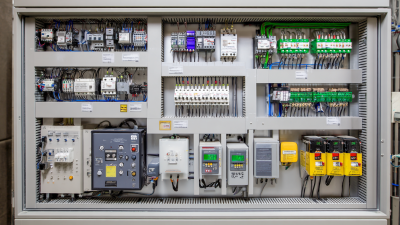
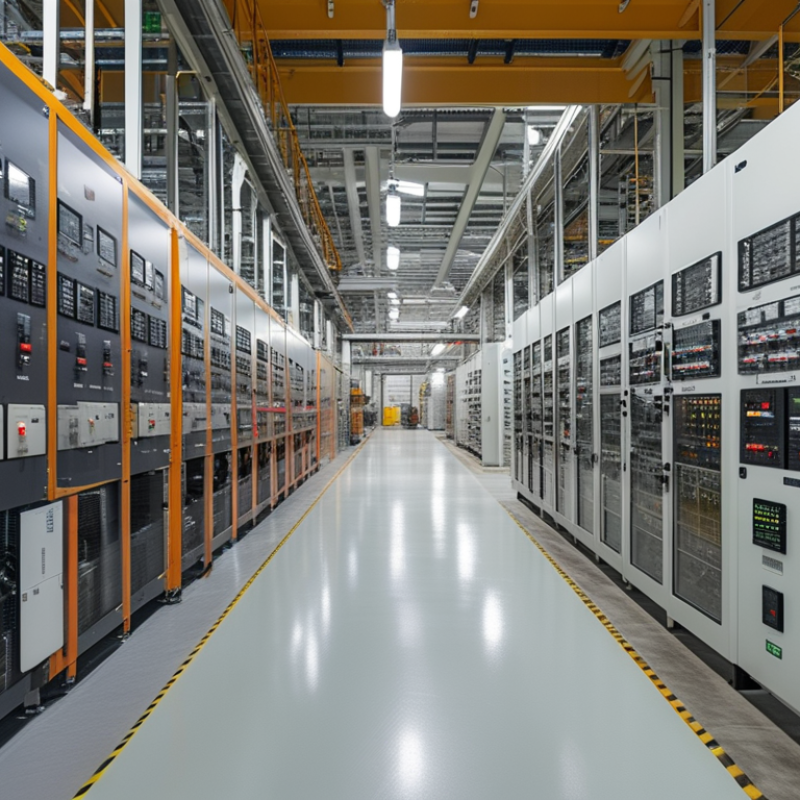
An electrical control system directs, monitors, and protects electrical equipment. It converts operator commands into controlled machine actions. Its core components include circuit breakers, contactors, relays, sensors, programmable controllers, drives, and human-machine interfaces. Power supplies and communication networks connect these parts into one operating structure.
The details matter. IEC 60204-1 emphasizes safe electrical equipment design, isolation, protection, and emergency stopping. In a practical factory panel, a sensor may detect temperature, a controller may adjust motor speed, and a drive may limit current. Industrial plants use these systems for conveyors, pumps, packaging lines, water treatment, and building services. They also support remote monitoring and predictive maintenance. Small errors spread quickly.
Demand is growing with electrification and automation. The International Energy Agency’s Electricity 2024 report forecasts global electricity demand growth of about 4% in both 2024 and 2025. This pressure makes efficient control and reliable protection more important. NIST SP 800-82 Rev. 3 also treats industrial control systems as environments requiring carefully managed cybersecurity and operational continuity. A system may pass a factory test yet fail under heat, dust, voltage variation, or poor maintenance. That uncomfortable gap deserves more attention. Selecting manufacturers should therefore involve component quality, safety documentation, lifecycle support, testing records, and field experience—not only purchase price.
Key Criteria for Ranking Chinese Control Systems Manufacturers
China Top 10 Electrical Control Systems Manufacturers?
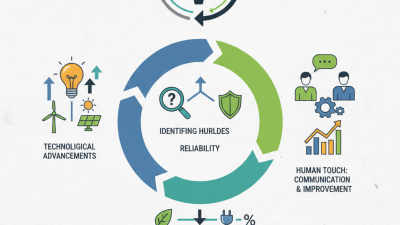
Ranking China’s top ten electrical control systems manufacturers requires more than revenue tables. A credible review examines engineering depth, factory discipline, and field performance. I look for documented projects in factories, water plants, logistics centers, and energy facilities. Photographs help, but commissioning records matter more. Ask whether panels survive heat, dust, vibration, and unstable power. These details reveal experience that brochures often hide.
Technical capability should include PLC programming, motion control, industrial networking, cybersecurity, and remote diagnostics. Qualified engineers should explain design choices in practical language. Testing deserves direct evidence: insulation checks, simulated faults, load tests, and recorded acceptance results. Reliable manufacturers also provide traceable components, revision control, manuals, and operator training. Relevant certifications support credibility, but certificates alone prove little. Verify their scope, issuing body, and expiration date.
Service quality can separate a strong supplier from a cheaper one. Compare response times, spare-part availability, warranty terms, and local support coverage. Transparent quotations should show engineering hours, software licenses, testing, installation, and future maintenance. Price is useful, but lifecycle cost is safer. Public data remains incomplete. Some smaller manufacturers may outperform larger competitors on customization and response speed. That possibility makes rankings imperfect, so site visits, customer interviews, and sample audits deserve serious weight.
China Top 10 Electrical Control Systems Manufacturers: Key Ranking Criteria
This chart presents a transparent, non-company-specific evaluation framework for comparing electrical control systems manufacturers in China. The criteria reflect commonly recognized procurement priorities, including compliance with IEC-based requirements, functional safety, system reliability, engineering capability, customization, lifecycle support, delivery performance, cybersecurity, energy efficiency, and documentation quality. The percentages represent suggested assessment weights rather than company results or market-share data.
China’s Top 10 Electrical Control Systems Manufacturers
China’s top 10 electrical control systems manufacturers should be judged by evidence, not advertising. A reliable review examines panel assembly, PLC integration, motor control, safety circuits, and after-sales support. Factory audits should check wiring quality, enclosure sealing, terminal labeling, and test records. Small details matter. A loose ferrule can stop an entire production line.
The strongest manufacturers usually serve demanding sectors, including water treatment, logistics, energy, machinery, and process automation. Some specialize in low-voltage switchgear and distribution panels. Others focus on industrial automation, drive systems, remote monitoring, or customized control cabinets. Their capabilities may include electrical design, software programming, simulation testing, and on-site commissioning. Clear documentation is essential, especially for maintenance teams working across language barriers. Buyers should request sample drawings, factory acceptance procedures, warranty terms, and response times for technical faults.
A top-ten comparison should also consider certification, production capacity, engineering staff, and delivery consistency. Certifications alone prove little. Independent testing and recent project references provide stronger evidence. In practice, the cheapest quotation may hide expensive integration work. I would verify component compatibility before signing any contract. No ranking is permanent. Market performance changes with leadership, supply chains, and service quality. Some manufacturers appear impressive during a showroom visit but reveal weak process control under a real production schedule. That gap deserves attention.
Products, Technologies, and Industries Served by the Top Companies
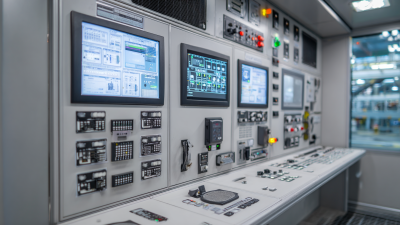
China’s top ten electrical control system manufacturers are best compared through products, technologies, and industrial performance. Their portfolios commonly include PLCs, HMIs, SCADA platforms, variable-frequency drives, servo controllers, safety modules, and industrial communication gateways. Many systems now support Ethernet-based protocols, edge computing, remote diagnostics, and digital-twin testing. Yet integration quality differs widely. A fast controller cannot compensate for poor wiring, unclear alarms, or weak maintenance training.
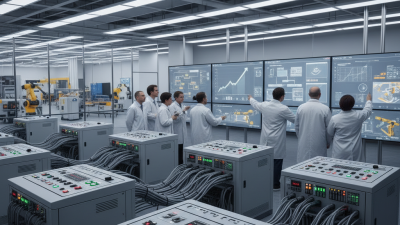
Factory automation remains a major market. The International Federation of Robotics reported 276,288 industrial robots installed in China during 2023, representing about 51% of global installations. This demand favors control suppliers that can coordinate robots, conveyors, vision systems, and traceability software on one production line. Automotive, electronics, battery manufacturing, packaging, and machine-building companies usually require millisecond-level motion control and detailed production data. Water treatment and renewable-energy projects need different strengths, including harsh-environment protection, redundant control, and stable remote monitoring.
Energy management is also reshaping product design. The International Energy Agency expects global electricity demand to grow strongly through 2025, increasing pressure on factories to measure and reduce consumption. Leading Chinese suppliers therefore combine motor control, power monitoring, predictive maintenance, and cloud-connected analytics. The ranking is not perfectly neutral. Some vendors excel in low-cost equipment, while others deliver better cybersecurity, documentation, or lifecycle service. Field trials, IEC compliance records, spare-parts access, and technician experience should influence the final choice more than catalog size.
How to Choose the Best Chinese Manufacturer for Your Project
Choosing from China’s top 10 electrical control systems manufacturers requires more than comparing prices. Your project may need PLC panels, motor control centers, sensor networks, or complete automation cabinets. Start with technical fit. Check voltage, load capacity, enclosure protection, communication protocols, and required safety standards. A capable manufacturer should explain these details clearly, not hide behind general promises.
Request drawings, component lists, test procedures, and sample project records. During a factory audit, inspect wiring quality, labeling, testing equipment, and document control. Ask how engineers handle design changes. One small revision can affect an entire production line. A lower quotation may look attractive, but missing software support or unclear exclusions can create expensive delays. Sometimes, the cheapest option is only cheap on paper.
Tips: Compare at least three detailed quotations. Ask for a Factory Acceptance Test before shipment. Confirm warranty response times, spare-part availability, and remote troubleshooting methods. Use a video inspection if travel is difficult. Also, require bilingual manuals and approved electrical drawings. These details feel minor until commissioning begins. Do not select a supplier only because its website looks impressive. Check verifiable references and speak with recent customers. Even experienced buyers can overlook communication gaps, especially when technical changes move quickly. Clear records, realistic schedules, and honest risk discussions usually matter more than polished sales language.