Top 10 HMI Panel Features You Must Know for Optimal Performance
In the rapidly evolving landscape of industrial automation, the role of HMI panels has become paramount. According to a recent report by MarketsandMarkets, the global Human Machine Interface (HMI) market is projected to reach $6.57 billion by 2025, growing at a CAGR of 10.2% from 2020. This surge underscores the critical importance of HMI panels in enhancing operational efficiency, user experience, and overall system interactivity. With the increasing complexity of industrial processes, understanding the essential features of HMI panels is vital for optimizing their performance and ensuring seamless integration within various systems.
As industries strive for greater productivity and higher levels of automation, HMI panels emerge as a crucial interface that bridges the gap between human operators and complex machinery. A recent study indicated that organizations that leverage advanced HMI solutions report a 20-30% increase in operational efficiency. To achieve these results, it is essential to be aware of the key features that HMI panels offer, such as responsive touchscreen capabilities, customizable user interfaces, and robust data visualization tools. By focusing on these features, businesses can not only enhance their operational performance but also adapt to the ever-changing demands of the industrial environment.
Key Considerations for Selecting HMI Panel Features
When selecting HMI panel features, it's essential to consider the specific needs of your application and operational environment. One of the foremost factors is the ease of use, which directly affects operator efficiency and productivity. A user-friendly interface can significantly reduce training time and enhance overall workflow. Additionally, it's important to evaluate the touchscreen technology, including sensitivity and responsiveness, as these attributes can impact how seamlessly operators interact with the system.
Another critical consideration is the display quality. High-resolution screens with good contrast and brightness support visibility in various lighting conditions, making it easier for users to monitor and control processes effectively. Furthermore, consider the durability and environmental ratings of the HMI panels, especially if they're deployed in harsh conditions. Factors such as resistance to moisture, dust, and extreme temperatures can determine their long-term functionality and maintenance needs. By focusing on these key aspects, you can ensure that the HMI panels integrated into your operations provide optimal performance and reliability.
Top 10 HMI Panel Features You Must Know for Optimal Performance
| Feature |
Description |
Importance |
Considerations |
| Touchscreen Capability |
Allows users to interact directly with the display. |
High |
Screen sensitivity and durability. |
| Resolution |
Refers to the clarity and detail of the display. |
High |
Higher resolutions improve usability. |
| Connectivity Options |
Includes Ethernet, USB, and wireless connections. |
Medium |
Ensures compatibility with existing systems. |
| Multitouch Support |
Ability to respond to multiple touch inputs simultaneously. |
High |
Enhances user interaction experience. |
| Durability and Protection Rating |
Resistance to environmental factors like water and dust. |
High |
IP ratings should match usage conditions. |
| Software Flexibility |
Ability to easily update and customize software. |
Medium |
Check for user-friendly programming environments. |
| User Interface Design |
Quality and intuitiveness of the UI. |
High |
Includes visual appeal and ease of navigation. |
| Data Logging Capabilities |
Ability to record and store operational data. |
Medium |
Consider storage options and limits. |
| Alarm and Notification Features |
Alerts operators to process anomalies or failures. |
High |
User-configurable settings for alerts. |
| Cost-effectiveness |
Balance between features and financial investment. |
Medium |
Consider total cost of ownership. |
Essential User Interface Design Elements in HMI Panels
User interface (UI) design in Human Machine Interface (HMI) panels plays a critical role in ensuring optimal performance and user satisfaction. According to a report from the International Society of Automation (ISA), an effective HMI can reduce operator errors by up to 30%. This is crucial in environments where precision and safety are paramount. Key UI design elements include clarity, accessibility, and feedback mechanisms. For instance, clear labeling and intuitive navigation reduce cognitive load, allowing operators to process information more efficiently. Research indicates that users are 20% more efficient when presented with a clean and straightforward interface compared to cluttered designs.
Moreover, responsiveness and adaptability are essential features in modern HMI panels. Data from the Human Factors and Ergonomics Society suggests that interfaces that adapt to user behavior can enhance the overall user experience significantly. Implementing features such as customizable dashboards or adjustable layouts enables operators to tailor the interface to their specific needs, fostering better decision-making in real-time. The integration of visual hierarchies, such as color coding and icon usage, aids operators in quickly identifying alarms and critical information, reducing response times and improving operational efficiency. These design elements not only optimize performance but also contribute to the overall safety and effectiveness of industrial operations.
Top 10 HMI Panel Features for Optimal Performance
This chart illustrates the importance of various HMI panel features based on user feedback and industry standards. A well-designed HMI panel can significantly enhance user experience and operational efficiency.
Importance of Connectivity Options in HMI Panels
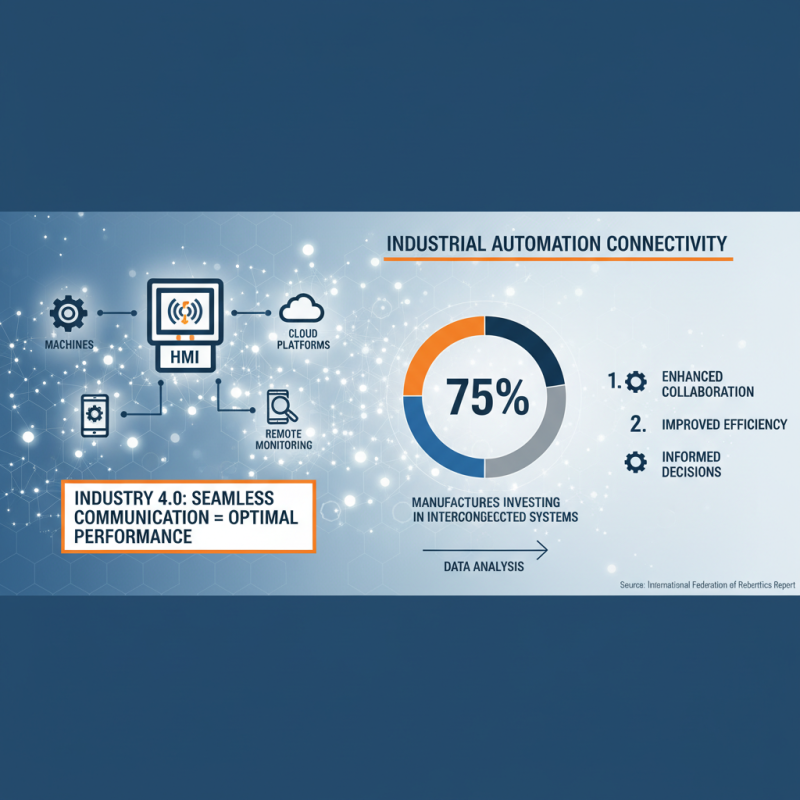
In the fast-evolving landscape of industrial automation, the importance of connectivity options in Human-Machine Interface (HMI) panels cannot be overstated. With the advent of Industry 4.0, seamless communication between devices is critical for achieving optimal performance. According to a recent report by the International Federation of Robotics, approximately 75% of manufacturers are investing in interconnected systems to enhance device collaboration. This trend highlights the growing reliance on effective connectivity to facilitate remote monitoring and data analysis, ultimately leading to improved operational efficiency.
Tips: When selecting an HMI panel, prioritize connectivity features such as Ethernet, Wi-Fi, and IIoT compatibility. These options not only enable real-time data exchange but also allow for easy integration into existing infrastructure, thereby reducing downtime and maintenance costs.
Moreover, the capability for remote access significantly enhances operational flexibility. A study by the European Automation Association indicated that 63% of companies achieve a sizable reduction in response time for equipment issues when utilizing connected HMI panels. This ability to swiftly address potential issues from afar translates into better resource management and lower operational risk.
Tips: Ensure your HMI panel supports various communication protocols, including MODBUS, Profibus, and MQTT. This versatility will enhance your system's adaptability to different environments and future-proof your investment as technology continues to evolve.
Advantages of Customization Capabilities in HMI Panels
The customization capabilities of Human-Machine Interface (HMI) panels significantly enhance their effectiveness and user experience. Customization allows operators to tailor the interface according to specific operational needs, leading to improved workflow efficiency. By adjusting layouts, colors, and functions, users can ensure that the most critical information is easily accessible, reducing the time spent navigating complex menus. This degree of personalization not only boosts productivity but also minimizes the chances of user error, as operators interact with an interface that they fully understand.
Tips: When selecting an HMI panel, consider choosing one that offers intuitive customization options. This will enable your team to adjust the panel as operational needs evolve. Additionally, providing training on how to personalize these interfaces can empower users and enhance their overall comfort with the technology.
Another advantage of customization is its role in improving the overall ergonomics of the working environment. HMI panels can be designed to fit the physical space and user preferences, which helps reduce strain during prolonged operations. This aspect can be particularly important in industries where operators spend significant time interacting with control systems.
Tips: Regularly review and update the customization settings of your HMI panels to adapt to changing workflows and user feedback. Engage with operators to gather insights on what aspects of the interface could be improved for better usability.
The Role of Data Visualization in Enhancing HMI Performance
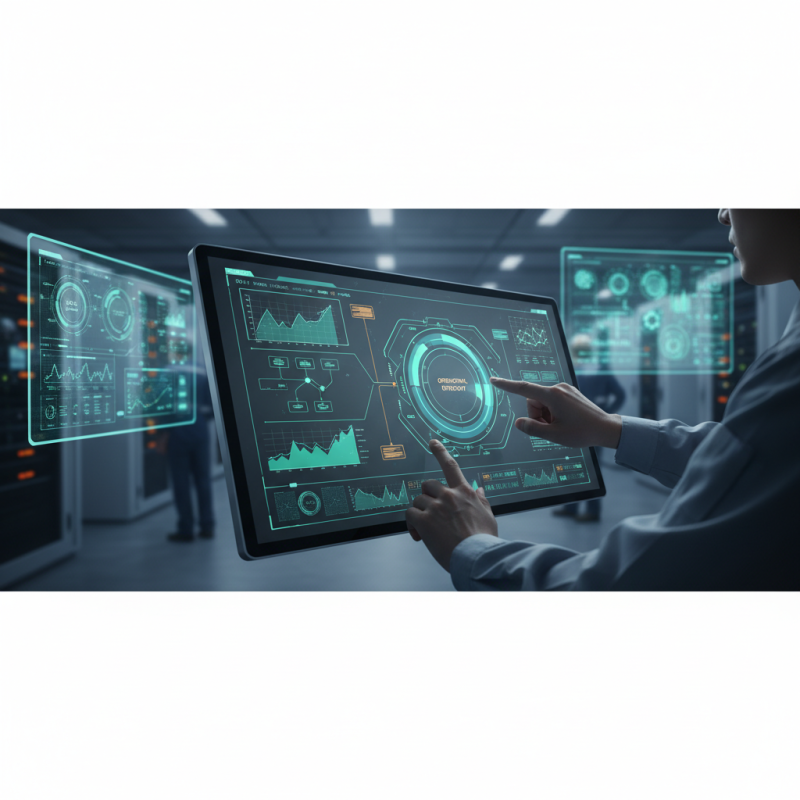
Data visualization plays a crucial role in enhancing the performance of Human-Machine Interface (HMI) panels. By transforming complex datasets into intuitive graphical representations, operators can quickly comprehend and interact with critical system information. Effective data visualization allows users to identify trends, anomalies, and operational efficiencies at a glance, significantly improving decision-making processes. This visual approach minimizes cognitive overload, enabling users to focus on essential tasks without being bogged down by overwhelming amounts of raw data.
Furthermore, interactive elements embedded in data visualizations empower operators to delve deeper into performance metrics and system status. Features such as touch-responsive graphs, color-coded alerts, and dynamic dashboards facilitate a more engaging user experience. As operators become more immersed in the data, they can respond proactively to issues, enhancing overall operational resilience. The strategic implementation of data visualization in HMI designs not only boosts user engagement but also contributes to a safer and more efficient environment by ensuring that vital information is always visible and comprehensible.