2026 Top Trends in Electrical Power Distribution Panels What to Expect?
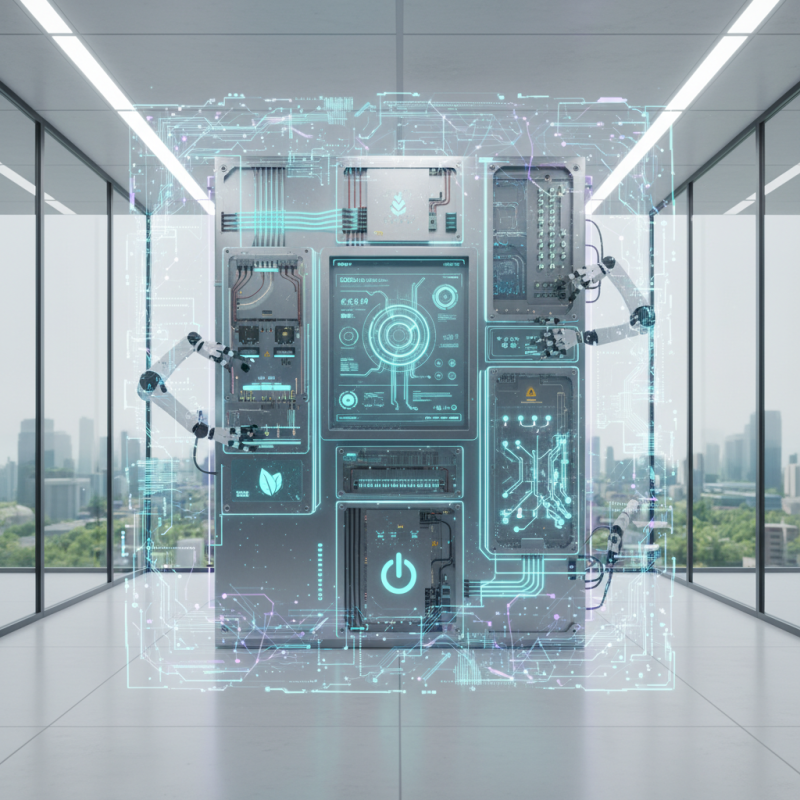
The future of electrical power distribution panels is both exciting and complex. As we approach 2026, several trends are emerging that will shape this vital industry. Smart technology integration will play a significant role, making systems more efficient.
Innovative designs will focus on sustainability. For instance, energy-saving features will reduce carbon footprints. New materials may enhance the durability of these panels. However, challenges may arise with the adoption of cutting-edge technology. Not all firms can keep pace with rapid advancements.
Moreover, cybersecurity will become an essential concern. As more devices connect to electrical power distribution panels, the risk of attacks increases. Companies will need to rethink their strategies. Embracing change is crucial, but it also requires careful planning and execution. Balancing innovation and security will define success in the coming years.
Emerging Technologies in Electrical Power Distribution for 2026
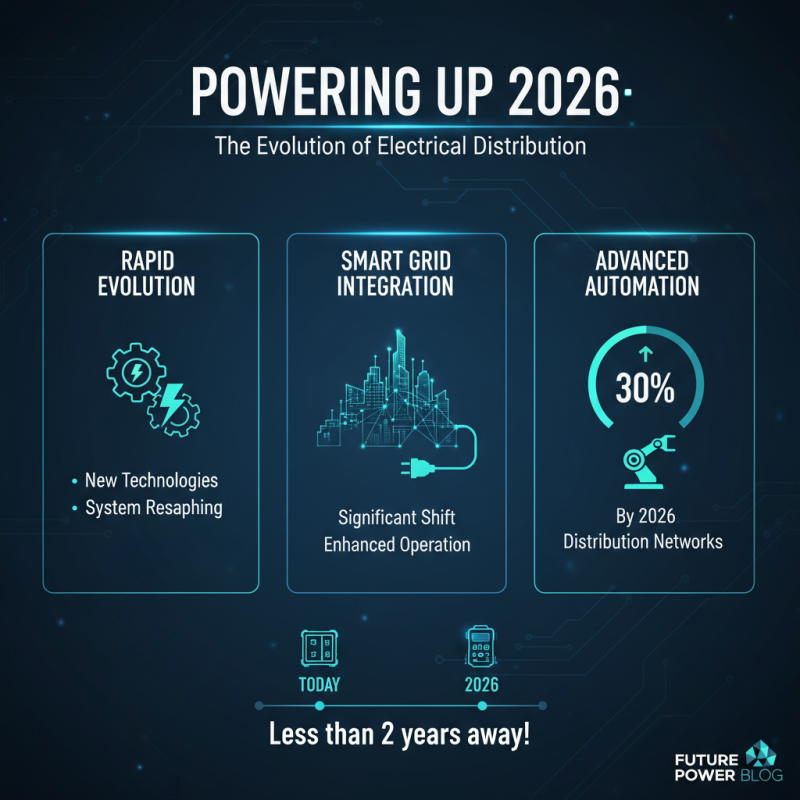
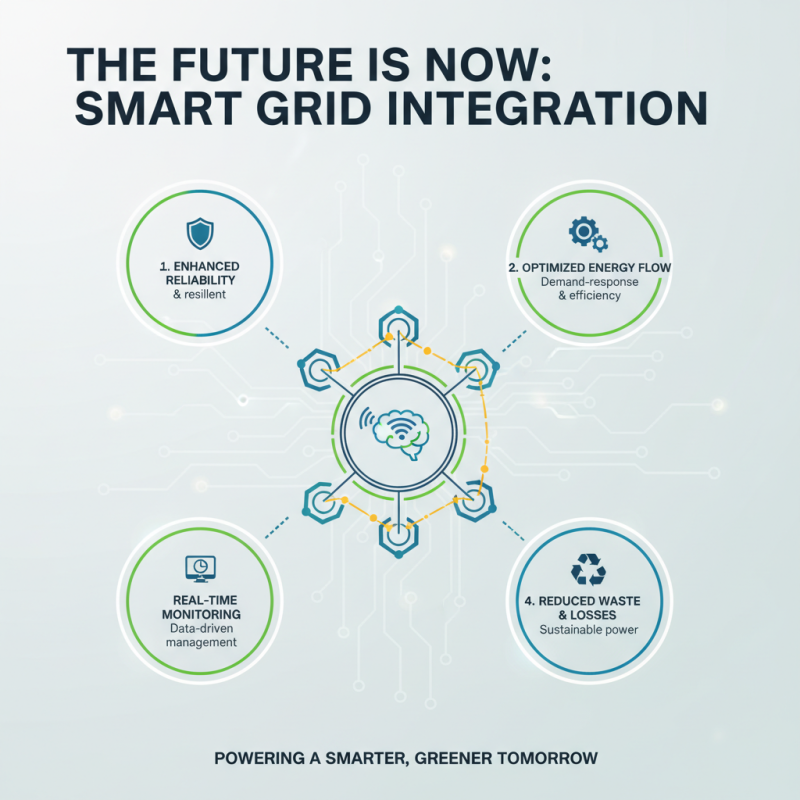
As we approach 2026, electrical power distribution panels are evolving rapidly. Emerging technologies are reshaping how these systems operate. The integration of smart grid technology will be significant. Reports indicate that by 2026, about 30% of electrical distribution networks will incorporate advanced automation features.
Data analytics plays a crucial role too. It helps in real-time monitoring and fault detection. A recent study showed that predictive maintenance could reduce downtime by 25%. This shift not only improves reliability but also lowers operational costs. However, challenges remain. The reliance on technology raises concerns about cybersecurity. With increasing interconnectivity, the risk of cyber threats grows.
Moreover, the push for sustainability cannot be overlooked. Renewable energy sources are being integrated into power distribution. By 2026, nearly 40% of new installations are expected to support solar and wind energy. This transition is not without hurdles. Balancing traditional and renewable sources presents complexities. These uncertainties require ongoing innovation and strategic planning.
Sustainability Trends Impacting Power Distribution Panels
The focus on sustainability is reshaping power distribution panels significantly. In recent years, the global shift towards renewable energy has influenced industry standards. A report by the World Energy Council notes that by 2026, 75% of new power distribution panels will incorporate sustainable materials. This is crucial for reducing carbon footprints.
Moreover, energy efficiency is becoming a top priority. The Energy Efficiency Improvement Act suggests that buildings using advanced electrical panels can cut energy consumption by up to 20%. This creates an urgent need for investments in modern technology.
Here are some tips to enhance sustainability in power distribution:
- Choose panels with eco-friendly certifications.
- Consider modular designs to reduce waste.
- Regularly audit energy usage to identify inefficiencies.
Despite these advancements, challenges remain. Not all industries are on board with these changes. Some sectors still resist investing in innovative solutions. This reluctance can hinder progress toward sustainability goals. A shift in mindset is essential for widespread adoption.
2026 Top Trends in Electrical Power Distribution Panels What to Expect? - Sustainability Trends Impacting Power Distribution Panels
| Trend |
Description |
Impact on Power Distribution Panels |
Year of Predicted Implementation |
| Smart Grids |
Integration of digital technology for efficient energy management. |
Improved real-time monitoring and management of electrical loads. |
2026 |
| Renewable Energy Integration |
Incorporating solar and wind energy solutions into power systems. |
Enhanced capability to handle variable energy sources. |
2026 |
| Energy Storage Solutions |
Advanced battery technologies for energy storage. |
Maximized energy efficiency and reliability in power distribution. |
2025 |
| Decentralization |
Shift from centralized power generation to localized generation. |
Increased resilience and reduced transmission losses. |
2026 |
| Sustainability Regulations |
Stricter government policies aimed at reducing carbon footprints. |
Requirement for power panels to comply with sustainability benchmarks. |
2026 |
Enhancements in Safety and Compliance for Distribution Panels
Enhancements in safety and compliance are crucial for electrical power distribution panels. As technology evolves, the standards for safety must also advance. In 2026, we can expect significant improvements in this area. New materials are being tested to enhance fire resistance. More efficient insulation types will help prevent short circuits.
Regular maintenance now focuses on compliance checks. Companies must ensure that their distribution panels meet local codes. These codes can change frequently, so staying informed is key. Visual indicators and alarms may become standard features. They can alert users of potential hazards in real time.
However, challenges remain in achieving universal compliance. Some older installations might resist upgrades due to cost. Everyone must balance safety with budget constraints. It is essential to prioritize safety while being pragmatic about expenses. Selecting the right tools and technologies will help overcome these obstacles. This approach can create safer environments for all users.
Consumer-Centric Innovations in Power Distribution Solutions
The future of power distribution panels is shaping up to be increasingly consumer-centric. Users today seek solutions that offer convenience and personalization. Smart panels can monitor energy usage in real time. They provide users with insights into their consumption patterns, aiding in energy efficiency. This fosters a sense of empowerment among users.
Innovative features are becoming commonplace. Wireless connectivity allows for seamless integration with home automation systems. Users can control their energy distribution from smartphones or tablets. However, the rush to innovate can sometimes lead to complications. Not all consumers are tech-savvy. Some may find these advancements daunting rather than helpful.
Visual interfaces are also evolving. Screens on power panels now provide clear data visualization. This caters to the visually inclined, making information more accessible. Yet, this shift poses a question of complexity. Is the additional information advantageous or overwhelming? Design and user experience must be carefully balanced as we progress into this new era.