
What Are EVBox Charging Stations?

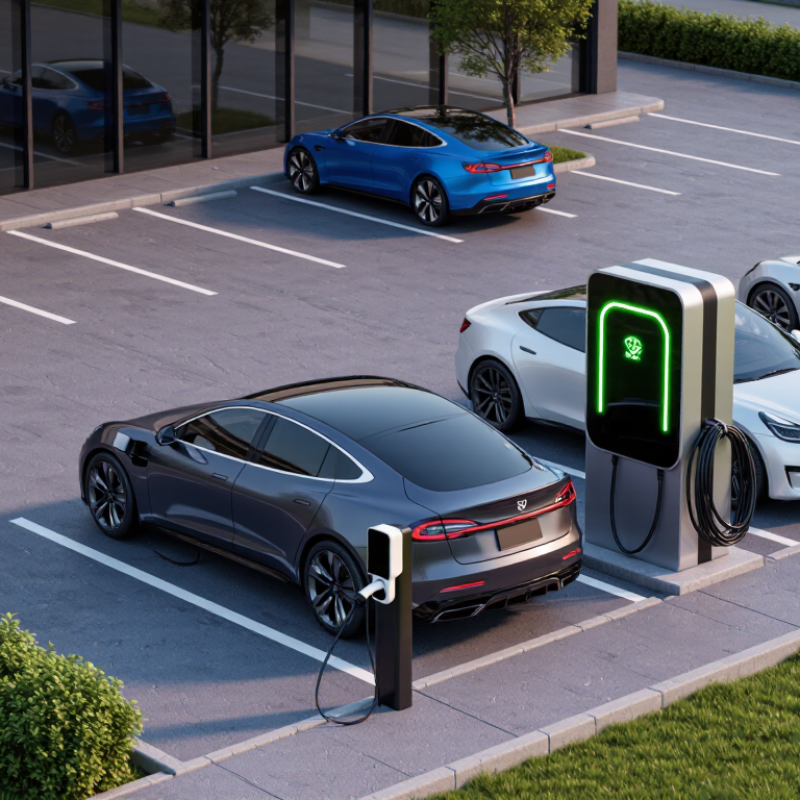
Evbox Charging Stations are electric vehicle charging systems designed for homes, workplaces, and public locations. They connect a vehicle to a power source and manage the flow of electricity during charging. Depending on the model and installation, a station may include a cable, a connector socket, status lights, and network features. A driver might see a light change from idle to charging while a car sits in a parking bay. Simple, but useful.

The name alone does not tell you how quickly a vehicle will charge. Power output, connector type, vehicle limits, and the electrical supply all affect the result. A charger’s network connection may also support access controls, usage records, or remote monitoring, where those features are available. Details vary by product and location. Check the specific model and its installation information before comparing stations. This is easy to overlook.

For property owners, the practical questions are often ordinary ones: where the cable reaches, who can use the charger, and how installation affects daily parking. For drivers, clear instructions and visible status indicators can make a stop less uncertain. Still, no charging station solves every problem. Availability, compatibility, and charging time depend on the vehicle and site. A careful comparison should consider those limits, not just the brand name. Some details remain easy to miss. That is worth remembering.
What Are EVBox Charging Stations?

What EVBox Charging Stations Are and How They Fit Into EV Charging

An EV charging station supplies electricity to a vehicle through a charging cable and connector. Some units provide AC power, which the vehicle converts internally. Others provide DC power directly to the battery, usually allowing faster charging. The exact speed depends on the station, the vehicle, and battery conditions. A fast charger cannot make every car charge at the same rate. That distinction matters.

Stations fit into a wider charging routine. A home unit can support overnight charging, while workplace and public chargers help drivers recharge away from home. Networked stations may show availability, record energy use, and process payments through an app or card reader. They are one part of the system, not a replacement for a suitable electrical connection or clear site planning. Cable reach, weather exposure, and accessibility deserve attention too. These details are easy to overlook.

Tips: Check your vehicle’s connector and maximum charging rate before choosing a station. Compare the displayed power with what your car can accept. At a public charger, inspect the cable and follow the screen prompts. If a session starts slowly, temperature or battery level may be the reason. Charging can feel less predictable than expected. That is worth remembering.

The Main Types of EVBox Charging Stations

The main types of electric vehicle charging stations are AC chargers and DC fast chargers. They differ in how they supply power and where they are most useful. AC stations send alternating current to the vehicle, whose onboard charger converts it for the battery. DC stations perform that conversion inside the unit and deliver direct current to the vehicle. The distinction affects charging speed, installation needs, and cost.

AC chargers are common at homes, workplaces, and parking facilities. A wall-mounted unit beside a garage can recharge a car overnight, while a pedestal charger can serve several parking spaces. Charging time depends on the station’s output, the vehicle’s onboard charger, and the battery’s condition. A busy public car park may need multiple units, not just one powerful charger. Small details matter.

DC fast chargers are designed for locations where drivers need shorter stops, such as highway rest areas. They are larger and typically require more electrical capacity and site planning than AC units. Actual charging speed can vary as the battery fills or temperature changes, so advertised maximum output is not a guaranteed constant. The labels can be confusing. When comparing station types, consider daily driving distance, parking duration, available electrical service, and the vehicles using the site. A fast charger is not always the practical choice.

How EVBox Charging Stations Deliver Power to Electric Vehicles

An electric-vehicle charging station connects a vehicle to the electrical supply and manages the transfer of energy. With AC charging, the station supplies alternating current, and the vehicle’s onboard charger converts it into battery-ready direct current. DC fast chargers perform that conversion inside the station. The vehicle and charger communicate before power flows. A small status light may change from blue to green. Simple to see.

During charging, control systems adjust the current to match the vehicle’s request and the station’s available capacity. They can reduce or stop power if a fault is detected. Charging speed is not fixed: the car’s battery limits, battery temperature, station output, and other connected vehicles can all affect it. A high-rated charger does not guarantee a fast session. That part is easy to overlook.

Tips: Check your vehicle’s charging connector and maximum charging rate before plugging in. Keep the cable fully connected, and watch the station display for errors. If charging seems unusually slow, the battery may be cold or nearly full; check the vehicle’s guidance before assuming the station is faulty.

What Are EV Charging Stations? How They Deliver Power to Electric Vehicles

Stage or Component What Happens Power Path Practical Details
Power supply The charging station receives electricity from a building or public electrical supply. Utility supply → site electrical panel → charging equipment Installation requirements depend on the available supply, local electrical codes, and the number and power of chargers.
AC charging The station supplies alternating current (AC) to the vehicle. The vehicle’s onboard charger converts it to direct current (DC) for the battery. AC supply → charging station → vehicle onboard charger → battery Common AC charging power levels include approximately 3.7–22 kW, subject to the station, vehicle, and electrical connection.
DC fast charging The charging equipment converts AC power to DC and supplies DC power to the vehicle’s battery system. AC supply → station power electronics → vehicle battery system Many public DC chargers provide tens to several hundred kilowatts. The vehicle and station jointly limit the actual charging rate.
Connection and safety checks After the connector is attached, the vehicle and station confirm that the connection is secure and that charging can begin safely. Connector ↔ vehicle charging inlet Charging does not normally begin until required checks, such as connection and safety interlocks, are satisfied.
Communication and control The station and vehicle exchange information needed to manage charging, including allowable voltage and current. Station control system ↔ vehicle control system Charging power can change during a session in response to vehicle limits, battery conditions, temperature, and station capacity.
Battery charging rate The vehicle’s battery management system monitors the battery and can request a lower charging rate when necessary. Charging equipment → vehicle battery system DC charging commonly slows as the battery approaches a high state of charge; temperature and battery design also affect the rate.
Energy delivered The amount of energy added is measured over the charging session. Charging power over time → energy in kilowatt-hours (kWh) As a simple estimate, 7.4 kW delivered for one hour is about 7.4 kWh before accounting for charging losses or changes in power.
Session completion Charging stops when the session ends, the vehicle signals that charging should stop, or a safety or operating limit is reached. Vehicle or user request → station stops power delivery The connector should be released according to the vehicle and station instructions before being unplugged.

Note: Charging speed and compatibility vary by vehicle, charger, connector, installation, and local electrical supply. The vehicle’s maximum charging capability may be lower than the charger’s rated output.

Key Features and Connectivity of EVBox Charging Stations

EV charging stations connect a vehicle to a power source while managing charging safely and clearly. Depending on the model, a unit may offer a compact wall-mounted design or a sturdy post beside a parking space. A screen, status light, or mobile interface can show whether charging has started and how much energy has been delivered. Small details matter. A clear indicator can save a driver from checking the cable twice.

Connectivity makes the station more useful beyond the charging session. Wi-Fi, cellular service, or an Ethernet connection may link it to software for remote monitoring, usage reports, and fault alerts. Drivers may start a session with an app, access card, or contactless payment, depending on the setup. Site managers can review energy use and spot a unit that has stopped responding. Not every feature is available on every station, so specifications should be checked before installation.

Smart charging controls can adjust power in response to site demand or scheduled operating hours. This may help reduce strain on a building’s electrical supply, but it depends on compatible equipment and a reliable network. Connectivity can also fail. A station should still provide clear local instructions when an app or signal is unavailable. That point is easy to overlook. Ease of use matters as much as advanced reporting, and real-world performance deserves checking after installation.

Where EVBox Charging Stations Are Installed and Used

Charging stations are most useful where electric vehicles already spend time. Homes are a common setting: a wall-mounted unit in a garage or beside a driveway can recharge a car overnight. In apartment buildings, shared parking areas may have several units for residents. Access, electrical capacity, and clear parking rules all affect whether that setup works well.

Workplaces often install chargers in employee car parks, where vehicles may remain for hours. Hotels, shopping centers, and visitor attractions can offer charging while guests eat, shop, or attend events. Public parking garages and roadside rest areas serve drivers who need a charge away from home. Delivery depots and fleet yards may use dedicated charging areas, planned around vehicle schedules. A convenient curbside location may still be awkward if cables cross walkways. Small detail, big difference.

Tips: Check parking duration, charger access, and nearby electrical supply before choosing a location. Keep cables away from pedestrian routes, and make signs easy to see. For shared sites, consider how drivers will find an available charger. A site can look ideal on a plan, yet feel inconvenient during a busy evening.

Where EV Charging Stations Are Installed and Used

Charging stations are commonly found at homes, workplaces, destinations, and along highways. Typical charger power varies by location and charger type.

Bars show typical charger power ratings in kilowatts (kW), not guaranteed vehicle charging speeds. Actual power depends on the charger, vehicle, and site electrical capacity.

Scroll to Top