What Is Acrylic Topcoat and How Is It Used?

Acrylic Topcoat is the visible finishing layer that protects painted or coated surfaces from sunlight, moisture, abrasion, and everyday staining. It is commonly applied to metal panels, concrete, wood, plastics, and architectural façades. The surface may look simple, yet its performance depends on resin chemistry, film thickness, substrate preparation, and curing conditions.

Industry research supports this growing role. Grand View Research’s water-based coatings market report identifies construction, automotive, and industrial maintenance as major demand areas. The report also links market growth with lower-VOC formulations and stricter sustainability expectations. MarketsandMarkets similarly highlights acrylic technology for its weather resistance, color retention, and formulation flexibility. These reports describe broad coating markets, not every Acrylic Topcoat application. That distinction matters.

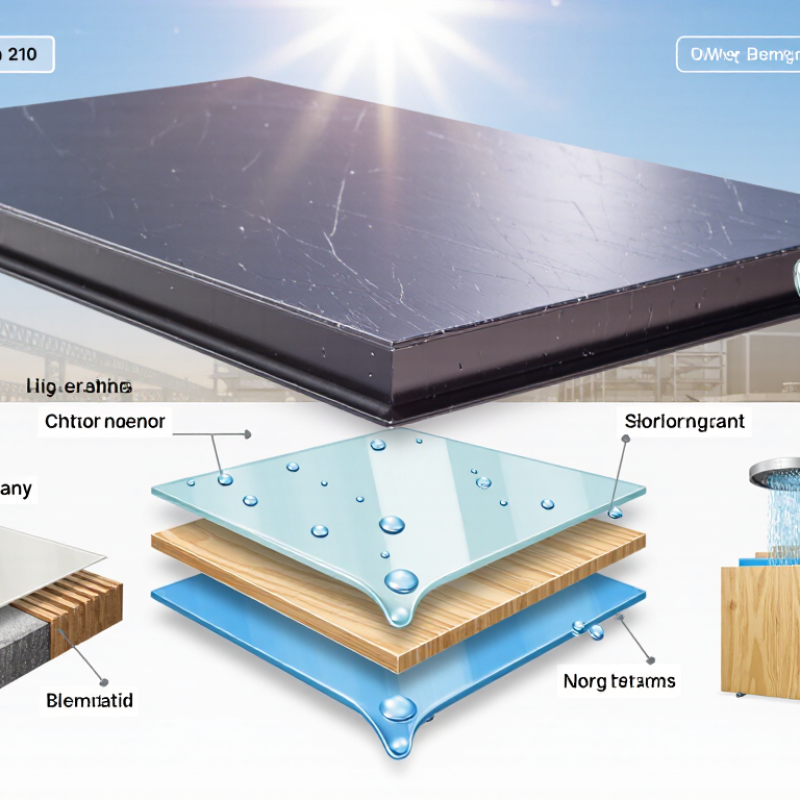
Dr. George Wypych, a recognized materials scientist and author of Handbook of Material Weathering, states, “Weathering resistance must be evaluated as a system property, not as a resin claim alone.” His point is practical. A premium acrylic resin cannot compensate for dust, trapped moisture, poor adhesion, or an unsuitable primer. Picture a sun-facing metal panel: its dark color absorbs heat, while tiny surface scratches expose weak points. The topcoat must handle both conditions.

This guide explains what Acrylic Topcoat is, how professionals select it, and where application mistakes commonly occur. It also examines gloss, flexibility, adhesion, drying time, and outdoor durability. Some results remain unpredictable. Field testing is still essential. A laboratory panel cannot fully reproduce rain, heat cycles, cleaning chemicals, and years of handling.

What Is Acrylic Topcoat and How Is It Used?

Definition and Composition of Acrylic Topcoat

What Is Acrylic Topcoat and How Is It Used?

An acrylic topcoat is a finishing layer applied over a prepared surface. It protects the underlying coating from moisture, sunlight, abrasion, and everyday handling. Unlike a primer, it is not mainly designed to improve adhesion or seal porous materials. Its main role is surface protection and appearance.

Most acrylic topcoats contain acrylic polymer resin dispersed in water or dissolved in a solvent. The resin forms a continuous film as the liquid dries and cures. Other ingredients may include pigments, ultraviolet absorbers, defoamers, flow-control agents, and preservatives. Clear versions reveal the surface beneath, while pigmented versions add color and help hide minor visual differences. The exact formula changes performance. A coating for exterior metal may need stronger weather resistance than one for interior wood.

Application starts with a clean, dry, and properly prepared substrate. Dust, grease, loose paint, and excessive moisture can weaken the film. A brush, roller, or spray system may be suitable, depending on the product and surface shape. Thin, even coats usually reduce runs and uneven gloss. Allowing sufficient drying time matters.

Small details matter.

A practical lesson is to test a hidden area first. Acrylic finishes can look different under warm indoor light and direct sunlight. They may also feel dry before reaching full hardness. Compatibility is not automatic, especially over glossy, flexible, or unknown coatings. Reading the technical data sheet and checking adhesion after curing prevents avoidable failures. Mistakes happen. Surface preparation is often the overlooked cause.

What Is Acrylic Topcoat and How Is It Used? - Definition and Composition of Acrylic Topcoat

Data Dimension Typical Information Definition, Composition, or Use
Definition Protective finishing coating An acrylic topcoat is the final coating layer applied over a substrate or coating system to provide protection, color, gloss, and surface performance.
Primary Binder Acrylic resin or acrylic copolymer The binder forms the continuous film after drying or curing. It provides adhesion, hardness, flexibility, weatherability, and resistance to chemicals or moisture, depending on the formulation.
Common Acrylic Types 100% acrylic Acrylic copolymer Styrene-acrylic Pure acrylic systems generally offer strong exterior durability and color retention. Copolymer systems are formulated to balance cost, hardness, flexibility, adhesion, and environmental resistance.
Carrier or Medium Waterborne Solventborne Waterborne topcoats use water as the main carrier, while solventborne topcoats use organic solvents. The choice affects odor, drying behavior, application conditions, and regulatory requirements.
Typical Composition Binder, carrier, pigments, additives, and optional fillers Pigments provide color and opacity. Additives may improve leveling, foam control, flow, wetting, UV resistance, storage stability, or surface appearance. Fillers can adjust cost, texture, hardness, and film properties.
Curing or Drying Mechanism Water or solvent evaporation; optional chemical crosslinking Many acrylic topcoats form a film as the carrier evaporates and the particles coalesce. Some systems also use crosslinking reactions to improve hardness, chemical resistance, and durability.
Appearance Options Gloss, semi-gloss, satin, or matte The finish level is controlled by resin selection, pigment volume concentration, matting agents, and application conditions. Gloss surfaces usually provide stronger visual depth, while matte finishes reduce reflected light.
Main Performance Benefits Color retention, weather resistance, adhesion, and surface protection Acrylic topcoats are commonly selected for good resistance to sunlight, rain, oxidation, and general outdoor exposure. Actual performance depends on resin chemistry, film thickness, substrate preparation, and curing.
Typical Substrates Metal, concrete, masonry, wood, plastics, and previously coated surfaces The topcoat must be compatible with the substrate and any primer or intermediate coat. Surface cleaning, drying, profiling, and removal of loose material are important for reliable adhesion.
Common Applications Buildings, equipment, furniture, vehicles, infrastructure, and industrial components Acrylic topcoats are used where a decorative and protective finish is required, including architectural surfaces, metal structures, exterior wood, concrete, and maintenance coating systems.
Application Methods Brush, roller, air spray, or airless spray The suitable method depends on product viscosity, substrate geometry, required film thickness, and project size. Application tools should be clean and appropriate for the selected waterborne or solventborne system.
Surface Preparation Clean, dry, sound, and properly profiled surface Dust, oil, grease, rust, salts, loose paint, and other contaminants should be removed. Porous or bare substrates may require a compatible primer before the acrylic topcoat is applied.
Film Thickness Specified as wet-film or dry-film thickness The required thickness varies by product and application. Excessive thickness can cause slow drying, sagging, cracking, or incomplete curing, while insufficient thickness may reduce protection and coverage.
Drying and Recoat Factors Temperature, humidity, airflow, film thickness, and substrate condition Higher humidity, low temperature, poor ventilation, and thick application generally extend drying or recoat times. Always follow the technical requirements for the specific formulation.
Limitations Variable chemical resistance, substrate compatibility, and application sensitivity Not every acrylic topcoat is suitable for immersion, severe chemical exposure, continuous high temperatures, or incompatible substrates. Product selection should match the expected service environment.
Storage and Handling Protect from freezing, excessive heat, contamination, and prolonged direct sunlight Containers should remain sealed when not in use and be handled according to the product safety information. Waterborne formulations are particularly sensitive to freezing conditions.

Key Properties and Performance Benefits

What Is Acrylic Topcoat and How Is It Used?

Key Properties and Performance Benefits

An acrylic topcoat is a protective finishing layer applied over prepared surfaces. It is commonly used on metal, concrete, wood, and previously coated materials. The coating forms a continuous film after water or solvent evaporates. This film helps resist moisture, sunlight, light abrasion, and everyday surface dirt.

Its strongest feature is weather stability. Quality acrylic formulations retain color and flexibility during repeated heating and cooling. That flexibility matters on exterior panels, where rigid coatings may crack as temperatures change. Acrylic topcoats also dry relatively quickly, which can reduce dust collection during application. Some formulations provide a low-odor finish, supporting more comfortable work in properly ventilated areas.

Preparation still controls the result. I have seen attractive coatings fail because dust remained along edges or the surface held invisible grease. Cleaning, light abrasion, and complete drying are practical steps, not minor details. Apply the coating in thin, even passes with a suitable roller, brush, or spray method. Thick layers can wrinkle, dry unevenly, or remain soft underneath.

Do not expect acrylic to solve every surface problem. Constant immersion, harsh chemicals, or heavy industrial wear may require a more specialized system. Temperature and humidity also change drying times. A small test area can reveal poor adhesion before the full application begins. The finish may look perfect at first, yet performance depends on preparation, film thickness, and real exposure conditions.

Common Applications Across Materials and Industries

What Is Acrylic Topcoat and How Is It Used?

An acrylic topcoat is a protective finishing layer made from acrylic resin, pigments, and functional additives. It forms a continuous film after application and drying. The film can resist ultraviolet exposure, light moisture, abrasion, and everyday staining. Water-based versions usually produce lower odor and simpler cleanup. Solvent-based systems may offer stronger flow on difficult surfaces. Selection still depends on chemistry, temperature, and substrate preparation.

Common Applications Across Materials and Industries

On metal, acrylic topcoats protect railings, equipment housings, doors, and fabricated panels. They help preserve color while slowing surface oxidation. On wood, the coating supports furniture, cabinetry, siding, and interior trim. Concrete floors and walls may receive acrylic finishes in workshops, warehouses, and retail spaces. Plastics can also be coated, but adhesion testing is essential. Some plastics reject the film.

Roof maintenance is another practical application. The U.S. Department of Energy states that cool roofs can remain up to 50°F cooler than conventional roofs under strong sunlight. Reflective acrylic coatings can contribute to that effect when correctly specified. The 2023 Buildings–Global Status Report notes that buildings use about 30% of global final energy. This makes surface maintenance relevant, though a topcoat alone cannot solve energy waste.

It is not magic. Surface cleaning, film thickness, curing time, and local climate control performance. In field work, missed edges and damp substrates remain common failure points. A small test patch is often wiser than a confident assumption.

Surface Preparation Before Applying Acrylic Topcoat

What Is Acrylic Topcoat and How Is It Used?

Surface Preparation Before Applying Acrylic Topcoat

Acrylic topcoat protects and colors prepared surfaces. Its performance depends heavily on the surface beneath it. Preparation is not a quick cleaning step. It controls adhesion, appearance, and service life.

Inspect the surface in strong, angled light. Look for peeling coatings, hairline cracks, grease, chalking, and moisture marks. Remove loose material with a scraper or firm brush. Wash away dirt and oil using a suitable cleaner. Rinse carefully, then allow the surface to dry completely. A slightly damp surface can cause weak bonding and cloudy patches.

Do not skip repairs. Fill small defects with a compatible repair compound, then sand them smooth. Remove sanding dust with a clean, dry cloth or vacuum. Glossy areas usually need light abrasion. Excessive sanding can damage the substrate. I have learned that rushed dust removal often creates rough specks in the finished coat. It seems minor, but sunlight makes every particle visible. Check the surface again by touch. It should feel clean, dry, and even.

Temperature and humidity also matter. Follow the coating’s technical instructions for suitable application conditions. Mask nearby edges and protect hardware before mixing the product. Apply a small test patch on unfamiliar materials. Wait for it to dry and check adhesion, color, and texture. Some surfaces may require a compatible primer, but assumptions can lead to failure. Read the preparation guidance for the specific substrate, and record any areas that still need attention.

Application Methods, Curing, and Maintenance

Acrylic topcoat is a protective finishing layer used over painted, sealed, or coated surfaces. It forms a clear or pigmented film that helps resist moisture, light wear, staining, and mild weather exposure. The final result depends heavily on surface preparation. Dust, grease, and loose paint can weaken adhesion, even when the product itself is suitable.

Application methods vary with the project. A brush works well for edges and small repairs, while a short-nap roller can produce an even finish on broad panels. Spraying may create the smoothest appearance, but it requires controlled ventilation and careful masking. Apply thin, consistent coats rather than one heavy layer. Heavy application can cause runs, clouding, or slow drying. I sometimes find that a second coat looks better after light sanding, although sanding too aggressively can damage the first layer.

Curing is more important than simple touch-drying. A surface may feel dry but remain soft underneath. Follow the stated recoat time, temperature range, and humidity limits. Cooler air and damp conditions usually extend curing. Avoid washing, stacking, or heavy handling until the film has hardened fully. For maintenance, use a soft cloth, mild cleaner, and limited water. Harsh solvents and abrasive pads may dull the finish. Inspect high-contact areas periodically. Small scratches are easier to repair before moisture reaches the underlying surface. Still, no topcoat lasts forever, and neglected surfaces may need cleaning, recoating, or partial removal.

Scroll to Top