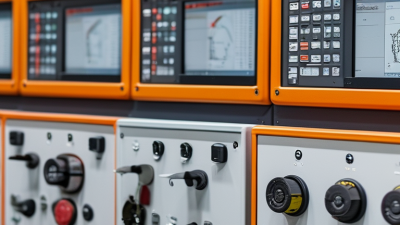
China Top Automation Control Panel Manufacturers

China has become a major source of industrial control equipment, serving factories across manufacturing, energy, logistics, and infrastructure. This guide examines China’s top automation control panel manufacturers through practical and technical criteria. It focuses on engineering capability, production quality, customization, and after-sales support.

A reliable manufacturer should understand more than wiring and enclosure assembly. Its engineers must translate process requirements into safe, maintainable, and scalable control systems. Important details include PLC selection, HMI configuration, variable frequency drives, safety relays, communication protocols, and thermal management. Factory conditions also matter. Organized wiring, labeled terminals, clean cable ducts, and documented testing reveal professional discipline. Small details matter.

The companies discussed in this overview are assessed by their project experience, technical credentials, quality procedures, and ability to support international customers. Attention is also given to design software, factory acceptance testing, electrical documentation, and compliance with applicable standards. However, rankings should not be treated as permanent facts. Capabilities can change, project results may vary, and impressive websites cannot replace verified references. Buyers should request drawings, test records, sample projects, and clear warranty terms before making decisions. A strong supplier listens carefully, identifies operational risks, and explains limitations honestly. That is often more valuable than a low initial quotation. This introduction provides a practical starting point for comparing manufacturers and selecting an automation control panel partner with dependable long-term value.
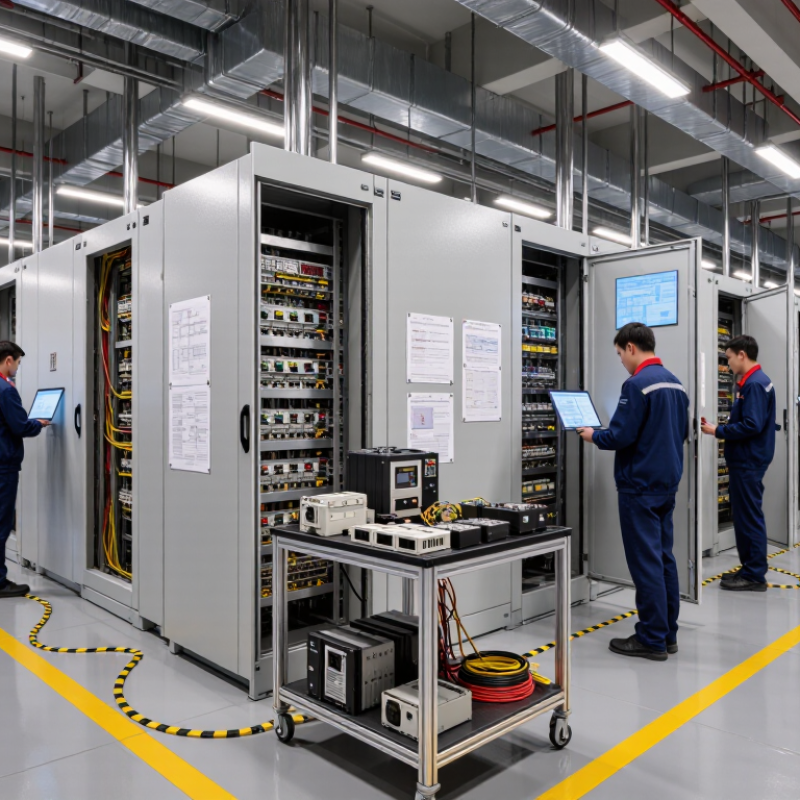
China Top Automation Control Panel Manufacturers

Definition and Role of Automation Control Panels

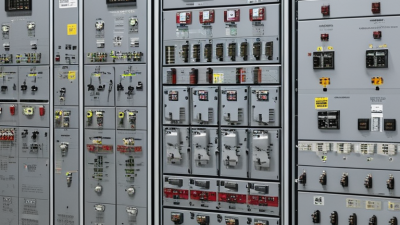
An automation control panel is the operating center of an industrial machine. It houses controllers, circuit protection, power supplies, relays, drives, and communication devices. These parts convert production instructions into controlled electrical actions.

The panel also protects people and equipment. It separates high-voltage power from low-voltage signals. It monitors temperature, pressure, speed, and emergency conditions. According to the International Federation of Robotics, factories installed about 541,000 industrial robots worldwide in 2023. Each installation needs dependable control architecture, clear wiring, and maintainable interfaces. The MarketsandMarkets Industrial Automation Market report projects strong market growth through 2028, driven by connected equipment and real-time data. Yet, automation alone does not guarantee reliability. A poorly labeled terminal can delay repairs for hours. That detail is easy to underestimate.

Tips: Check heat dissipation before selecting the enclosure. Leave space for future modules. Use wire numbers that match the drawings. Confirm short-circuit ratings and grounding requirements under applicable IEC or national standards. Test alarm signals under realistic load conditions, not only during idle operation. Ask technicians to review access and service steps. Their practical experience often reveals design weaknesses. Even experienced engineers miss something. A second inspection remains valuable.

Core Components Used in Industrial Control Panels

China Top Automation Control Panel Manufacturers

Core Components Used in Industrial Control Panels

Industrial control panels combine power, logic, protection, and communication in one organized enclosure. The enclosure protects internal parts from dust, moisture, vibration, and accidental contact. A main disconnect allows technicians to isolate power during service. Circuit breakers and fuses protect wiring from overloads and short circuits.

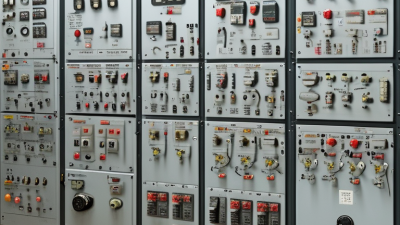
The control layer usually includes a programmable logic controller, input and output modules, relays, terminal blocks, and a human-machine interface. Motor applications may require contactors, overload relays, or variable frequency drives. A regulated power supply converts incoming voltage for sensors and control devices. Network switches support data exchange between controllers, drives, and supervisory systems. In my panel inspections, loose terminals caused more trouble than complex programming. That detail deserves more attention.

Tips: Keep power and signal wiring physically separated. Label every terminal clearly. Leave spare space for future components. Check heat buildup with the cabinet doors closed. A cooling fan may help, but it can also draw in dust. Grounding must be tested, not simply assumed. Safety relays and emergency-stop circuits need independent verification. Test each input and output before commissioning. No shortcuts here.

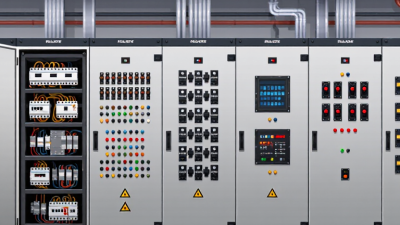
Panel quality also depends on layout. Components should remain accessible without removing unrelated parts. Wire ducts need enough capacity, while sharp bends should be avoided. I still find some designs too crowded, even when they pass initial tests. A reliable manufacturer documents wiring, testing, thermal calculations, and maintenance access before delivery.

Leading Automation Control Panel Manufacturers in China

Leading automation control panel manufacturers in China serve factories, utilities, and process plants with engineered electrical solutions. Their work begins with load analysis, control philosophy, and a clear understanding of site conditions. Experienced teams review motor ratings, heat generation, cable routes, and maintenance access before fabrication. Looks simple. Yet small oversights can delay commissioning. Reliable manufacturers use standardized drawings, traceable components, and documented inspection stages.

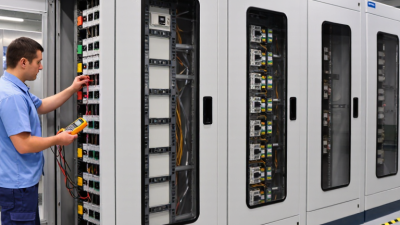
Leading suppliers in China often combine design, enclosure fabrication, wiring, programming, and factory acceptance testing under one coordinated process. This reduces handover gaps and helps customers verify functions before shipment. Technicians check terminal torque, insulation resistance, labeling, grounding, and heat management. They also simulate alarms, interlocks, emergency stops, and communication loss. That practical testing matters when a panel reaches a dusty workshop or humid production line. Manufacturers should provide wiring schedules, test records, manuals, and installation support.

However, capability should not be judged by a polished website or a low quotation alone. Some projects expose weak assumptions only after delivery. Buyers should ask about standards, inspection tools, change control, cybersecurity practices, and spare-part planning. Site experience helps, but it is not enough without disciplined documentation. Field evaluations often show that clear questions reveal more than impressive promises. A thoughtful manufacturer will admit design limits and record corrective actions. That honesty is not perfect. It is useful.

China Top Automation Control Panel Manufacturers – Leading Automation Control Panel Manufacturers in China

China’s industrial automation demand has expanded significantly, creating a strong market environment for automation control panels, electrical cabinets, PLC systems, and machine-control solutions.

The chart shows annual industrial robot installations in China from 2019 to 2023, measured in thousands of units. This is an industry-demand indicator rather than company-specific sales data.

Source: International Federation of Robotics, World Robotics reports.

Manufacturing Standards and Quality Control Practices

China Top Automation Control Panel Manufacturers

Manufacturing Standards and Quality Control Practices

Reliable control panel production begins with documented engineering, not attractive enclosures. IEC 61439 requires design verification and routine verification for low-voltage assemblies. These checks cover temperature rise, insulation, clearances, wiring, and protective circuits. ISO 9001 also supports traceability, corrective actions, and controlled procedures. The ISO Survey 2022 recorded 1,265,216 ISO 9001 certificates worldwide, showing its broad industrial acceptance. Certification still does not guarantee perfect workmanship.

A capable manufacturer should verify every incoming component against approved drawings and specifications. Operators need torque-controlled screwdrivers, calibrated meters, and clear wiring labels. During assembly, inspectors can check ferrule compression, terminal tightness, conductor routing, and grounding continuity. Small details matter. A loose terminal may create heat after months of vibration. Thermal imaging during factory acceptance testing can reveal abnormal connections before shipment. Test records should include serial numbers, instrument calibration dates, measured values, and inspector approval.

Quality control must also address software and communications. NIST SP 800-82 Revision 3, published in 2023, recommends separating industrial control networks and managing secure system access. Panels should therefore receive version-controlled programs, backup files, and documented alarm tests. A practical weakness remains common: teams may test each device but miss the complete operating sequence. Better factories simulate faults, power interruptions, sensor failures, and emergency stops. No checklist is perfect. Independent review can expose assumptions that production teams overlook.

How to Select a Suitable Chinese Panel Manufacturer

China Top Automation Control Panel Manufacturers

Selecting a suitable Chinese control panel manufacturer requires more than comparing quotations. In practice, project drawings reveal the real difference. Check enclosure material, heat dissipation, wiring quality, terminal labeling, and component traceability. The International Federation of Robotics reported 541,302 industrial robots were installed worldwide in 2023. This growth increases demand for reliable, maintainable control panels. Ask whether the manufacturer has experience with similar voltage levels, environmental conditions, and production cycles. Request wiring diagrams, inspection records, factory acceptance procedures, and photographs of completed panels. A lower price may hide weaker testing. That risk deserves attention.

Tips: Confirm compliance with IEC 60204-1, IEC 61439, or the standards required in your destination market. For North American projects, verify whether the panel construction follows the applicable certification pathway. Ask for enclosure protection ratings, temperature calculations, short-circuit ratings, and emergency-stop documentation. The IEC 60529 IP rating should match the installation environment, not simply appear on a quotation. Also review communication ability. A clear English technical response can prevent costly wiring changes.

The UNIDO Industrial Development Report highlights the growing importance of digitalized and resilient manufacturing systems. Therefore, evaluate whether the supplier can support remote diagnostics, spare-part identification, and software version control. Request a sample inspection before mass production. Check ferrule crimping, wire bending radius, grounding, and cabinet cleanliness. Factory audits are useful, but they are not perfect. One unresolved detail can still become a field failure. A trial order may provide more evidence than impressive presentation materials.

Scroll to Top