Top Types of PLC Control Systems Explained
In today's industrial landscape, the importance of PLC control systems cannot be overstated. According to recent industry reports, the PLC market size is expected to reach USD 20 billion by 2025, growing at a CAGR of 6.5%. This growth reflects the increasing reliance on automation in various sectors, including manufacturing, energy, and transportation. PLC control technology offers flexible and efficient solutions, enabling industries to enhance productivity and reduce operational costs.
The versatility of PLC systems allows for their application in a myriad of environments. Industries use PLCs to control machinery, processes, and systems ranging from simple tasks to complex operations. However, not all PLC control systems are created equal. Each type of PLC offers distinct advantages and challenges. It's essential to understand these differences to make informed decisions.
While the benefits of PLC technology are clear, its integration can be challenging. Companies often struggle with system compatibility and workforce training. These obstacles can lead to delays and increased costs. To address these issues, organizations need to focus on thorough planning and implementation strategies. Understanding the various types of PLC control systems can help mitigate potential risks and boost confidence in automation efforts.

Overview of PLC Control Systems and Their Importance in Automation
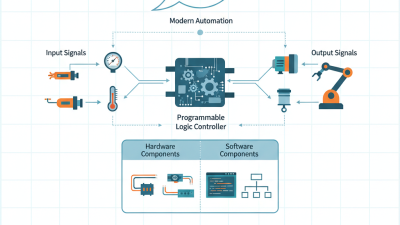
PLC control systems play a crucial role in modern automation. These systems enable industries to streamline operations and enhance productivity. They function by receiving input, processing it, and issuing control signals to machinery. The efficiency of PLCs significantly reduces human error in industrial settings.
Tips: Regularly assess your PLC setup for updates. New software can enhance performance.
Automation becomes smarter with reliable PLC systems. They allow for real-time monitoring and data collection. This capability leads to informed decision-making. However, complexities in PLC programming can pose challenges, requiring skilled personnel to troubleshoot and maintain.
Tips: Invest in training for your team. Knowledge fosters a resilient workplace.
Moreover, understanding the types of PLC systems can aid in choosing the right one for specific needs. While some systems excel in scalability, others are designed for high-speed operations. Evaluating these factors will lead to better system integration.
Types of PLC Control Systems: A Comparative Analysis
Programmable Logic Controllers (PLCs) are essential in various industrial applications. Understanding the different types of PLC control systems is crucial for maximizing efficiency.
According to a recent market analysis, the global PLC market is expected to reach $11 billion by 2027, growing at a rate of over 6% annually. This growth emphasizes the importance of selecting the right type of control system for your specific needs.
There are several common types of PLC control systems, including relay-based, computer-based, and safety PLCs.
Relay-based systems have been widely used due to their simplicity and reliability. However, they can lack flexibility and might require manual adjustments over time.
Computer-based PLCs offer greater functionality and can be programmed to handle complex tasks. Yet, they often face challenges in terms of cybersecurity and maintenance.
Safety PLCs, designed with critical operations in mind, ensure that safety standards are met. They are essential in industries like oil and gas, where failure can be catastrophic.
Yet, these systems can be more complex and costly to implement. The choice of a PLC control system depends not only on the application but also on budget and operational safety.
Understanding the pros and cons of each type allows for informed decision-making in industrial automation.
Key Components and Architecture of PLC Systems
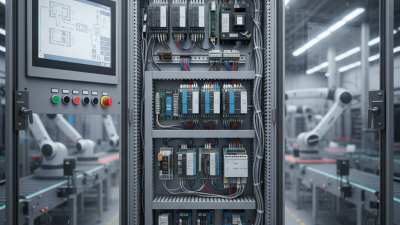
Programmable Logic Controllers (PLCs) form the backbone of modern industrial automation. These control systems consist of several essential components that work together. Key components include the CPU, input/output modules, and the programming interface. Each part plays a critical role. The CPU executes control instructions, while input/output modules manage communication with sensors and actuators.
Research from MarketsandMarkets estimates that the PLC market will reach $14 billion by 2026. This growth reflects the increasing complexity of automation processes. A well-designed PLC architecture enhances system reliability and operational efficiency. The modular design of PLCs allows for easy upgrades and repairs, simplifying maintenance in industries like manufacturing and oil and gas.
However, PLC systems can pose challenges. A poorly designed layout can lead to bottlenecks. Additionally, training staff to properly utilize these systems requires ongoing investment. Ensuring the reliability of components is vital, as failures can result in downtime. Regular assessments can help address potential weaknesses, making systems more robust and effective.
Industry Applications and Trends in PLC Technology
Programmable Logic Controllers (PLCs) have become essential in modern industry. Their versatility enables various applications, from manufacturing to process control. In factories, PLCs monitor machinery performance, detect faults, and optimize production lines. Automation in these environments enhances efficiency significantly.
Emerging trends are reshaping the landscape of PLC technology. Many companies are adopting IoT integration. This allows for real-time data collection and analysis, driving smarter decision-making. Cybersecurity concerns are also rising. Protecting PLC systems from threats remains a challenge. Organizations must prioritize safety and operational integrity.
While PLCs offer many benefits, they are not without flaws. Configuration errors can lead to significant downtime. Often, inadequate training results in suboptimal usage. Industries need to invest in continuous education for personnel. This ensures operators are well-versed in both basic and advanced PLC functionalities.
Top Types of PLC Control Systems in Industry
This chart displays the distribution of different types of PLC control systems based on their application in various industries. The data reflects the latest trends in PLC technology.
Future Developments and Innovations in PLC Control Systems
In the rapidly evolving landscape of automation, the future of PLC (Programmable Logic Controller) control systems appears promising. According to recent industry reports, the global PLC market is projected to reach approximately $13 billion by 2025, a testament to growing investments in automation technologies. Enhanced features, such as IoT (Internet of Things) integration, are driving this growth, allowing for more efficient data collection and real-time decision-making.
Tips: Consider investing in training programs for your team. Understanding IoT capabilities can significantly improve your control system performance.
Innovations in PLC technology, particularly in machine learning and AI, are transforming how industries operate. These advancements enable predictive maintenance, reducing downtime and operational costs. Research indicates that companies implementing AI-driven PLC systems experience a 25% reduction in unexpected failures. However, companies must approach these developments with caution, as reliance on automated systems can introduce vulnerabilities.
Tips: Regularly review your control systems' security measures. Stay informed about potential risks and technologies that can mitigate them.