Why Choose Control Automation Systems for Your Business?

Control automation can help a business coordinate machines, sensors, and software with greater consistency. A packaging line, for example, can use photoelectric sensors to detect cartons and adjust conveyor speed. This reduces repetitive manual checks and gives operators clearer information about production. The benefits are tangible. Yet automation is not a cure-all.

W. Edwards Deming, a quality-management expert whose work informs industrial improvement, observed, “A bad system will beat a good person every time.” His point matters when evaluating control automation: reliable results depend on sound processes, well-chosen equipment, and competent oversight. A poorly designed control loop can waste energy, interrupt production, or hide a developing fault. Good systems make problems easier to see. They do not remove the need for judgment.

A practical investment begins with a specific operational problem, such as inconsistent fill levels or frequent motor stoppages. Businesses should assess integration with existing equipment, cybersecurity practices, staff training, maintenance access, and the cost of downtime. The return may come through steadier throughput, improved traceability, or fewer avoidable errors—but results vary by site. That deserves attention. Even a useful system can become a burden if employees cannot diagnose alarms or source replacement parts. A careful assessment, followed by a measured pilot, helps decision-makers test performance before expanding. Automation should support people and process, not simply add another dashboard.

Why Choose Control Automation Systems for Your Business?

Understanding Control Automation Systems and How They Work

Why Choose Control Automation Systems for Your Business?

Understanding Control Automation Systems and How They Work

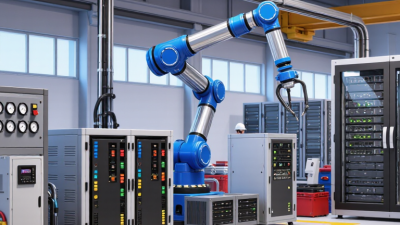
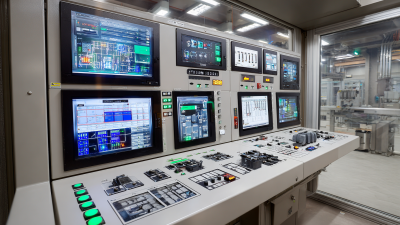
A control automation system connects sensors, controllers, software, and equipment to manage a process. Sensors measure conditions such as temperature, pressure, or conveyor speed. A programmable controller compares those readings with setpoints, then sends commands to motors, valves, or other devices. Operators can monitor the process through a screen and adjust settings when needed. The loop repeats, helping equipment respond consistently rather than relying on constant manual intervention.

The scale of industrial automation is clear. The International Federation of Robotics reported 4,281,585 industrial robots operating in factories worldwide in 2023, a 10% rise from the previous year. Robots are only one part of automation, but the figure shows how widely automated equipment is used. For a business, the value depends on fit: a system must suit the actual workflow, not just look advanced on a diagram. Even well-designed systems need careful setup. A misplaced sensor can create bad readings and unnecessary stops.

Assessing Business Needs for Automation

Why Choose Control Automation Systems for Your Business?

Assessing Business Needs for Automation

A useful automation plan starts with the work itself, not the equipment. Walk through a typical shift and note where people wait, repeat data entry, or correct avoidable errors. A paper log beside a packaging line, for example, may reveal that operators record the same temperature three times. That small detail can point to a practical improvement. Ask staff what slows them down; they often see problems that reports miss.

Then estimate the cost and risk of each bottleneck. Compare labor hours, downtime, defect rates, and maintenance needs over several months, rather than relying on one unusually busy week. Automation may help with repetitive, measurable tasks, but it can add training demands and new points of failure. Check whether existing machines can share data, whether operators can safely intervene, and who will maintain the system. Be specific. “Improve efficiency” is not a useful target; “reduce manual entry by 30 minutes per shift” is easier to evaluate.

Not every process should be automated. A task that changes often may need flexible tools—or may be better left alone for now. Pilot one workflow with clear measures and a defined review date. Include frontline employees in that review. Their feedback may expose an awkward screen or a missed exception. Plans change. That is normal, though it should be acknowledged early.

Key Benefits of Control Automation Systems

Why Choose Control Automation Systems for Your Business?

Key Benefits of Control Automation Systems

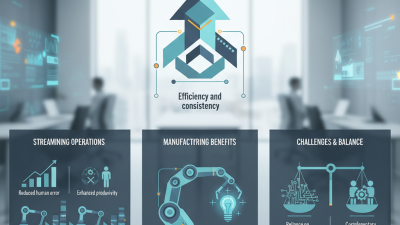
Control automation systems help businesses manage equipment and processes with greater consistency. Sensors can track temperature, pressure, or production speed, while controllers adjust settings in response. On a factory floor, this may mean fewer manual checks and quicker alerts when a machine drifts outside its normal range. Small changes matter.

Automation can also improve visibility. Operators can review live readings and spot recurring delays before they become costly interruptions. When systems are configured well, teams gain useful data for maintenance planning and resource use. That can reduce avoidable downtime, though results depend on equipment, workflow, and staff training. Automation is not a substitute for sound operating procedures.

Safety and repeatability are further benefits. Automated controls can keep processes within defined limits and reduce exposure to repetitive tasks. Still, poorly selected sensors or outdated settings can create new problems. Businesses should test controls under real working conditions, document changes, and review performance regularly. The first setup may not be the best one. A careful assessment of current processes helps identify where automation adds value—and where human judgment should remain central.

Why Choose Control Automation Systems for Your Business? — Key Benefits of Control Automation Systems

Business Benefit How Automation Helps Useful Performance Measures Where It Applies
More consistent processes Control systems execute configured sequences and setpoints consistently, reducing variation caused by manual operation. Process variability; out-of-specification rate; repeatability Manufacturing, utilities, building operations
Improved operational visibility Sensors, operator interfaces, and historical records can make process status, alarms, and trends easier to monitor. Alarm response time; data availability; time to identify a fault Production lines, facilities, process plants
Reduced avoidable downtime Alarms and equipment-condition data can help teams spot abnormal operation and schedule maintenance before some failures occur. Unplanned downtime; mean time between failures; maintenance response time Equipment-intensive operations
More efficient resource use Automatic adjustment of operating conditions can help match energy, materials, or utilities to actual process demand. Energy per unit produced; material waste; utility consumption Factories, commercial buildings, water systems
Safer, more controlled operation Interlocks, alarms, and defined operating limits can support safe procedures; they must be designed, validated, and maintained appropriately. Safety incidents; alarm frequency; procedure compliance Industrial and infrastructure systems
Scalable operations A well-planned architecture can make it easier to add equipment, monitoring points, or production capacity as requirements change. Expansion time; integration effort; capacity utilization Growing businesses and multi-site operations

Results depend on the process, system design, implementation, and ongoing maintenance. Track a baseline before deployment and compare results using consistent measurement methods.

Choosing the Right System for Your Business

Choosing a control automation system starts with the work your business actually does. Map the process from start to finish: note where staff enter data, where delays occur, and which decisions need human judgment. A packaging line may need accurate sensor feedback and quick fault alerts, while a small office may benefit more from dependable scheduling and clear reporting. The right fit depends on daily demands, not the longest feature list.

Check compatibility with existing equipment before comparing advanced functions. Ask how the system handles downtime, software updates, and unusual operating conditions. Request a practical demonstration using a task similar to your own, and confirm what training and technical support are included. Good documentation matters. So does a clear plan for backups and recovery. These details can be easy to overlook when a polished interface takes attention.

Set measurable goals, such as fewer manual entries or shorter production pauses, then estimate the costs of installation, training, and maintenance. Speak with the people who will use the system every day; their small observations often reveal hidden workflow problems. I have seen selection discussions focus too heavily on speed. That can be a mistake. A system that is difficult to adjust may create more work later, even if its initial performance looks impressive. Be honest about what is still uncertain, and test those assumptions before committing.

Implementation, Integration, and Ongoing Maintenance

Choosing control automation systems is not just a hardware decision. Implementation starts with observing real work: how operators handle changeovers, where queues form, and which alarms are often ignored. A phased rollout can limit disruption. For example, test one production cell, record cycle times, and train each shift before expanding. The U.S. Department of Energy’s Operations & Maintenance Best Practices Guide reports that predictive maintenance can reduce maintenance costs by 25–30% and equipment breakdowns by 70–75%. Those figures are potential outcomes, not guarantees. Results depend on equipment condition, data quality, and staff response.

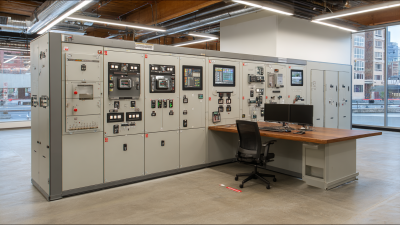
Integration deserves equal attention. Controllers, sensors, safety devices, and production software must exchange accurate data, even when equipment comes from different generations. Map signals and ownership before connecting systems; otherwise, a missing sensor value can become a misleading dashboard warning. Keep a record of configuration changes. Small detail, big impact. Maintenance should include backups, access reviews, spare-part planning, and scheduled checks of sensors and network connections. Deloitte’s 2023 Smart Manufacturing Survey found that 86% of respondents expected smart manufacturing solutions to be a primary driver of competitiveness within five years. Still, adding connectivity without clear operating procedures can create more alerts than insight. Review the system with operators after launch, and revise what does not work. That part is often underestimated.

Scroll to Top