Why Is Panel PLC Programming Important for Buyers?
For buyers comparing control panels, panel PLC programming is more than a line on a quotation. It determines how sensors, motors, alarms, and operator screens work together. A well-planned program can make a machine easier to commission, troubleshoot, and expand. A rushed one may leave unclear alarm messages, undocumented settings, or confusing handoffs between vendors. Small details matter. A technician facing a flashing fault light needs a clear clue, not a guessing game.
A practical principle for this guide comes from a fictional controls engineer, Maya Chen: “Buy the logic you can understand, test, and maintain—not just the panel that starts today.” This is an illustrative quote, not a statement from a real, independently verified expert. Buyers should ask who will write and test the code, how changes will be documented, and whether the program supports the required operating sequence. They should also confirm what happens during a sensor fault or power interruption. Those questions reveal more than a feature list.
Good panel PLC programming can reduce commissioning delays and make future changes less painful. It does not guarantee a trouble-free machine. That depends on sound electrical design, accurate requirements, careful testing, and clear communication. Buyers may also need to provide details earlier than expected. That can feel inconvenient. Yet a precise sequence of operations, realistic fault scenarios, and named acceptance criteria give the programmer something concrete to build against. The result is a better basis for comparing proposals and judging long-term support.
What Panel PLC Programming Includes
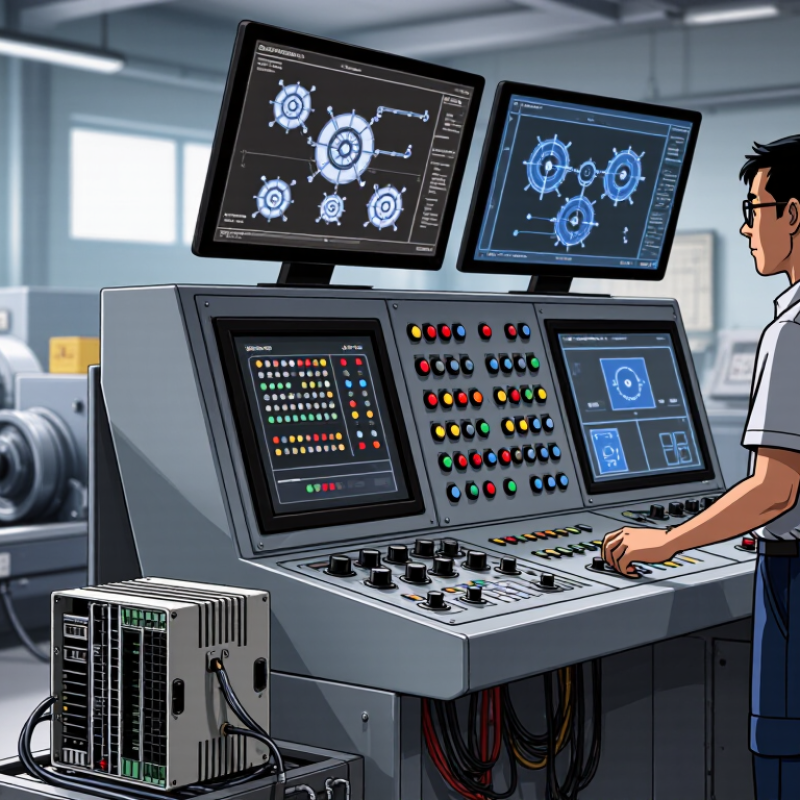
What does panel PLC programming include? It turns a machine’s operating requirements into tested control logic. The work begins with an I/O list: each sensor, pushbutton, valve, and motor receives a defined address and function. Programmers then build sequences, interlocks, timers, fault responses, and alarm conditions. Small details matter. A mislabeled input can make a real fault difficult to trace.
It also includes configuring analog signals, setting safe operating limits, and linking control tags to the panel’s operator interface. A temperature value needs correct scaling; a motor command needs feedback and clear failure behavior. The U.S. Department of Energy’s 2014 report, Improving Motor and Drive System Performance, estimates that motor-driven systems use about 68% of electricity in U.S. manufacturing. That makes dependable start, stop, and fault logic relevant to energy use, not just machine convenience.
Testing is part of the programming, not an optional finish. A technician checks I/O against drawings, simulates abnormal conditions, and verifies that alarms match what operators see. The first I/O list is rarely perfect; site changes and unclear equipment signals can expose gaps. Documented revisions, readable comments, and a backup of the final program help maintenance teams diagnose issues later. That part is often underestimated.
How PLC Programs Coordinate Panel Components
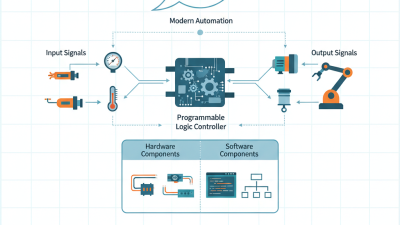
A panel PLC program connects sensors, switches, drives, and operator controls into one coordinated process. When a level sensor detects a rising tank, for example, the PLC can start a pump and update the panel display. The sequence depends on clear input and output assignments. Small mapping errors can trigger the wrong response. It happens.
Programs also define interlocks, timing, and fault behavior. A motor starter might remain disabled until a guard switch is closed and pressure reaches a set point. If a sensor signal disappears, the program can stop the affected equipment and show a specific alarm. Operators need that detail. “Fault” alone is not enough.
For buyers, the program matters because it shapes how equipment behaves during normal operation and interruptions. Ask for readable logic, labeled I/O lists, alarm descriptions, and documented set points. These make later troubleshooting less dependent on one person’s memory. Still, documentation can lag behind field changes, and no program removes the need for careful testing. During commissioning, technicians should verify each signal at the panel and test realistic fault conditions. A neat screen can look convincing. The sequence must work at the machine.
Why Programming Quality Matters to Equipment Buyers
For equipment buyers, PLC programming quality is not just a technical detail. It affects startup time, fault finding, and safe recovery after a stop. Clear tag names and consistent logic help technicians trace a failed sensor without guessing. Useful alarms identify the cause, not merely announce that something went wrong. Small details matter.
The 2024 Smart Manufacturing Survey found that 86% of manufacturing leaders expected smart manufacturing to be a primary driver of competitiveness within five years. That shift depends on reliable control systems, not just connected equipment. Well-structured PLC code makes future changes easier, such as adding a conveyor or adjusting a cycle. Poorly documented code can make a small change risky and expensive. A polished screen can still hide fragile logic.
Buyers should ask for documented program structure, alarm lists, backup procedures, and test records from factory and site acceptance. They can also request a practical fault-recovery demonstration. Watch how quickly an operator can identify a jammed photoeye and restart safely. Not every project needs elaborate code; excessive complexity can create its own maintenance burden. We should admit that. The best evidence is code technicians can understand, verify, and maintain after the integrator has left.
What Buyers Should Evaluate Before Choosing a Control Panel
Buyers should evaluate a control panel by how reliably it will run the actual process, not by enclosure size alone. Ask for the PLC program’s functional description, I/O list, alarm logic, and revision history. These documents reveal whether operators can trace a fault from a sensor to a displayed alarm. Check spare I/O, network ports, and cabinet space against likely additions. A few spare terminals matter. So does a clear wire label when a line stops at night.
The 2024 Deloitte and MAPI Smart Manufacturing and Operations Survey found that 92% of manufacturers viewed smart manufacturing as a competitiveness driver over the next three years. That makes integration worth checking: confirm communication protocols, data access, and how changes will be tested before deployment. Review electrical drawings, component ratings, cooling, and access for maintenance. Ask who owns the source code and whether backups are delivered in usable form. Request a practical acceptance test using realistic faults, not just a powered-up demonstration. The test may still miss something. That is why buyers should also ask how future edits are documented, validated, and handed over to maintenance staff.
Why Is Panel PLC Programming Important for Buyers? - What Buyers Should Evaluate Before Choosing a Control Panel
| Evaluation area | What buyers should evaluate | Why it matters | Useful evidence or questions |
|---|---|---|---|
| Control requirements | Confirm that the PLC program covers the required operating modes, sequences, interlocks, alarms, and fault responses. | A panel can be wired correctly yet fail to operate the process as intended if the control logic is incomplete or misunderstood. | Request a functional description, sequence-of-operation review, and a list of assumptions and exclusions. |
| I/O capacity and allowance | Check the planned digital and analog inputs and outputs, signal types, spare points, and any future expansion allowance. | Insufficient or unsuitable I/O can lead to redesign, extra hardware, or difficult modifications when equipment is added. | Compare the I/O list with electrical drawings and field-device specifications; clarify how spare capacity is defined. |
| Programming structure | Ask whether the program is organized into understandable routines or function blocks, with consistent tags, comments, and naming conventions. | Readable, organized code is easier to test, troubleshoot, hand over, and maintain. IEC 61131-3 describes commonly used PLC programming languages and related elements. | Request a sample program structure or documentation standard, subject to confidentiality and project terms. |
| Safety functions | Identify required safety functions, such as emergency stopping or guard interlocking, and establish whether dedicated safety-rated components are needed. | Safety functions require a suitable design and validation; standard control logic alone should not be assumed to provide a safety-rated function. | Ask for the applicable risk assessment, safety requirements, component documentation, and validation plan. Confirm requirements for the destination and application. |
| Communications and integration | Verify supported industrial networks, data exchanged with other equipment, addressing, and responsibility for integration testing. | Mismatched protocols or unclear interface responsibilities can prevent reliable communication between the panel and connected systems. | Request an interface list that names the protocol, data points, expected behavior during communication loss, and test responsibilities. |
| Alarms and diagnostics | Evaluate alarm descriptions, fault indication, operator messages, and the information available for troubleshooting. | Clear diagnostics can reduce the time needed to identify faults and help operators respond consistently. | Review an alarm list and confirm that messages describe the condition and, where appropriate, the operator action. |
| Testing and acceptance | Define how the PLC logic and panel will be tested, including normal sequences, interlocks, alarms, and agreed fault scenarios. | A documented test process helps confirm that the delivered control behavior matches agreed requirements before installation or handover. | Agree on test procedures, acceptance criteria, issue tracking, and which tests occur at the panel shop and on site. |
| Program access and backups | Clarify delivery of the final program, project files, configuration data, backups, and any access restrictions or licensing dependencies. | Without usable, current files and a clear access arrangement, future troubleshooting or modifications may be delayed. | Specify file formats, version identification, backup media or location, password handling, and ownership or usage rights in the contract. |
| Electrical and panel compliance | Confirm the standards, inspection requirements, and local regulations applicable to the panel and its intended installation. | Requirements vary by jurisdiction, equipment type, and application. Relevant references may include IEC 60204-1 for machinery electrical equipment or IEC 61439 for applicable low-voltage switchgear and controlgear assemblies. | Ask which standards and editions apply, who is responsible for conformity assessment, and what documentation will be supplied. |
| Maintainability and support | Assess documentation, troubleshooting guidance, training, change management, and availability of technical support after delivery. | A maintainable control panel can be easier to operate and adapt throughout its service life. | Confirm the handover package, training scope, response arrangements, and how program changes will be documented and version-controlled. |
How Programming Affects Installation, Maintenance, and Future Changes
Panel PLC programming affects more than whether a machine starts. It shapes how quickly an installer can connect sensors, test outputs, and trace faults. Clear input and output names help technicians match screen messages to real devices, such as a guard switch or pump motor. A documented startup sequence can also reduce commissioning delays. If logic is rushed or poorly labeled, even a simple wiring issue may take hours to find. A tidy program helps, but it cannot replace careful testing at the panel.
Tips: Ask for readable tag names, current electrical drawings, and a backup copy of the final program. Check that alarms describe the actual fault, not just a generic error. Keep a record of tested settings. Small details matter.
Maintenance becomes easier when the program is organized into understandable sections. A technician can isolate a faulty sensor or review a timer without guessing what unrelated logic does. This is especially useful during a shift change, when the person troubleshooting may not know who wrote the original code. Still, clean structure is not a guarantee; unusual machine behavior may expose assumptions that were missed during testing.
Future changes are often where programming quality shows its value. Adding a conveyor, changing a process step, or replacing a sensor can affect existing sequences. Modular logic and clear documentation make those changes easier to estimate and verify. Buyers should ask how edits will be reviewed, tested, and handed over. A program may work perfectly today and still be awkward to expand.
Why PLC Panel Programming Matters to Buyers
Illustrative relative effort scores across key lifecycle activities (1 = lower effort, 5 = higher effort).
Well-structured, documented programs can make commissioning, troubleshooting, and future modifications easier. Scores are illustrative, not measured industry benchmarks.
Related Posts
-
What is a PLC Control System and How Does it Work?
-
Top Types of PLC Control Systems Explained
-

China Top PLC Programming Solutions for Global Buyers?
-
7 Tips for Choosing the Right PLC Control Panel
-
How to Master PLC Controller Programming for Industrial Automation
-

Enhancing Industrial Efficiency: The Future of PLC Control Systems in Smart Manufacturing