What Are the Best Electrical Control Systems in 2026?
In 2026, choosing among electrical control systems means matching equipment to the work, not chasing the newest label. A packaging line may need fast PLC control, clear operator screens, and reliable fault alerts. A water-treatment facility may depend more on process coordination, remote monitoring, and carefully documented alarms. The right choice starts with the real operating conditions. Small details matter. A readable wiring diagram, spare I/O capacity, and accessible replacement parts can save hours during maintenance. Yet a feature-rich system can still be a poor fit if technicians cannot support it.
This guide compares common control architectures, including PLC-based systems, distributed control systems, and SCADA-connected setups. It considers safety functions, interoperability, cybersecurity practices, lifecycle costs, and the skills needed to operate each option. Buyers should verify performance claims against project requirements and consult qualified engineers for site-specific design decisions. Ask for clear documentation and realistic service arrangements. There is no universal winner. A system that suits a large plant may add needless complexity to a small machine. The comparison also has limits: product specifications do not reveal every commissioning challenge, and supplier support can vary by region. The best choice is the one that performs reliably, can be maintained by the available team, and leaves room for sensible upgrades.
What Electrical Control Systems Do and Where They Are Used
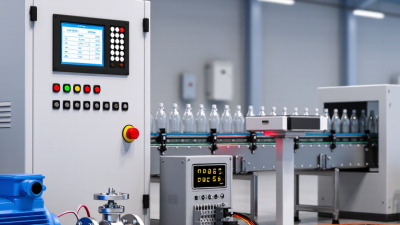
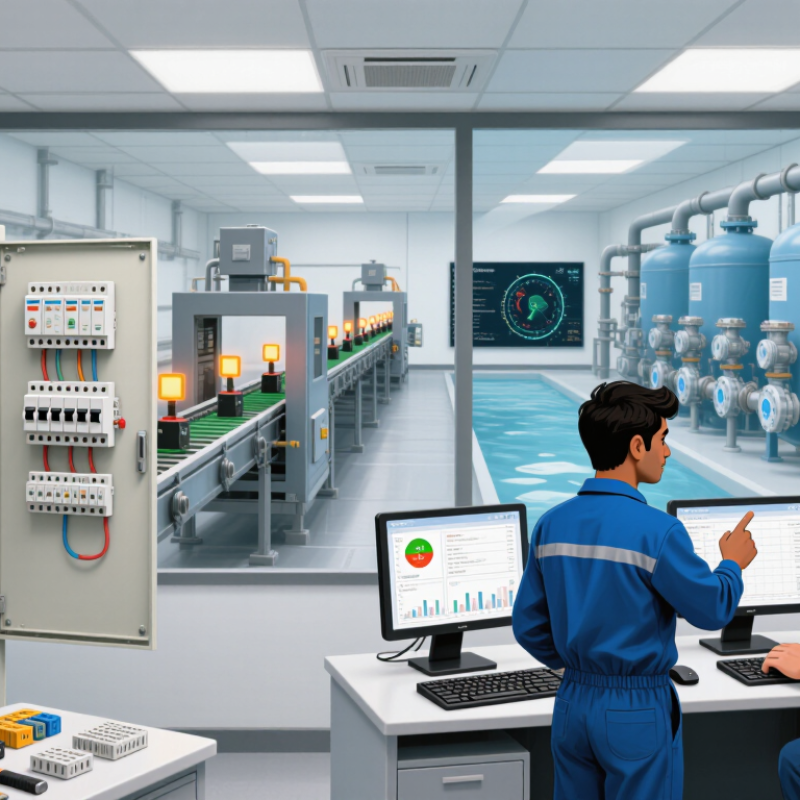
Electrical control systems coordinate the movement of electricity and equipment. Sensors report conditions such as temperature, pressure, or motor speed. Controllers compare those readings with setpoints, then send commands to switches, drives, or valves. In a workshop, that might mean starting a pump when a tank level falls and stopping it before it runs dry. The system also helps operators spot faults through alarms and status displays. Small details count.
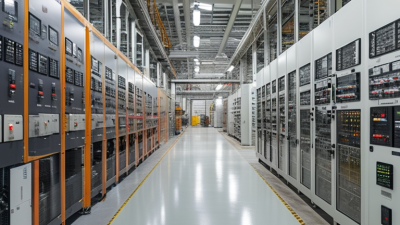
These systems appear in factories, commercial buildings, water treatment facilities, and power distribution networks. A building controller can adjust ventilation when rooms fill with people. On a production line, a programmable controller can synchronize conveyors and pause machinery when a safety guard opens. At a distribution panel, protective devices help isolate faults before they damage connected equipment. Each setting demands different response times, safety measures, and monitoring.
There is no single best system for every job in 2026. The right choice depends on the equipment, operating environment, expansion plans, and the skill of the people maintaining it. Clear wiring diagrams and labeled terminals can save hours during troubleshooting. So can testing alarms under realistic conditions, rather than assuming they work. Yet older equipment may not share data neatly with newer controls. That can complicate upgrades, and it deserves honest attention during planning.
Core Components and Common Control Architectures
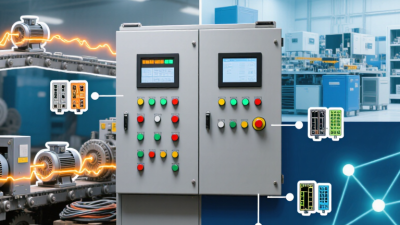
Electrical control systems combine sensing, logic, communication, and motion. Sensors measure conditions such as temperature, pressure, or position. Input/output modules carry these signals to a programmable controller or industrial computer. The controller applies configured logic, then sends commands to drives, valves, or relays. An operator interface displays alarms and process values. Each component matters, but reliable operation depends on how well they work together.
Common architectures include centralized control, distributed control, and networked systems. A centralized controller can simplify coordination in a compact machine, though a fault may affect more equipment. Distributed controllers place logic closer to the process, which can improve response and support modular expansion. Networked architectures share data across equipment, but require careful attention to communication delays, access controls, and fault handling. In practice, diagrams can look cleaner than the wiring cabinet. Commissioning should verify real signals, alarms, and safe responses—not just the design.
Tips: Label wires and terminals clearly, and keep a current I/O list. Test sensor failures and communication loss during commissioning. Small details matter. Even experienced teams can miss an alarm that appears only under unusual conditions, so review test records and revise the control description when actual behavior differs.
What Are the Best Electrical Control Systems in 2026?
Core components—controllers, sensors, actuators, power supplies, and I/O—can be arranged in PLC-based, distributed-control, or hybrid architectures. The best fit depends on the process, safety needs, scale, and maintenance requirements.
These are common nominal control-circuit voltage references, not a performance ranking: 24 VDC is widely used for industrial control and I/O, while 120 VAC and 230 VAC are common AC references in different regions. Actual designs must follow equipment specifications and applicable electrical codes.
Major Types of Electrical Control Systems in 2026
In 2026, electrical control systems commonly fall into several groups. Programmable logic controllers (PLCs) handle fast, repeatable machine tasks, such as sequencing a conveyor or stopping a pump. Distributed control systems (DCSs) coordinate continuous processes across a plant, while supervisory control and data acquisition (SCADA) systems monitor equipment across wider sites. They serve different needs. A small packaging line rarely needs the same architecture as a power station.
Protection relays and safety controllers add another layer. Relays detect abnormal electrical conditions and trigger protective actions; safety controllers manage functions such as guarded access and emergency stops. The International Energy Agency’s 2023 report, Electricity Grids and Secure Energy Transitions, says annual grid investment needs to rise from about $300 billion to over $600 billion by 2030. That expansion makes reliable monitoring and coordination increasingly important. Still, newer systems are not automatically better; legacy equipment and staff skills matter, too.
Tips: Map each process before choosing a system. Check response time, failure behavior, and how operators will see alarms. Small details matter. I would also leave room for future sensors, but avoid buying capacity the site cannot maintain. A tidy control cabinet is useful; a clear recovery plan is better.
How to Compare Systems for Safety, Performance, and Cost
The best electrical control system in 2026 is not simply the one with the fastest processor.
Compare how each design manages hazards, handles changing loads, and performs during faults. A safety review should examine emergency-stop circuits, guard interlocks, overload protection, and fault diagnostics. Ask for test records and clear wiring diagrams, not just a feature list. During commissioning, a mislabeled terminal can waste hours. Small details matter.
For performance, compare response time, input and output capacity, network compatibility, and room for future expansion. Test the system under realistic conditions, including brief power interruptions and sensor failures. Then estimate total cost: hardware, engineering, installation, training, spare parts, and downtime. A lower purchase price can hide costly support needs. Cheap can cost more. Still, a larger system is not automatically better; unused capacity can add complexity. Request a lifecycle estimate with its assumptions stated, and have a qualified engineer check safety requirements for the specific equipment and workplace.
Leading Platforms and Their Best-Fit Applications
For machine-level control, a programmable logic controller or programmable automation controller is often the practical fit. It handles interlocks, motor starters, sensors, and repeatable sequences on packaging lines or water pumps. Choose one with enough input and output capacity, clear diagnostics, and room for expansion. A maintenance technician should be able to trace a fault from the panel without decoding a maze of tags. Keep it simple.
Distributed control systems suit large, continuous processes with many coordinated loops, such as power generation or chemical production. Their operator stations can show process trends and alarms across an entire facility. A safety-rated controller is better for independent protective functions, including emergency shutdowns and guarded machinery. It should be engineered and tested separately from routine process control. That separation matters.
For precision equipment, motion-control platforms coordinate drives, encoders, and fast positioning tasks. They fit robotic cells, cutting machines, and conveyor lines where timing affects product quality. Supervisory software can add plant-wide visibility, but it does not replace dependable local control. Compare support life, cybersecurity maintenance, communication needs, and staff skills before selecting a platform. On paper, a sophisticated system may look ideal; in a real plant, its complexity can become another source of downtime. Pilot the design on one representative machine and verify recovery behavior before expanding it.