
Why Are Electrical Control Systems Important?
Why are electrical control systems important? Machines need more than power; they need reliable ways to respond. Electrical control systems connect sensors, controllers, and devices such as motors, valves, and relays. They help equipment start, stop, adjust speed, and react when conditions change. On a packaging line, a photoelectric sensor might detect a bottle and signal a motor to pause. Small actions matter.
These systems support safety, consistency, and efficient operation in factories, buildings, water facilities, and transport infrastructure. A temperature controller can keep a process within its specified range. Protective devices can help isolate faults before they cause wider damage. Controls can also make troubleshooting more methodical: technicians inspect indicators, review alarms, and trace signals instead of relying on guesswork. That can save time, though it does not make every fault easy to find.
Their value depends on sound design, correct installation, routine testing, and trained people. A poorly selected sensor or unclear wiring diagram can cause downtime rather than prevent it. Automation is not magic. Operators still need to understand what a system can—and cannot—detect. Modern controls can collect useful operating data, but data alone does not guarantee better decisions. Understanding why electrical control systems matter means looking beyond the control panel: they influence product quality, energy use, worker awareness, and the reliability of everyday services. The details vary by application. No single design fits all. That is worth remembering.
What Electrical Control Systems Are and How They Work
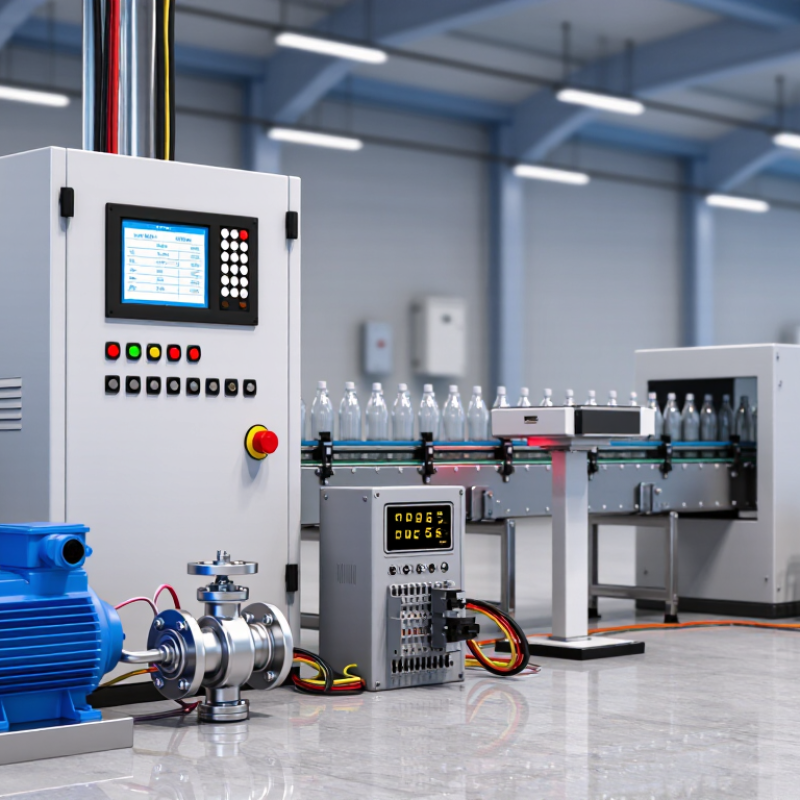
An electrical control system is a set of devices that directs how electrical equipment operates. It may start a pump, regulate a heater, or stop a conveyor when a guard is opened. The system usually has an input, a controller, and an output. A sensor or switch provides the input. A relay, timer, or programmable controller processes it. A contactor or valve then carries out the requested action.
That distinction matters. The control circuit sends instructions; a separate power circuit often supplies the motor or other load. For example, a float switch can detect a rising tank level and signal a controller. The controller energizes a contactor, which starts the pump. If the level falls, the signal changes and the pump stops. Some systems also use feedback, such as a speed sensor, to check whether equipment responded as expected.
Protection devices are part of the design, too. An overload relay can interrupt a motor circuit when current stays too high, while an emergency stop provides a direct way to halt machinery. Wiring diagrams show how these parts connect, but a tidy diagram does not guarantee tidy wiring. Labels, terminal numbers, and measured voltage should all agree during inspection. Small mismatches can cause confusing faults. Control systems vary widely, so components and settings must suit the equipment and its operating conditions.
| System Element | What It Does | How It Works | Why It Matters | Common Example |
|---|---|---|---|---|
| Sensors and input devices | Detect conditions such as temperature, pressure, position, or the presence of an object. | Convert a physical condition into an electrical signal that a controller can read. | Provide the information needed to monitor a process and make control decisions. | A temperature sensor sends a reading to a heating-system controller. |
| Controller | Processes input signals and determines what action the system should take. | Uses programmed logic, setpoints, or control algorithms to compare inputs with desired conditions. | Coordinates equipment responses consistently and can automate repeatable tasks. | A programmable logic controller (PLC) starts a pump when a level signal reaches a configured threshold. |
| Output devices and actuators | Carry out the controller's commands by changing equipment operation. | Respond to electrical output signals; examples include contactors, valves, motors, and indicator lights. | Connects control decisions to physical actions in machinery and building systems. | A motor starter switches power to a motor when commanded by the control circuit. |
| Feedback path | Reports the result of an action back to the controller. | A sensor measures the process after an output changes, allowing the controller to compare the result with the target. | Helps maintain desired conditions and detect when a process is not responding as expected. | A position sensor confirms that a powered actuator has reached its commanded position. |
| Operator interface | Allows people to view system status and, where permitted, adjust settings or issue commands. | A human-machine interface (HMI) presents information from the controller, such as readings, alarms, and operating states. | Improves visibility of the process and supports informed operation and troubleshooting. | An HMI displays pump status and a high-temperature alarm. |
| Protection and safety devices | Help reduce risks from electrical faults, overloads, or hazardous machine conditions. | Devices such as fuses, circuit breakers, overload relays, and safety circuits interrupt or prevent operation under specified conditions. | Protect people and equipment when designed, installed, and maintained for the application. | An overload relay can trip a motor circuit when sustained excessive current is detected. |
| Power and wiring | Supply electrical energy and provide paths for signals between system components. | Power circuits deliver energy to loads, while control wiring carries commands and sensor signals. | Proper circuit design and wiring support dependable operation and help separate control functions from power functions. | A control panel routes sensor signals to a controller and control outputs to field devices. |
| Overall control sequence | Combines inputs, logic, outputs, and feedback to manage a process. | The system reads conditions, applies its control logic, operates outputs, and checks the resulting feedback. | Enables coordinated, repeatable operation and helps processes maintain intended operating conditions. | A ventilation system monitors temperature and operates fans according to its control settings. |
Related Posts
-
How to Choose the Right Electrical Control Systems
-
China Top 10 Electrical Control Systems Manufacturers?
-
How to Choose Control Systems for Global Procurement in 2026?
-
Top Control Panels Trends for 2026 What Buyers Should Know
-
What is an Automation Control Panel and How Does it Work?
-
Who Are the Top Control Panel Manufacturers in China?
