What Is Motor Power and How Is It Measured?
Motor power describes the rate at which a motor converts electrical input into mechanical output. It is not the same as torque, speed, or energy consumption. A motor may deliver strong turning force at low speed, yet produce less power than a faster-running motor. The distinction matters when selecting a motor for a conveyor, pump, or workshop machine. A nameplate rating alone does not tell the whole story.
The International Energy Agency’s 2011 report, Energy-Efficient Electric Motor Systems, estimated that electric motor systems used about 46% of global electricity. That figure gives motor efficiency practical importance well beyond the factory floor. In everyday engineering, output power is commonly expressed in watts or kilowatts, and can be calculated from torque and rotational speed. Electrical input power can also be measured with suitable instruments, but it includes losses that do not become useful mechanical work. Different measurement points can therefore produce different numbers. That can be confusing.
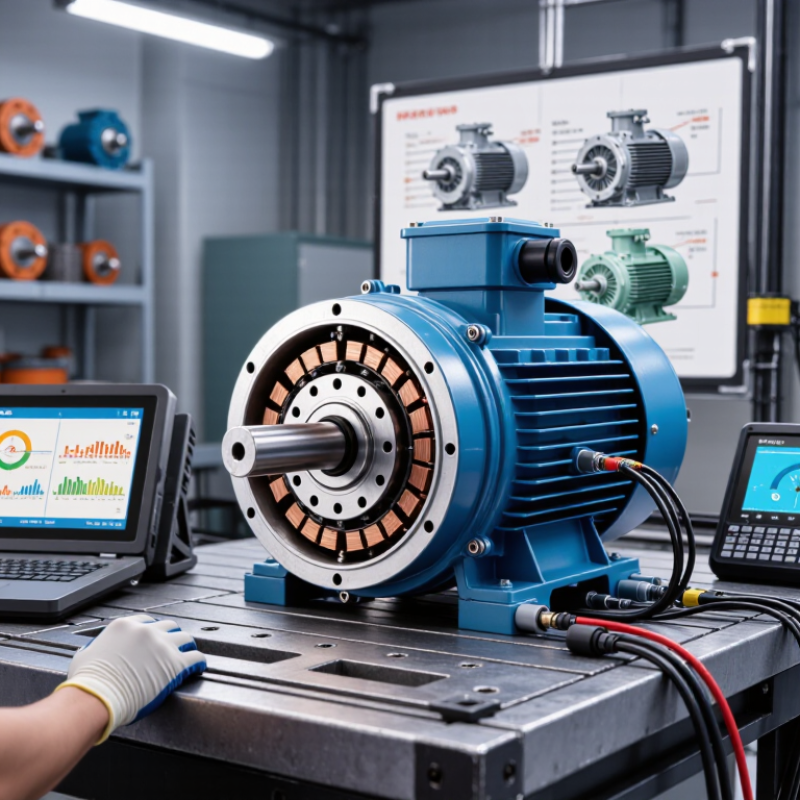
This guide explains what motor power means, how engineers measure it, and why operating conditions matter. A dynamometer, for example, can measure a motor’s torque and speed under load. The resulting reading is more informative than a no-load test, where the motor turns freely without driving a machine. Measurements also depend on supply voltage, temperature, and the instrument used. These details are easy to overlook. Even a precise reading is only useful when its conditions are recorded. The goal is not to chase the largest rating, but to understand the power a motor can reliably deliver in its actual application.
Definition and Role of Motor Power
Motor power describes how quickly a motor converts energy into useful mechanical work. It is commonly expressed in watts or kilowatts. Horsepower is another traditional unit. In practical terms, power helps a motor overcome resistance and keep equipment moving at a required speed. The motor’s role depends on both torque and rotational speed. Torque creates turning force, while speed shows how fast that force acts. A higher power rating does not automatically mean better performance. The load matters.
Mechanical power
Engineers usually calculate mechanical power from torque and speed:
P = T × ω
Here, torque is measured in newton-metres, and angular speed is measured in radians per second. A dynamometer applies a controlled load and records these values during operation. Technicians may also measure electrical input with voltage and current instruments. Efficiency equals output power divided by input power, multiplied by 100. These figures can differ because of heat, friction, and electrical losses.
Motor power guides equipment selection, cable sizing, cooling requirements, and expected operating capacity. A motor with insufficient power may overheat or stall under continuous load. An oversized motor can waste energy and increase purchase and maintenance costs. Published ratings often assume specific voltage, frequency, temperature, and duty conditions. Measurements vary. Voltage drops, worn bearings, high altitude, and poor ventilation can change the result. I would treat a rating as a reference, not a promise. That distinction is easy to miss.
How Motor Power Relates to Torque and Speed
Motor power describes how quickly a motor transfers mechanical energy. It depends on both torque and rotational speed: power equals torque multiplied by angular speed. In practical units, kilowatts equal torque in newton-metres multiplied by revolutions per minute, then divided by 9,550. The relationship is easy to miss. A motor turning slowly can produce substantial torque yet deliver modest power; a faster motor may deliver similar power with less torque.
Consider a conveyor motor turning a loaded roller. If its speed falls while the load resists rotation, available power changes even when torque remains high. Engineers measure torque with a dynamometer and record rotational speed with a tachometer; together, these readings give shaft output power. Electrical input power is different, because losses in windings, bearings, and cooling reduce the useful mechanical output. The U.S. Department of Energy’s 2014 “United States Industrial Electric Motor Systems Market Opportunities Assessment” estimated that motor systems used about 68% of electricity consumed by U.S. manufacturing. That figure underscores why efficiency and operating load matter, not just the nameplate rating. Still, a single test does not describe every real operating condition. Temperature, voltage, and changing loads can shift the result. It’s worth checking more than once.
Units Used to Express Motor Power
Motor power describes how quickly a motor converts energy into useful mechanical work. The standard unit is the watt (W), with 1,000 watts equal to 1 kilowatt (kW). Small motors may be rated in watts, while industrial motors often use kilowatts. Horsepower (hp) is another common unit; one mechanical horsepower is about 746 watts. Always check which horsepower definition a specification uses, since unit conventions can vary.
Power can also be calculated from torque and rotational speed. For a rotating shaft, power depends on how much twisting force it delivers and how fast it turns. A motor producing steady torque at higher revolutions per minute generally delivers more mechanical power. Be careful when comparing electrical input power with shaft output power. They are not identical: some energy becomes heat, sound, or vibration. A nameplate may list rated output, while a meter reading shows electrical consumption. Small distinction, big consequences.
Tips: Read the unit and rating conditions on the motor nameplate. Compare motors at similar voltage, speed, and duty cycle. If measuring output, use suitable torque and speed instruments, and follow the instrument instructions. One imperfect habit is treating peak power as continuous power; it can make a motor seem stronger than it is during normal operation.
Methods for Measuring Motor Power
Motor power describes how quickly a motor converts electrical energy into mechanical work. Measuring it accurately requires more than reading the nameplate. The U.S. Department of Energy reports that motor-driven equipment consumes about 68% of electricity used in U.S. industrial facilities. Small measurement errors can therefore distort major energy decisions.
The most direct method measures shaft output. A dynamometer applies a controlled load while sensors record torque and rotational speed. Mechanical power equals torque multiplied by angular velocity. For example, 20 newton-metres at 1,500 revolutions per minute produces about 3.14 kilowatts. This method is reliable, but it requires careful alignment, stable temperature, and calibrated instruments. IEC 60034-2-1 provides recognized procedures for determining motor losses and efficiency.
Electrical input power offers a practical field method. A three-phase power analyzer records voltage, current, power factor, and real power. Technicians then calculate efficiency by dividing mechanical output by electrical input. Clamp meters alone are insufficient because they may ignore phase relationships and waveform distortion. The IEA’s Energy Efficiency 2018 analysis identifies electric motor systems as responsible for roughly half of global electricity consumption, making dependable testing important. My field measurements are never perfectly clean. Cable losses, fluctuating loads, and sensor placement can change the result. A tidy number can still be wrong, so repeated tests and uncertainty notes should accompany every report.
Motor Power: Mechanical Output at Different Speeds
Mechanical power is calculated using P = τ × 2π × n / 60, where τ is torque in newton-metres and n is speed in revolutions per minute. For an example motor operating at a constant torque of 10 N·m, the calculated output is about 628 W at 600 rpm, 942 W at 900 rpm, and 1,257 W at 1,200 rpm. In practice, torque and speed are measured to determine mechanical output power.